

Why Is Solar Grating Becoming a Smarter Choice for Modern Solar Projects?
2026-01-05
When I first started evaluating ground-mounted solar solutions for long-term outdoor use, I quickly realized that durability, drainage, and maintenance access mattered just as much as panel efficiency. That was also when I came across TOPFence in a very organic way through industry discussions around fencing and structural support systems. As more projects demanded stable walkways and protective surfaces around photovoltaic installations, Solar Grating naturally entered the conversation as a practical answer rather than a trendy add-on.
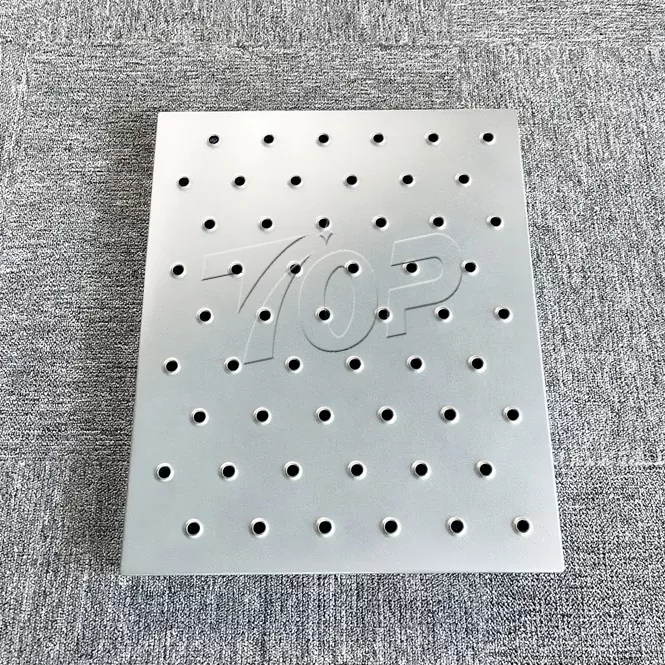
What Problems Does Solar Grating Actually Solve on Solar Sites?
From my experience, solar plants face a set of recurring challenges that are often underestimated during early planning stages. These issues directly affect safety, operational costs, and long-term performance.
- How do we maintain safe walkways in muddy or uneven terrain?
- How can we protect cables and foundations without blocking water flow?
- How do we reduce maintenance downtime while meeting local safety standards?
This is exactly where Solar Grating proves its value. By allowing natural drainage while providing a stable walking surface, it addresses these concerns without adding unnecessary complexity to the system design.
Why Do I Consider Solar Grating a Structural Advantage Rather Than an Accessory?
One misconception I often see is treating grating as a secondary component. In reality, a well-designed Solar Grating system functions as part of the site’s infrastructure, not just surface coverage.
| Project Need | Traditional Solution | Solar Grating Approach |
|---|---|---|
| Drainage control | Concrete or compacted soil | Open-grid design allows water flow |
| Maintenance access | Temporary walk boards | Permanent, non-slip walking surface |
| Cable protection | Buried or exposed routing | Protected yet accessible layout |
| Long-term durability | Frequent surface repair | Corrosion-resistant materials |
By integrating Solar Grating early in the design phase, I have seen projects reduce post-installation modifications and unexpected maintenance costs.
How Does Solar Grating Improve Safety Without Complicating Installation?
Safety compliance is not just about meeting regulations on paper. On-site conditions change with weather, foot traffic, and equipment movement. A reliable Solar Grating system enhances safety in ways that are often immediately noticeable.
- Anti-slip surfaces reduce accident risks during rain or snow
- Even load distribution supports maintenance equipment
- Clear visibility of ground conditions through open-grid design
What stands out to me is how these benefits come without requiring heavy foundations or complex civil work, which keeps installation timelines realistic.
Why Is Material Choice Critical When Selecting Solar Grating?
Not all grating performs equally in outdoor solar environments. Exposure to UV, moisture, and temperature fluctuations demands materials that maintain structural integrity over time.
| Material Factor | Why It Matters | Impact on Solar Projects |
|---|---|---|
| Corrosion resistance | Prevents structural weakening | Longer service life |
| Load-bearing capacity | Supports foot and equipment traffic | Improved maintenance efficiency |
| UV stability | Reduces material degradation | Consistent performance over years |
Choosing the right Solar Grating is not about overengineering but about aligning material performance with real operational demands.
How Can Solar Grating Support Long-Term Cost Control?
From a cost perspective, I always look beyond initial purchase price. A well-planned Solar Grating system contributes to predictable maintenance schedules and fewer site disruptions.
- Reduced need for surface repairs
- Lower risk of water-related damage
- Faster and safer inspection routines
Over the lifecycle of a solar installation, these factors translate into measurable operational savings rather than abstract promises.
Is Solar Grating the Right Choice for Your Next Solar Project?
If your project involves ground-mounted systems, frequent maintenance access, or challenging terrain, I strongly believe Solar Grating deserves serious consideration. It is not just about walking surfaces, but about building a site that works efficiently year after year.
If you are currently evaluating solutions or need guidance tailored to your application, feel free to contact us and share your project details. A thoughtful discussion early on can make all the difference in achieving a safer, more efficient solar installation.