
Why Is Ground Mount Solar Racking Becoming the First Choice for Stable and Scalable Solar Projects?
2026-01-27
When I first started working closely with utility-scale and commercial solar projects, I noticed a recurring concern shared by developers and EPC contractors alike: how to ensure long-term structural stability without overcomplicating installation or driving up maintenance costs. That practical question is exactly what led me to deeper collaboration with Weifang Xiamen Topfencesolar Co., Ltd., a company that has steadily refined its approach to Ground Mount Solar Racking through real-world engineering feedback rather than theory alone.
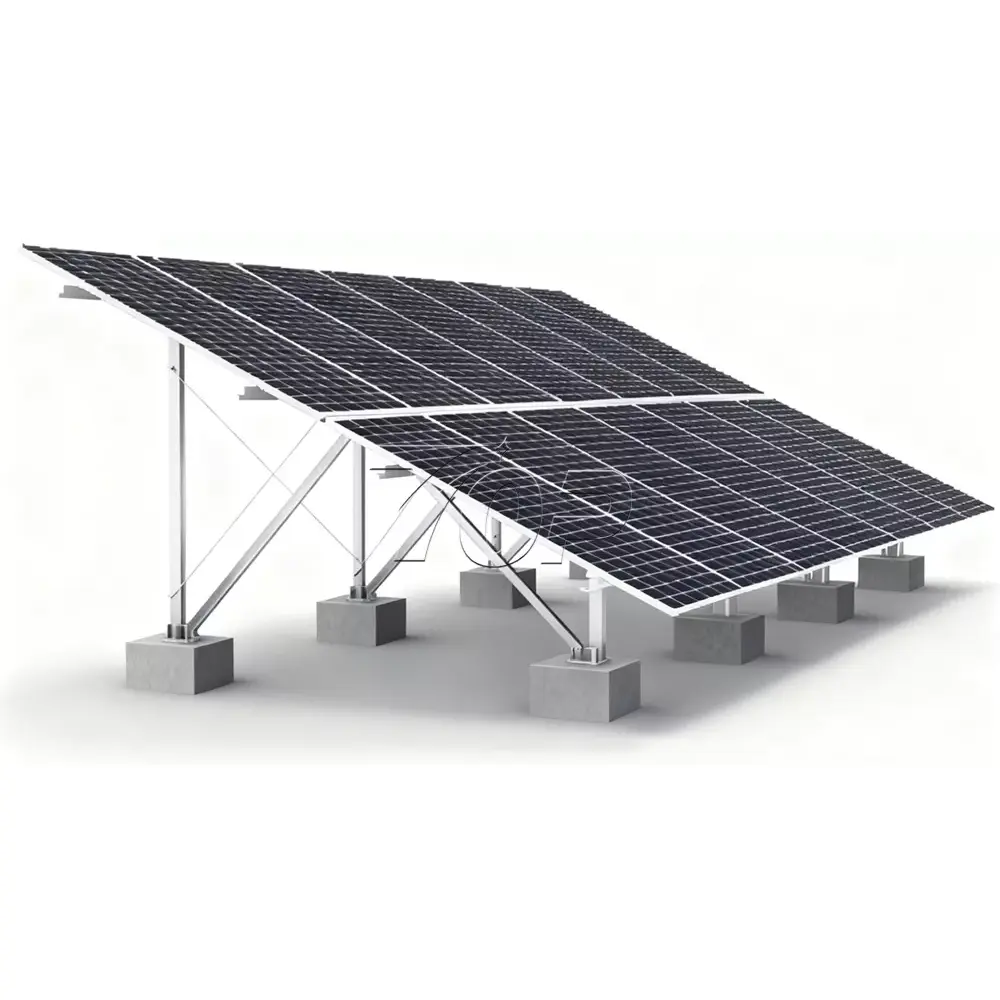
Instead of focusing on flashy specifications, I have found that well-designed Ground Mount Solar Racking systems solve very tangible problems such as uneven terrain, soil variability, and long-term corrosion exposure. These are the issues that actually affect energy output and return on investment.
What Problems Do Ground-Based Solar Installations Commonly Face?
From my experience on project planning calls, ground-mounted systems often raise more questions than rooftop solutions. The challenges usually appear long before the panels are installed.
- How to maintain alignment on sloped or irregular land?
- How to adapt structures to different soil conditions without overengineering?
- How to balance strength with material efficiency?
- How to reduce long-term maintenance caused by corrosion or loose fasteners?
A properly engineered Ground Mount Solar Racking system addresses these concerns upfront, rather than leaving them to be fixed after commissioning.
How Does Ground Mount Solar Racking Improve Long-Term Project Reliability?
One reason I consistently recommend Ground Mount Solar Racking is its inherent structural flexibility. Unlike roof systems that rely on existing buildings, ground-mounted racking is designed from the ground up with environmental forces in mind.
By adjusting foundation options such as ground screws, driven piles, or concrete bases, these systems maintain load balance under wind, snow, and seismic stress. This adaptability reduces the likelihood of structural fatigue over decades of operation.
| Key Factor | Project Impact |
|---|---|
| Adjustable tilt angles | Improves energy yield across seasonal sun paths |
| Modular structure | Simplifies expansion and phased installation |
| Corrosion-resistant materials | Reduces maintenance frequency and lifecycle cost |
| Flexible foundation options | Adapts to varied soil and site conditions |
Why Does Installation Efficiency Matter More Than Ever?
I have learned that installation speed is not just about saving labor hours. Faster and more predictable installation timelines directly reduce project risk. With Ground Mount Solar Racking, standardized components and pre-engineered connections help crews avoid on-site improvisation.
This consistency becomes especially valuable in large-scale projects where delays can affect grid connection schedules. Systems developed with installer feedback in mind often require fewer tools and less rework, which keeps projects moving forward smoothly.
How Does Ground Mount Solar Racking Support Scalable Solar Growth?
Many developers I speak with are already thinking beyond their current project. Scalability is a recurring theme. A well-planned Ground Mount Solar Racking system allows additional rows or capacity upgrades without redesigning the entire layout.
This forward-looking approach aligns with long-term energy strategies, especially for utility-scale farms and commercial sites planning phased investments.
- Expandable layouts without structural redesign
- Compatibility with different module sizes
- Ease of maintenance during future upgrades
What Should Buyers Look for When Evaluating Ground Mount Solar Racking?
Based on project feedback, I always suggest focusing on practical indicators rather than marketing language. A reliable Ground Mount Solar Racking solution should demonstrate tested load calculations, clear installation documentation, and consistent material quality.
Companies like Weifang Xiamen Topfencesolar Co., Ltd. stand out by refining designs through field performance, not just laboratory assumptions. That mindset often translates into fewer surprises once the system is deployed.
Is Ground Mount Solar Racking the Right Choice for Your Next Project?
If your project involves open land, long-term operation, or future capacity expansion, Ground Mount Solar Racking offers structural freedom that rooftop systems simply cannot match. From my perspective, it provides a balanced combination of durability, adaptability, and cost control.
If you are evaluating options or need guidance tailored to your site conditions, I strongly recommend reaching out directly. Contact us today to discuss your project requirements, request technical details, or explore customized solutions that can support your solar investment with confidence.