

Why Is a Solar Fridge a Smart Choice for Off-Grid Living and Energy-Saving Applications?
2026-10-21
A reliable refrigeration solution is essential for keeping food fresh, protecting temperature-sensitive products, and supporting everyday life. However, in remote areas, outdoor environments, and locations with unstable electricity supplies, conventional refrigerators may be inconvenient or expensive to operate. A Solar Fridge offers a practical alternative by using solar energy to support refrigeration, helping users reduce dependence on grid electricity while maintaining convenient cooling performance.
For households, outdoor enthusiasts, off-grid property owners, and commercial buyers, choosing the right solar refrigerator can improve energy flexibility and long-term usability. NINGBO FOSSIL ENERGY TECHNOLOGY CO., LTD. recognizes the growing demand for solar-powered appliances and energy-efficient solutions that meet diverse application needs. Understanding how a Solar Fridge works, what benefits it offers, and which features matter most can help buyers make a more informed purchasing decision.
What Is a Solar Fridge and How Does It Work?
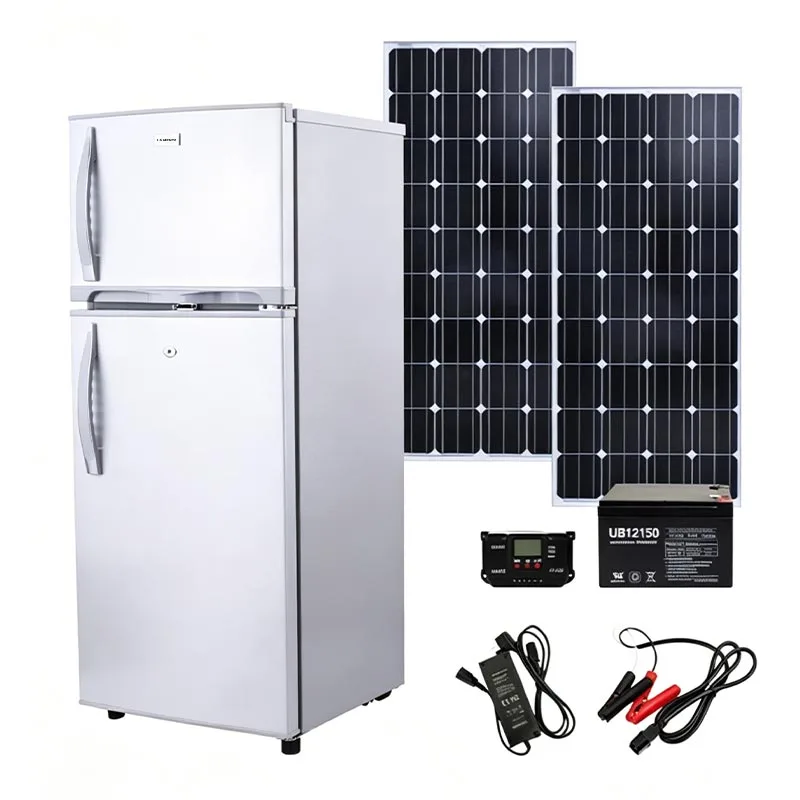
A Solar Fridge is a refrigerator designed to operate using electricity generated by solar panels. Depending on the system configuration, it may receive power directly from a solar installation or work with a battery, charge controller, and other compatible power components.
The solar panels convert sunlight into electrical energy. A suitable controller regulates the power supply, while an optional battery stores excess electricity for use at night or during periods of reduced sunlight. The refrigerator's cooling system then removes heat from the interior to maintain the required temperature.
Many solar refrigerators use DC power and energy-efficient compressors, although specific configurations vary by model. Some systems also support AC power or automatic switching between available power sources.
Key Components of a Solar Fridge System
-
Solar panels: Convert sunlight into usable electrical energy.
-
Battery storage: Supplies stored energy when solar generation is insufficient, if included.
-
Charge controller: Manages charging and helps protect compatible batteries.
-
Cooling system: Maintains the internal temperature needed for food and beverage storage.
-
Insulation: Reduces heat transfer and helps the refrigerator maintain its temperature efficiently.
A well-matched system considers the refrigerator's daily energy consumption, local sunlight conditions, battery capacity, and expected usage. These factors are essential for reliable operation throughout the day and night.
Why Is a Solar Fridge Important for Modern Energy Needs?
As more users look for practical ways to reduce electricity consumption and improve energy independence, solar refrigeration is becoming an attractive option for selected applications.
1. Reduce Dependence on Grid Electricity
A Solar Fridge can use energy generated on-site rather than relying entirely on conventional electricity. This is particularly useful for cabins, rural homes, remote facilities, and other locations where connecting to the grid is difficult or costly.
When the solar system is correctly sized, users can make better use of available sunlight and reduce the amount of electricity purchased from the grid.
2. Support More Flexible Refrigeration
Traditional refrigerators depend on a stable electrical supply. Solar-powered alternatives can provide another option for locations with limited infrastructure or frequent power interruptions.
With appropriate energy storage and system design, a Solar Fridge can continue operating when sunlight is unavailable. Actual operating time depends on battery capacity, weather, ambient temperature, and refrigeration demand.
3. Help Reduce Environmental Impact
Solar energy is renewable and can reduce reliance on electricity generated from fossil fuels. When a Solar Fridge replaces part of a conventional electricity load, it may help lower associated carbon emissions.
Its overall environmental impact also depends on the efficiency of the refrigerator, the source of backup electricity, battery lifespan, and the management of equipment at the end of its service life.
What Benefits Can a Solar Fridge Deliver in Daily Use?
The practical value of a Solar Fridge extends beyond using renewable energy. Its advantages can be especially noticeable in environments where flexibility, energy availability, and operating costs are important.
Energy-Efficient Cooling
Many solar refrigerators are designed around low-voltage DC systems and efficient cooling components. Combined with suitable insulation, these features can help reduce energy demand and make better use of the available solar power.
Buyers should compare actual energy consumption data rather than relying on rated power alone. A refrigerator with a lower rated wattage does not automatically consume less energy over a full day.
Convenient Off-Grid Operation
A Solar Fridge can support refrigeration in locations without a dependable grid connection. Depending on capacity and design, it may be suitable for storing fresh food, drinks, and other products requiring controlled cooling.
Portable models can also serve outdoor activities, while larger units may suit residential or commercial applications.
Potential Long-Term Operating Savings
Solar energy can reduce grid electricity consumption, potentially lowering ongoing operating costs. However, buyers should consider the initial cost of the refrigerator, solar panels, batteries, installation, and maintenance.
A realistic cost assessment compares the total system investment with expected energy savings over its service life.
Solar Fridge vs. Conventional Refrigerator: Which Is Better?
The right choice depends on the installation environment, available power sources, budget, and daily refrigeration requirements.
| Comparison Factor | Solar Fridge | Conventional Refrigerator |
|---|---|---|
| Primary energy source | Solar electricity, with compatible backup options where available | Usually grid electricity |
| Off-grid suitability | Well suited to appropriately designed off-grid systems | Generally requires a reliable power supply |
| Initial system cost | May be higher when panels and batteries are required | Usually lower if existing household wiring is available |
| Operating expenses | Can reduce grid electricity costs | Depends on electricity prices and efficiency |
| Installation | May require solar-system planning | Usually simpler where power outlets are available |
| Best applications | Remote sites, cabins, camping, off-grid properties | Homes, offices, and buildings with reliable electricity |
A Solar Fridge is not automatically the better option for every household. Where grid electricity is stable and affordable, a high-efficiency conventional refrigerator may be more economical. In remote environments, however, solar refrigeration can offer greater flexibility and reduce dependence on external power infrastructure.
Where Can a Solar Fridge Be Used?
The versatility of solar refrigeration makes it suitable for a range of residential, outdoor, and commercial settings.
Residential and Off-Grid Properties
Remote homes, rural properties, cabins, and holiday houses can use solar refrigerators to maintain access to fresh food without depending entirely on grid electricity.
Camping, RVs, and Outdoor Activities
Portable solar-compatible refrigerators can provide convenient food and beverage storage during road trips, camping, and outdoor recreation. Users should confirm that the model supports the vehicle's power system and the intended operating conditions.
Remote Commercial Facilities
Construction sites, agricultural facilities, field stations, and other remote workplaces may benefit from solar-powered refrigeration where conventional power access is limited.
Small Businesses and Special Applications
Depending on their temperature range and storage capacity, solar refrigerators may support small retail operations, mobile businesses, or selected temperature-sensitive storage needs. Medical and pharmaceutical applications require equipment specifically designed and validated for those purposes.
How to Choose the Right Solar Fridge for Your Needs
Selecting a suitable model involves more than comparing appearance and purchase price. Buyers should assess the complete refrigeration system before placing an order.
Consider the following checklist:
-
Capacity: Select a storage volume that matches the number of users and expected daily demand.
-
Energy consumption: Check daily energy use, preferably expressed in kilowatt-hours per 24 hours under stated test conditions.
-
Power compatibility: Confirm the input voltage, AC/DC compatibility, and connection requirements.
-
Cooling performance: Check the required refrigerator and freezer temperatures, if both functions are needed.
-
Solar panel capacity: Match solar generation to the refrigerator's energy demand and local sunlight conditions.
-
Battery storage: Estimate the energy needed overnight and during cloudy weather.
-
Climate conditions: Consider ambient temperatures, ventilation, insulation, and installation location.
-
Maintenance and support: Review warranty terms, spare-part availability, and technical service options.
For commercial buyers, it is also important to confirm product specifications, packaging requirements, order quantities, and delivery arrangements before finalizing a procurement plan.
How Can NINGBO FOSSIL ENERGY TECHNOLOGY CO., LTD. Support Your Solar Energy Needs?
Choosing the right solar-powered appliance starts with understanding the intended application and matching the equipment to its operating environment. NINGBO FOSSIL ENERGY TECHNOLOGY CO., LTD. focuses on solar energy solutions and understands the importance of balancing energy efficiency, practical functionality, and application requirements.
For buyers exploring solar refrigeration, a clear specification review can help identify the most suitable configuration. Capacity, power input, expected daily consumption, solar panel sizing, and battery requirements should all be evaluated together rather than as separate purchasing decisions.
Whether you are sourcing equipment for an off-grid property, outdoor use, or a commercial project, defining your operating requirements in advance can help simplify product selection and improve system compatibility.
Conclusion
A Solar Fridge offers a practical way to combine refrigeration with renewable energy, particularly in locations where grid electricity is expensive, unreliable, or unavailable. Its benefits may include lower dependence on conventional electricity, flexible installation options, and potential long-term operating savings.
The best results come from choosing a refrigerator with appropriate capacity, efficient cooling performance, and a properly matched solar power system. By evaluating real energy consumption and local operating conditions, buyers can make decisions based on performance rather than assumptions.
NINGBO FOSSIL ENERGY TECHNOLOGY CO., LTD. welcomes inquiries from customers interested in solar energy solutions. Contact us to discuss your project requirements, explore suitable product options, and take the next step toward a more flexible and energy-conscious refrigeration solution.