

Why Is a Metal Roof Bracket the Smart Choice for Long Term Roof Mounting?
2026-01-19
When I first started evaluating mounting solutions for metal roofing projects, I quickly realized that not all brackets are created equal. In real installations, factors like wind load, water leakage, and long term maintenance costs matter far more than catalog specifications. That is exactly why I began paying closer attention to Metal Roof Bracket solutions and why Topfencesolar naturally entered my field of view during project research. Their approach aligns with what installers and project owners actually care about on site rather than just what looks good on paper.
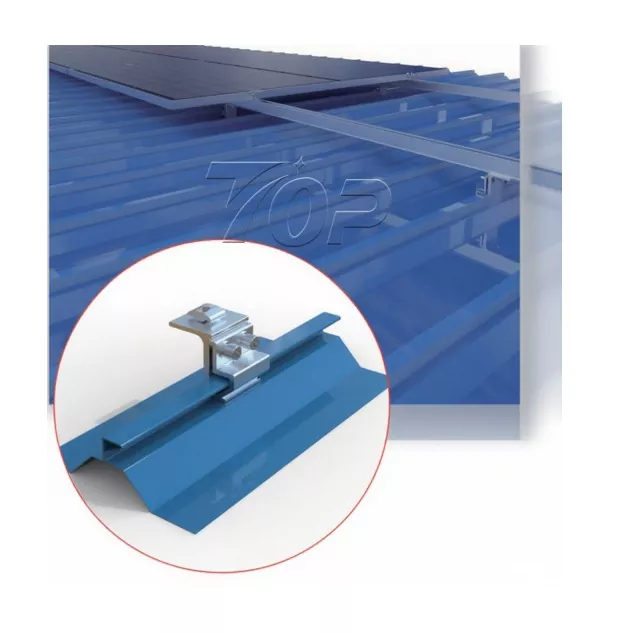
What Problems Do Installers Face Without a Reliable Metal Roof Bracket?
From my experience, most issues on metal roofs come from poorly matched mounting systems. Without a well designed Metal Roof Bracket, installers often struggle with alignment errors, inconsistent load distribution, and unexpected roof penetration risks. These problems may not show up immediately, but over time they lead to leaks, corrosion, or even structural failure.
- Unstable fixation under strong wind conditions
- Excessive roof drilling that compromises waterproofing
- Limited compatibility with different metal roof profiles
- Higher labor time due to complicated installation steps
A properly engineered Metal Roof Bracket directly addresses these pain points by simplifying installation while improving long term reliability.
How Does a Metal Roof Bracket Improve Structural Performance?
One of the biggest advantages I have observed is how a Metal Roof Bracket distributes mechanical loads across the roof structure. Instead of concentrating stress on a single point, a well designed bracket spreads forces more evenly, which is critical for both residential and commercial roofs exposed to changing weather conditions.
| Performance Aspect | Without Proper Bracket | With Metal Roof Bracket |
|---|---|---|
| Wind resistance | Localized stress points | Balanced load distribution |
| Waterproof integrity | High leakage risk | Sealed and controlled penetration |
| Installation accuracy | Manual adjustments required | Pre engineered positioning |
| Service life | Frequent maintenance | Reduced long term upkeep |
This performance consistency is exactly why I consider a Metal Roof Bracket an essential component rather than an optional accessory.
Why Does Material Quality Matter in a Metal Roof Bracket?
In real world conditions, material choice determines whether a bracket lasts five years or twenty. Corrosion resistance, tensile strength, and surface treatment all play a role. I pay close attention to how a Metal Roof Bracket is manufactured because inferior materials quickly show wear, especially in coastal or high humidity environments.
- Corrosion resistant coatings extend service life
- High strength alloys improve load bearing capacity
- Precision machining ensures consistent fit
These factors reduce replacement cycles and protect the overall roofing system from hidden failures.
How Can a Metal Roof Bracket Reduce Installation Time and Cost?
From an installer’s perspective, efficiency on site directly impacts profitability. A thoughtfully designed Metal Roof Bracket minimizes measuring errors and repetitive adjustments. I have seen installation time drop significantly when brackets are compatible with common metal roof profiles and require fewer tools.
Less time on the roof also means lower labor costs and fewer safety risks. Over multiple projects, these savings add up quickly, making the initial choice of bracket a strategic decision rather than a minor detail.
Is a Metal Roof Bracket Suitable for Different Project Scales?
Whether the project involves a small residential installation or a large scale commercial system, flexibility matters. A versatile Metal Roof Bracket adapts to various roof geometries without compromising stability. This scalability is especially valuable for contractors managing diverse project portfolios.
Instead of stocking multiple mounting solutions, a consistent bracket system simplifies procurement and reduces inventory pressure.
Why Should You Contact Us About the Right Metal Roof Bracket Solution?
Choosing the right Metal Roof Bracket is not just about specifications; it is about matching real project conditions with proven performance. If you are planning a metal roof installation and want a solution that balances durability, efficiency, and long term value, I strongly recommend discussing your requirements with experienced professionals.
If you are ready to improve your mounting strategy and avoid common installation issues, feel free to contact us for detailed product guidance or to request a quotation. A well chosen bracket today can save you years of maintenance tomorrow.