

Why Does Mesh Fence Become the Smart Choice for Modern Security Projects?
2026-02-26
When clients first reach out to me about perimeter security, they usually describe the same frustrations—rusted panels, unstable posts, poor visibility, or fencing systems that simply don’t last. Over the past few years, I’ve seen how Xiamen Topfencesolar Co., Ltd. gradually introduced more advanced production lines and quality control systems, allowing us to refine what a reliable Mesh Fence should truly offer. Instead of treating fencing as a basic barrier, we approach Mesh Fence as a long-term security solution that balances durability, visibility, cost control, and ease of installation.
I’ve worked with contractors, distributors, and project owners who need fencing that performs under real-world conditions—coastal corrosion, industrial vibration, high-traffic public areas, or agricultural environments. In those cases, a properly engineered Mesh Fence often becomes the most practical and efficient answer.
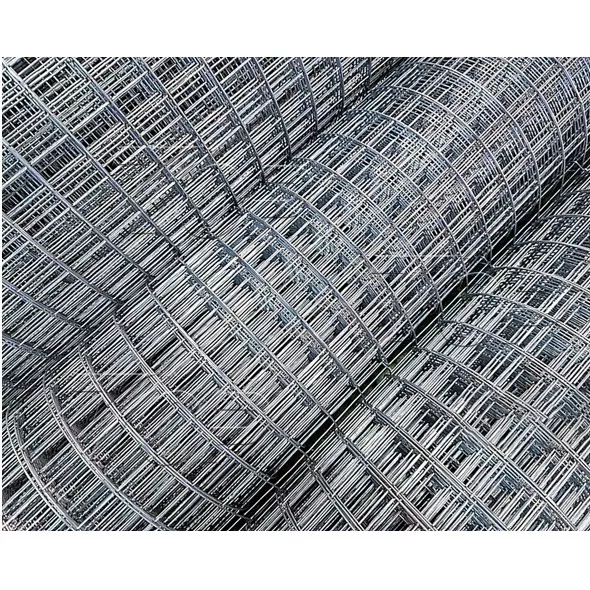
What Problems Do Buyers Usually Face When Choosing a Mesh Fence?
Before selecting a Mesh Fence, many customers tell me they struggle with:
- Frequent maintenance due to rust or coating failure
- Weak weld points that compromise structural stability
- Complicated installation that increases labor costs
- Poor supplier communication or inconsistent quality batches
- Fencing designs that block visibility and reduce security efficiency
From my experience, most of these issues stem from inconsistent raw materials, insufficient surface treatment, or lack of standardized production processes. That’s why I always emphasize manufacturing control as much as product design.
How Does a High-Quality Mesh Fence Improve Security and Cost Efficiency?
A well-designed Mesh Fence does more than mark a boundary. It reinforces site management while keeping long-term costs predictable. I like to break it down into measurable advantages:
- Clear visibility for surveillance and lighting systems
- Rigid welded wire structure that resists deformation
- Hot-dip galvanized and powder-coated finishes for corrosion resistance
- Modular panel system that simplifies transport and installation
- Customizable heights and mesh sizes for different applications
Instead of overselling performance, I focus on how these features translate into savings. Lower maintenance means fewer repainting cycles. Strong weld integrity reduces replacement frequency. Consistent coating thickness prevents early rusting in humid or coastal environments.
Which Technical Parameters Should You Evaluate Before Purchasing?
When I discuss specifications with project engineers, we usually compare core parameters in a structured way:
| Specification Item | Common Options | Practical Impact |
| Wire Diameter | 3.0mm – 6.0mm | Determines panel strength and anti-impact capacity |
| Mesh Opening | 50x200mm, 50x100mm | Affects visibility and security density |
| Surface Treatment | Hot-dip Galvanized + Powder Coated | Improves corrosion resistance and lifespan |
| Post Type | Square Post, Peach Post | Impacts structural stability and aesthetic preference |
| Panel Height | 1.2m – 3.0m | Adapts to residential, commercial, or industrial use |
I always recommend matching these parameters with the project environment rather than choosing based on price alone. For example, coastal areas demand stronger anti-corrosion treatment, while logistics warehouses may prioritize higher panels for enhanced perimeter control.
Where Can Mesh Fence Be Applied Most Effectively?
In my projects, I’ve seen Mesh Fence successfully installed in:
- Industrial plants and warehouses
- Solar farms and energy facilities
- Residential communities
- Public parks and schools
- Highway and infrastructure protection zones
Each application requires subtle adjustments. For solar farms, I often suggest reinforced posts and anti-climb mesh spacing. For residential areas, aesthetic coating colors and smooth panel finishing become more important. The flexibility of Mesh Fence makes it adaptable without sacrificing structural integrity.
Why Does Manufacturing Control Matter More Than Marketing Claims?
From my perspective, reliable fencing comes from disciplined production rather than promotional language. At Xiamen Topfencesolar Co., Ltd., internal quality inspections cover raw material tensile strength, weld consistency, and coating adhesion testing. That consistency ensures every batch of Mesh Fence panels meets the same structural standard.
I’ve noticed that when suppliers invest in automated welding lines and standardized coating thickness control, customers experience fewer on-site surprises. That predictability is what distributors value most when managing large-scale orders.
How Can the Right Mesh Fence Reduce Long-Term Project Risk?
Security infrastructure is rarely replaced every year. Once installed, it is expected to function reliably for a decade or longer. Choosing a durable Mesh Fence reduces:
- Unexpected repair budgets
- Operational downtime
- Safety risks from panel failure
- Negative perception from end users
When I calculate total lifecycle cost with clients, the slightly higher upfront investment in quality materials often proves more economical than repeated low-cost replacements.
Are You Ready to Upgrade Your Perimeter Protection Strategy?
If you are comparing fencing options for your next project, I encourage you to evaluate more than just the unit price. A professionally manufactured Mesh Fence delivers stability, visibility, and long-term value that basic fencing systems cannot match.
If you would like detailed specifications, customized drawings, or a project quotation, please feel free to contact us today. Share your project requirements with our team at Xiamen Topfencesolar Co., Ltd., and let us help you select the most suitable Mesh Fence solution for your market. We look forward to your inquiry and building a reliable partnership.