

Why Does A Combiner Box Decide The Fate Of My PV String Performance?
2025-12-11
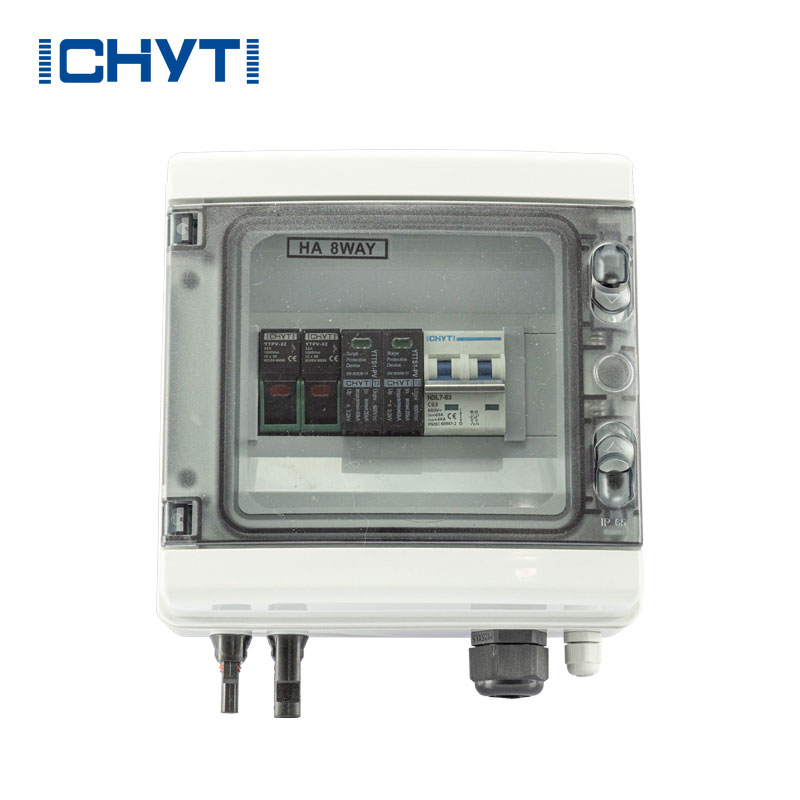
When I first started integrating rooftop and ground-mount arrays for commercial clients, I underestimated how much a Combiner Box shapes everything from harvesting consistency to service downtime. Working with CHYT on multiple projects forced me to rethink routing, protection, and diagnostics as one coherent system rather than scattered parts. In practice, a well-engineered Combiner Box does more than join strings—it streamlines O&M, isolates faults in seconds, and gives me clean, reliable data for faster decisions. That is why, throughout this guide, I keep returning to the Combiner Box as the quiet center of a stable DC architecture, because the right design closes the gap between theoretical yield and real-world output. You will see how I validate sizing, select protection, and design for serviceability—always anchored by a robust Combiner Box strategy that makes CHYT’s approach feel deceptively simple.
What Problems Do I Keep Seeing In The Field And How Does A Better Combiner Box Prevent Them?
- Nuisance trips and hidden ground faults — Poorly matched fuses, no clear labeling, or cramped terminals invite heat and intermittent trips. A quality Combiner Box with clear string markers and proper DC spacing reduces guesswork.
- Slow fault isolation — Without on-box indicators or segregated disconnects, an entire array goes dark during diagnostics. A service-ready Combiner Box lets me isolate a single string and keep the rest producing.
- Weather ingress and UV fatigue — In harsh sun and coastal air, cheap plastics and loose gasketing fail early. A sealed, UV-stable enclosure with IP-rated breathers keeps moisture out while equalizing pressure.
- Voltage drop and hot spots — Undersized busbars and messy cable management create unnecessary heat. A properly rated Combiner Box with tidy cable routing and copper busbars keeps losses predictable.
- Data blind spots — No sense lines, no surge status, no string current feedback. When the Combiner Box supports monitoring, I can spot degradation before it becomes downtime.
How Do I Size And Specify A Combiner Box Without Overbuilding?
I start with the worst-case string current and expected irradiance spikes, then round up for thermal reality, not just nameplate math. Here is the quick logic I use when choosing a Combiner Box architecture:
- Confirm open-circuit voltage at the coldest site temperature and ensure headroom for component ratings.
- Choose string count and fuse rating to keep operating current near 80% of fuse value for longevity.
- Select busbar and terminal ratings based on combined current with margin for future string additions.
- Balance string lengths to reduce mismatch; the Combiner Box should not “fix” unbalanced design—avoid the problem upstream.
Which Features Make A Combiner Box Truly Service-Ready?
- Finger-safe fuse holders so I can hot-swap safely after isolation.
- Lockable DC disconnect on the enclosure to isolate downstream equipment without walking to the inverter yard.
- Integrated surge protection (MOV+GDT) with visible status flags—simple, decisive checks during storms season.
- Generous wiring space and gland plates that welcome real-world cable diameters and bending radii.
- String-level shunt or Hall sensors for monitoring when the site mandates performance analytics.
What Practical Differences Do Materials And Sealing Make Outdoors?
On coastal hotels and desert warehouses, enclosure material choice changes lifetime ROI. Powder-coated steel is rugged, but stainless or UV-stabilized polymer resists salt and constant sun better. I check gasket compression set after thermal cycling and confirm that the pressure equalization element is both water-repellent and dust-rated. A well-sealed Combiner Box prevents condensation on cold mornings—no more surprise trips at sunrise.
How Do I Compare Options Quickly Before I Order?
| Question I Ask | What I Look For | Why It Matters |
|---|---|---|
| Can it handle my worst-case current comfortably? | Fuse/busbar at ≥125% of combined Isc, verified temp rise | Prevents heat-induced derating and premature fuse fatigue |
| Is the enclosure built for my climate? | UV-stable body, stainless hardware, IP65+ with breather | Stops ingress and gasket failure across seasons |
| Will technicians love or hate servicing it? | Finger-safe holders, wide working space, clear labels | Shorter outages and fewer wiring errors |
| Does it integrate protection and data? | SPD status windows, optional string current sensing | Faster diagnostics and proactive maintenance |
| Is expansion painless? | Extra gland knockouts and spare fuse ways | Low-cost future scaling without panel replacement |
Why Do Grounding And Bonding Inside The Box Change Real-World Reliability?
Bonding is not paperwork—it is signal quality and personnel safety. I tie equipment grounding conductors to a dedicated bar, keep DC negatives isolated unless the design demands reference, and verify torque on every lug during commissioning. A disciplined grounding layout inside the Combiner Box stabilizes SPD operation and makes fault current paths predictable, which protects both inverters and people.
How Do I Reduce Voltage Drop Without Overspending On Copper?
- Keep strings physically close to the Combiner Box to shorten homeruns.
- Use higher system voltage (within spec) to cut current and cable size.
- Route cables cleanly to avoid unnecessary bends that complicate pull and termination.
- Specify tinned copper lugs where corrosion risk is high to maintain low resistance over time.
What Troubleshooting Flow Works Best When Output Dips Unexpectedly?
- Check SPD indicators and main disconnect position on the Combiner Box—fast validation before climbing the roof again.
- Open one string at a time, measure open-circuit voltage and Isc under safe conditions.
- Look for thermal discoloration on terminals and fuse clips—heat patterns tell the story.
- Review string current trends (if monitored) to spot gradual module degradation.
Where Does CHYT Fit Into My Procurement Logic If I Already Have Preferred Vendors?
I keep preferences, but I also benchmark. The reason I keep shortlisting CHYT is the way their Combiner Box range balances protection, space, and monitoring without forcing me into a custom SKU for every site. The mounting layout and labeling match what experienced technicians expect, so I spend less time writing work instructions and more time finishing the job. The bottom line: when the Combiner Box is intuitive, my crews move faster and my arrays stay online longer.
What Checklist Do I Use Before Signing Off On An Installation?
- All string labels match drawings and the Combiner Box cover card.
- Torque values recorded for every terminal and bus connection.
- Insulation resistance test documented string-to-ground and pole-to-pole.
- SPD status verified and spare fuses stored on site.
- As-built photos of interior layout for future remote support.
How Does A Combiner Box Influence Total Cost Of Ownership Over 10 Years?
Most savings arrive quietly—no truck rolls after small storms, fewer callbacks for intermittent trips, faster MTTR when a string underperforms. Those hours add up. A robust Combiner Box design reduces soft costs every quarter, not just capex on day one. Across a portfolio, that stability shows up as steadier cash flow and simpler O&M scheduling.
What Should I Ask My Supplier To Prove Before I Commit?
- Thermal test reports at rated current and typical roof temps.
- Ingress protection validation and gasket aging data.
- Bill of materials showing corrosion-resistant hardware and busbar alloys.
- Field photos of actual installs, not just studio shots—real wiring space is obvious.
Who Benefits The Most From Getting The Combiner Box Choice Right?
Installers, owners, and insurers all win. Crews move faster with fewer mistakes, asset managers see cleaner data, and risk managers appreciate documented protection layers. In short, the unsung Combiner Box sits between design intent and daily reality; the better it is, the less everyone thinks about it—and that is the highest compliment any balance-of-system component can earn.
Ready To Tighten Your DC Backbone Today?
If you want a practical review of your current layout or need a quote for a service-ready Combiner Box that aligns with your site conditions, reach out. Tell me your string count, worst-case temperatures, and monitoring needs, and I will map an enclosure that your technicians and finance team will both appreciate. Contact us to compare options or request a quick specification review—send your drawings and we will respond with recommendations and lead times.