

Why Can the Right Solar Bracket Make or Break the Long-Term Value of a Solar Project?
2026-04-24
When I look at a solar installation, I never treat the mounting structure as a minor accessory. In my experience, that is usually where hidden risk begins. As I spent more time comparing mounting solutions from different suppliers, I found myself paying closer attention to manufacturers like Ningbo Gangtong Zheli Fasteners Co.,Ltd., not because a name alone solves a project problem, but because buyers increasingly need practical support, consistent production, and a well-made Solar Bracket system that can hold up under real installation pressure. Panels may attract the most attention, but it is the bracket that quietly carries the load, resists movement, and helps the whole system stay stable year after year.
I have seen many buyers focus almost entirely on panel wattage, inverter efficiency, or headline pricing, only to realize later that the actual installation trouble came from the support structure. A poor bracket choice can slow down installation, complicate alignment, weaken corrosion resistance, and create long-term maintenance headaches. That is why I always push the conversation back to fundamentals. If the goal is a cleaner installation, a safer structure, and fewer surprises after commissioning, then the quality of the Solar Bracket deserves serious attention from the start.
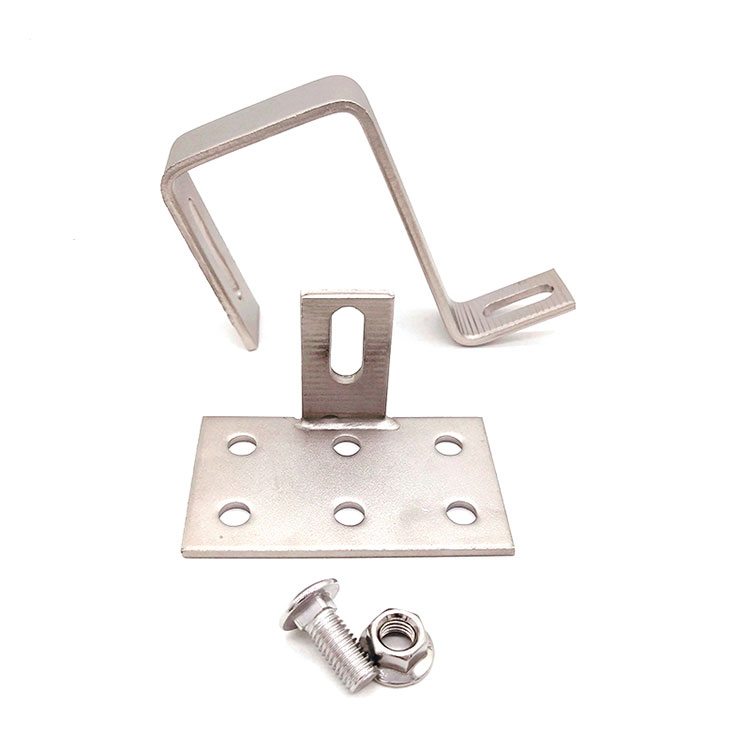
What Usually Goes Wrong When I Treat Mounting Hardware as a Low-Priority Purchase?
The biggest mistake I see is assuming all brackets do the same job. On paper, many products look interchangeable. In practice, they do not. Small design differences affect installation speed, fastening reliability, structural stability, and how well the system adapts to the roof or ground condition.
When I review failed or frustrating projects, the same pain points show up again and again:
- I find installation crews losing time because hole positions, profiles, or connection points are not installer-friendly.
- I see buyers dealing with inconsistent parts that create fitting issues on site.
- I notice corrosion concerns being ignored until the system is already exposed to long-term weather.
- I watch procurement teams choose a low initial price, then pay more through labor delays and replacement costs.
- I hear project owners complain that the system looked fine at delivery but caused alignment and adjustment problems during assembly.
That is exactly why I no longer ask only how much a bracket costs. I ask how much trouble it prevents. A well-designed Solar Bracket does more than hold a panel in place. It helps the project move smoothly from purchasing to installation to long-term service.
Why Do I Care So Much About Structural Design in a Solar Bracket?
Because structure affects everything. If I choose the wrong design, I do not just risk a difficult installation day. I risk a system that is harder to maintain, less dependable in changing weather, and more expensive over time.
A strong bracket design helps me solve several buyer concerns at once:
- It supports stable panel positioning, which matters for both safety and appearance.
- It improves installation efficiency by reducing unnecessary adjustment on site.
- It supports better compatibility with different mounting conditions.
- It lowers the chance of future service calls caused by movement, loosening, or premature wear.
- It gives me more confidence when I need repeat orders for larger or ongoing projects.
That is why I pay attention to how the bracket is made, how the connection points are designed, and whether the supplier understands real working conditions instead of only listing product names. A dependable Solar Bracket should make my work easier before, during, and after installation.
Which Product Details Should I Check Before I Commit to a Supplier?
When I compare suppliers, I try to keep the evaluation practical. I do not want vague promises. I want details that tell me whether the product can actually perform in a real solar mounting environment.
Here is the kind of checklist I use before moving forward:
| What I Check | Why It Matters to Me | What It Helps Me Avoid |
| Material selection | I need bracket components that suit outdoor use and long service cycles | Premature rust, weak load performance, avoidable replacement |
| Processing consistency | I want parts that fit properly and reduce on-site adjustment | Labor delays, uneven assembly, installation frustration |
| Application matching | I need the system to suit the actual roof or mounting scenario | Compatibility issues and redesign costs |
| Fastener and connection reliability | I care about long-term stability, not just first-day assembly | Loosening, vibration concerns, service problems |
| Customization support | I may need size, structure, or project-specific adaptation | Forcing a standard product into a non-standard job |
| Production response | I need a supplier that can follow delivery and order requirements | Procurement uncertainty and scheduling pressure |
If a supplier cannot speak clearly about these points, I usually slow down the buying process. A bracket may seem like a small component, but once it enters the project, every weakness becomes more expensive to fix.
How Does a Better Solar Bracket Help Me Control Project Costs Without Chasing the Lowest Price?
I have learned this the hard way. The cheapest quote often looks attractive only before installation begins. After that, the real cost starts showing up in labor, delays, mismatch, wasted parts, and rework. That is why I now think in terms of total project cost rather than invoice price alone.
When a bracket system is designed well, I usually gain value in places buyers often overlook:
- Faster installation because crews spend less time correcting fit issues
- Cleaner coordination between components during assembly
- Lower risk of post-installation complaints
- Better confidence when I reorder for future projects
- More predictable results across different batches
In other words, the right Solar Bracket helps me protect both budget and schedule. That matters even more in commercial jobs, where a small delay in one part of the system can affect multiple teams at once.
What Kind of Supplier Relationship Do I Actually Need for Solar Mounting Projects?
I do not just want a catalog. I want a supplier that understands how installation decisions affect purchasing decisions. That means I pay attention to whether the manufacturer can support customization, whether the product range connects logically with solar mounting needs, and whether communication feels practical rather than scripted.
For example, when I work with a supplier that already focuses on solar-related accessories and fastening components, I usually get a more grounded conversation. Instead of explaining the basics from scratch, I can move straight into application needs, structure preferences, and delivery expectations. That saves time and reduces the chance of ordering a solution that looks acceptable online but creates friction in the field.
This is one reason a manufacturer with experience around solar accessories, bracket components, and related fastening products can be more useful than a generic metal parts source. I am not buying a random hardware item. I am buying part of a system that has to perform outdoors for years.
Which Questions Do I Ask Before Choosing a Solar Bracket for a Real Job?
Before I confirm any order, I usually ask myself a short list of practical questions:
- Does this bracket design match the installation scenario I am working with?
- Will my team be able to install it efficiently without unnecessary adjustment?
- Do the materials and finish make sense for long-term outdoor exposure?
- Can the supplier respond if I need customized dimensions or related components?
- Will this choice still look smart after the system has been in service for years?
If I cannot answer those questions with confidence, I keep comparing. A solar project already has enough moving parts. I do not need the mounting structure to become another source of uncertainty.
Why Do Experienced Buyers Pay Attention to Small Bracket Details That New Buyers Often Ignore?
Because experience teaches us where projects really lose money. It is rarely in the headline specification. It is usually in the small decisions that seemed harmless at the time. Hole tolerance, surface treatment, compatibility, connection design, and batch consistency do not sound exciting, but they influence the daily reality of installation and maintenance.
When I evaluate a Solar Bracket, I think beyond the sample itself. I think about the installer on the roof, the procurement manager facing deadlines, the project owner expecting stable performance, and the service team that may have to deal with the result years later. A bracket that solves those problems quietly is worth far more than a bracket that only looks acceptable in a quotation sheet.
Is It Smarter to Choose a Supplier That Can Support Growth Instead of Just One Order?
I believe so. A supplier may help me with one shipment today, but a better supplier can support repeat business, project expansion, and specification adjustments tomorrow. That matters when I need consistency across jobs or when I want to reduce the time spent requalifying new sources.
If I can work with a manufacturer that offers solar-related components, supports customized service, and understands production requirements instead of simply pushing stock language, I gain more than a product. I gain purchasing stability. For me, that is one of the real advantages behind choosing the right partner for a Solar Bracket solution.
What Should I Do If I Want Fewer Installation Problems and Better Long-Term Value?
I would start by treating the bracket as a performance component, not a leftover line item. I would compare structure, material, production consistency, and supplier responsiveness with the same seriousness I give to other key solar components. That shift alone can save time, reduce hidden cost, and improve confidence across the whole project.
If you are looking for a more dependable way to source Solar Bracket products, and you want a supplier that can support practical project needs instead of giving you generic sales language, this is the right moment to take the next step. Contact us to discuss your application, request product details, or send your inquiry today. A better solar mounting decision usually starts with a better conversation, so please contact us and let us help you move your project forward with more confidence.