

Why Are Solar Spot Lights Becoming the Preferred Outdoor Lighting Choice?
2025-11-24
Solar spot lights have rapidly become a dominant choice for homeowners, commercial properties, and landscape designers seeking efficient, low-maintenance, and eco-friendly illumination. As more regions prioritize energy savings and sustainable infrastructure, solar lighting technology continues to evolve in brightness, durability, and intelligent control.
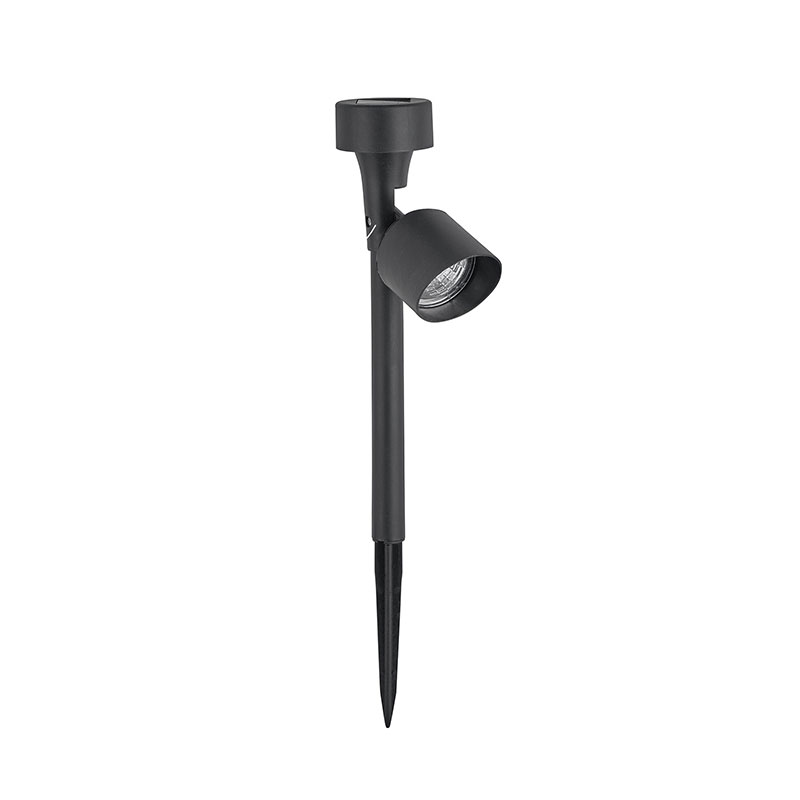
Solar spot lights operate by converting sunlight into stored energy through photovoltaic panels. The stored energy powers high-lumen LED beams designed to highlight architectural features, trees, signage, pathways, flags, and security zones. As a result, these lights play dual roles—both functional and decorative—delivering enhanced visibility, safety, and curb appeal without wiring or electricity bills.
This editorial is organized into four major sections:
-
What solar spot lights are and how they work
-
Why solar spot lights provide significant advantages in outdoor lighting
-
How product specifications determine quality, performance, and longevity
-
Future trends shaping the next generation of solar spotlight systems
Together, these sections form a complete, detailed, and highly practical guide to understanding the value and application of solar spot lighting.
What Exactly Are Solar Spot Lights and How Do They Work?
Solar spot lights are compact lighting fixtures powered by integrated or external solar panels. They are engineered to project intense, focused beams of light for highlighting objects or illuminating specific outdoor areas. Their core components include a solar panel, rechargeable battery, LED light head, optical lens, and control circuitry.
How Solar Spot Lights Operate Step-by-Step
-
Sunlight absorption – The solar panel collects solar energy.
-
Energy conversion – Photovoltaic cells convert sunlight into electrical energy.
-
Battery storage – A lithium or Ni-MH battery stores the converted power.
-
Automatic lighting control – At dusk, built-in sensors activate the LEDs.
-
High-intensity illumination – The lights emit focused beams for up to 8–12 hours depending on battery capacity and panel efficiency.
-
Recharge cycle – The next day, charging begins automatically.
Why Solar Spot Lights Are More Advanced Today
Modern solar spot lights benefit from significant advancements including:
-
Higher-efficiency monocrystalline solar panels
-
High-lumen LEDs with low energy consumption
-
Powerful lithium-ion batteries enabling longer runtime
-
Adjustable angles for customized lighting direction
-
Smart controls such as dimming, timing, and motion activation
These improvements allow solar spot lights to outperform older models, delivering stronger brightness, longer service life, and more consistent year-round performance.
Key Product Parameters (Example Specifications)
To illustrate the professional-grade engineering behind modern solar spot lights, the table below summarizes typical premium product parameters:
| Parameter | Specification |
|---|---|
| Solar Panel | 5.5V / 2.5W Monocrystalline |
| Battery Capacity | 3.7V / 2200–5200mAh Lithium-ion |
| LED Brightness | 600–1200 lumens |
| Color Temperature | 2700K–6500K (Warm to Cool White) |
| Lighting Modes | High / Medium / Low or Motion Sensor Mode |
| Runtime | 8–12 hours on a full charge |
| Charging Time | 5–7 hours in direct sunlight |
| Waterproof Rating | IP65–IP67 outdoor protection |
| Material | ABS+PC / Aluminum Alloy |
| Beam Angle | 90°–120° adjustable |
| Installation | Ground stake or wall-mount |
These specifications demonstrate the factors influencing performance—from brightness and battery size to weather resistance and build materials.
Why Are Solar Spot Lights So Widely Used and What Unique Advantages Do They Offer?
Understanding why solar spot lights are rapidly gaining popularity requires examining the deeper motivations behind their adoption. The following sections highlight the most impactful benefits driving their widespread use.
Why Solar Spot Lights Enhance Safety and Security
Outdoor illumination reduces dark zones, improving visibility around homes, pathways, garages, gardens, and commercial premises. Bright LEDs with focused beams help deter unwanted activity and allow clearer nighttime navigation.
Why Solar Spot Lights Reduce Costs and Maintenance
Solar spot lights require:
-
No electrical wiring
-
No professional installation fees
-
No ongoing electricity consumption
This makes them ideal for cost-conscious property owners or locations with limited access to wiring infrastructure.
What Makes Solar Spot Lights Environmentally Friendly?
Their energy source—sunlight—is renewable and clean. By replacing wired lights with solar lighting, properties reduce carbon emissions and energy waste.
How Solar Spot Lights Improve Aesthetic Appeal
They are widely used to accentuate:
-
Trees, shrubs, and garden features
-
Building facades and architectural shapes
-
Signage, statues, and landscape structures
-
Pathways, yards, driveways, and water features
The adjustable beam direction allows precise lighting effects tailored to each design.
Why Durability Matters
Outdoor lights face rain, heat, dust, snow, and impact. Therefore, a high IP rating (IP65 or higher) ensures long service life and reliable operation under diverse environmental conditions.
How Intelligent Features Enhance User Convenience
Modern solar spot lights often include:
-
Automatic on/off sensors
-
Multi-mode brightness control
-
Motion detection for security
-
Extended runtime through power-saving modes
These smart features support energy conservation while adding flexibility for different lighting needs.
How Do Product Specifications Influence Real Performance and What Trends Define the Future of Solar Spot Lights?
As solar technology advances, performance differences between products become increasingly noticeable. Understanding the technical details ensures better selection and long-term value.
How Solar Panel Quality Affects Charging Efficiency
Monocrystalline panels charge faster and perform better in low-light conditions compared to polycrystalline alternatives. Larger panel surface area directly correlates with improved energy capture.
Why Battery Capacity Determines Runtime and Lifespan
Higher-capacity lithium-ion batteries support longer nightly operation. Battery quality also influences how many charge cycles the product can endure before degradation.
Why Waterproof and Material Standards Matter
Solar spot lights with aluminum alloy casings offer superior heat dissipation and resistance to UV exposure. Robust IP ratings ensure functionality during storms, snow, and high humidity.
Future Trends in Solar Spot Lighting
Several technological and design trends will shape the next generation of solar spot lights:
-
AI-enhanced lighting control for adaptive brightness and energy optimization.
-
Ultra-efficient LED chips delivering stronger light with reduced heat production.
-
Upgraded lithium iron phosphate (LiFePO4) batteries for longer life and higher stability.
-
Modular solar panels allowing faster charging even in shaded environments.
-
Integrated landscape systems with synchronized lighting scenes and remote control.
-
Sleeker architectural designs blending into modern outdoor landscaping.
These developments will expand the applications of solar spot lights and increase their reliability across more climates and property types.
Frequently Asked Questions (FAQ)
Q1: How long can solar spot lights run during cloudy or rainy days?
A1: High-quality models with large-capacity batteries can still operate for 6–10 hours even when sunlight is limited, depending on the previous days’ stored energy. Monocrystalline solar panels continue charging under partial sunlight, though at reduced efficiency. Many lights are equipped with automatic dimming modes to preserve energy during extended cloudy periods.
Q2: Are solar spot lights bright enough for security or driveway illumination?
A2: Premium solar spot lights with 600–1200 lumens are bright enough to illuminate entryways, parking areas, and property perimeters. Their focused beams enhance long-range visibility. For security applications, motion-sensor models provide intensified brightness when movement is detected, offering both energy efficiency and enhanced safety.
The Expanding Value of Solar Spot Lights and How to Take the Next Step
Solar spot lights represent an effective, sustainable, and cost-efficient solution for enhancing outdoor spaces. From gardens and pathways to commercial signage and security zones, their focused illumination and automated functionality offer convenience without increasing electricity costs. As solar technology continues to evolve, consumers can expect more powerful, efficient, and aesthetically refined lighting solutions that adapt to diverse environmental conditions and design requirements. The growing demand is a clear indication that solar spot lights will play an increasingly vital role in modern outdoor lighting strategies.
Ningbo Hejia Lighting continues to develop innovative solar lighting solutions designed for long-term durability, high brightness, and exceptional energy efficiency. For project inquiries, customization needs, or product details, contact us to explore how advanced solar spot lighting can elevate your outdoor environment.