

What Is the Role of Solar PV Mounting Brackets in Ground Mounted Systems
2026-03-10
When developing a ground mounted solar array, the focus often falls on the photovoltaic panels themselves. However, the unsung hero of any successful installation is the hardware that secures the entire structure. The primary role of a Solar PV Mounting Bracket in these systems is to provide a stable, durable, and angled foundation that maximizes energy production while withstanding environmental stressors. At Juming, we understand that the integrity of your ground mount system starts with the reliability of these critical components.
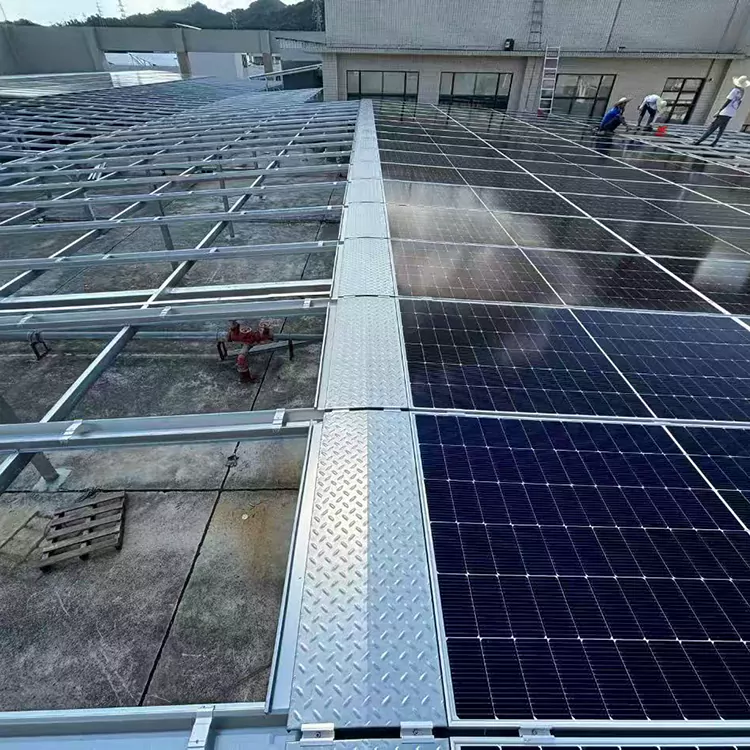
Structural Integrity and Load Distribution
The most fundamental role of the Solar PV Mounting Bracket is to clamp the panels to the underlying support rails or piles. In ground-mounted systems, which are often installed in open fields exposed to high winds, the brackets must handle significant uplift and shear forces. They act as the critical connection point, transferring the weight of the panels and the pressure from the elements safely into the ground.
Optimal Angling for Energy Yield
Unlike rooftop systems that are constrained by the roof pitch, ground mounts offer the flexibility to optimize tilt angles. Adjustable Solar PV Mounting Brackets allow installers to set the perfect angle for the specific latitude, ensuring maximum solar exposure throughout the year. This adjustability is vital for seasonal tilt adjustments, which can significantly boost annual energy output.
Key Components and Their Functions
To better understand the system, it helps to break down the specific hardware involved. The table below outlines the primary components found in a typical ground mount system supplied by manufacturers like Juming.
| Component | Function in Ground Mounted Systems |
|---|---|
| Mounting Bracket | Secures panels to rails; provides clamping force and weather resistance. |
| Support Rails | Horizontal bars that run beneath the panels, creating the structural frame. |
| Ground Screws / Piles | Foundation elements driven into the earth to anchor the entire array. |
| Mid & End Clamps | Specific types of Solar PV Mounting Brackets used to hold panels together. |
| Fasteners (Bolts/Nuts) | Corrosion-resistant hardware that locks all connections securely. |
Compatibility with Different Terrain
One of the major advantages of ground-mounted systems is their versatility in placement. The role of the Solar PV Mounting Bracket here is to adapt to the site conditions. Whether you are installing on flat compacted soil, a sloped hillside, or rocky terrain, the bracket system must interface correctly with the chosen foundation type. High-quality brackets, like those engineered by Juming, are designed to be compatible with various foundation solutions, ensuring a level and secure installation regardless of the ground profile.
Material Selection and Longevity
Since ground mounts are exposed to moisture, soil chemistry, and temperature fluctuations, material science plays a huge role. The brackets must resist corrosion for decades. The table below compares common materials used in manufacturing.
| Material | Key Property | Best Application |
|---|---|---|
| Aluminum Alloy | Lightweight, naturally corrosion-resistant, high strength-to-weight ratio. | Standard ground mounts and residential projects. |
| Stainless Steel | Exceptional tensile strength, superior corrosion resistance. | High-wind zones, critical fasteners, and commercial arrays. |
| Galvanized Steel | High load-bearing capacity, cost-effective. | Large-scale utility projects and heavy-duty frames. |
Frequently Asked Questions
What is the difference between a Solar PV Mounting Bracket and a solar panel clamp?
While both are used to secure panels, a Solar PV Mounting Bracket is a broader term often referring to the hardware that attaches the support rails to the foundation (like ground screws). A clamp is a specific type of bracket used to fasten the panel frame directly to the support rails. In essence, clamps are a sub-category of mounting brackets used for module-level retention.
How do I know if my Solar PV Mounting Brackets are strong enough for high winds?
The strength of a Solar PV Mounting Bracket for wind loads is determined by its material grade, thickness, and engineering design. Reputable manufacturers like Juming provide load calculation reports and certifications for their brackets. Installers must match these specifications to the local wind speed data for the site. Brackets with deeper serrations and stronger alloy compositions offer superior pull-out resistance.
Can Solar PV Mounting Brackets be reused if I need to relocate my ground mounted array?
Yes, in many cases, high-quality Solar PV Mounting Brackets are designed for durability and can be disassembled and reused. Aluminum and stainless steel brackets typically hold up well to disassembly, provided they were not over-torqued during installation and show no signs of corrosion or metal fatigue. It is essential to inspect the threads and contact surfaces before reinstallation to ensure long-term reliability.
Choosing the right mounting solution is a decision that impacts the safety, efficiency, and lifespan of your solar investment. At Juming, we are committed to providing premium hardware engineered for the demands of ground mounted applications.
Contact us today to discuss your project requirements and discover how our precision-engineered mounting solutions can support your next solar installation.