

Is Carport PV the smartest way I have found to turn parking space into long-term energy value?
2026-02-09
When I first started looking seriously at Carport PV solutions, I was not searching for a trendy solar concept. I was trying to solve a very practical problem: how to generate clean power without sacrificing usable land or changing the daily habits of people who rely on parking spaces. That search naturally led me to Xiamen Topfencesolar Co., Ltd., a company I came across while comparing different structural and photovoltaic integration approaches in real-world projects.
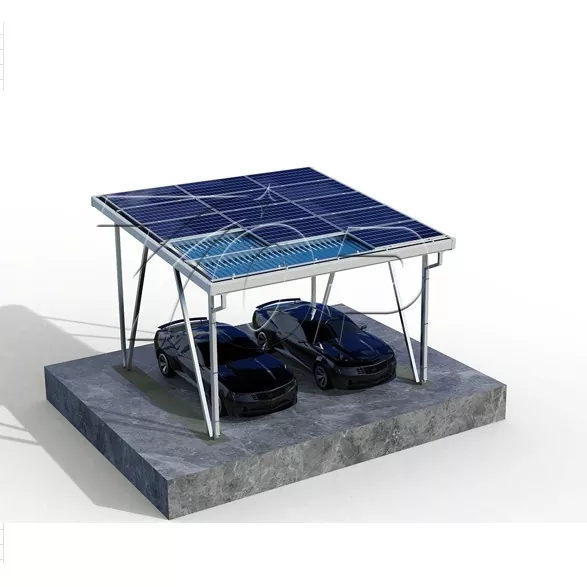
Why does Carport PV make more sense than traditional ground-mounted solar systems?
From my experience, Carport PV stands out because it works with existing infrastructure instead of competing against it. Parking areas already occupy valuable space, especially in commercial, industrial, and public facilities. By installing photovoltaic structures above these areas, I realized I could generate electricity while still keeping the parking function intact.
- I do not need to acquire additional land or deal with land-use restrictions.
- Vehicles gain shade and protection from weather exposure.
- The visual impact is often cleaner and more organized than scattered ground arrays.
This dual-purpose nature is the main reason why Carport PV continues to gain attention in markets where land efficiency and sustainability targets matter.
What real problems does Carport PV help me solve in daily operations?
In practice, I have seen Carport PV address several pain points that property owners and project developers often underestimate at the beginning.
- High electricity costs for commercial buildings and parking facilities
- Underutilized outdoor parking areas that generate no return
- Increasing pressure to meet carbon reduction or ESG goals
- User complaints about heat buildup and vehicle exposure
Instead of treating solar energy as an add-on, Carport PV allows me to integrate energy generation directly into everyday infrastructure.
How do structural design and durability affect long-term Carport PV performance?
One lesson I learned quickly is that not all Carport PV systems are built the same. Structural design matters just as much as the solar modules themselves. Wind load, corrosion resistance, drainage design, and maintenance access all influence whether the system performs reliably over decades.
When evaluating options, I pay close attention to:
- Material selection for long-term outdoor exposure
- Structural adaptability to different parking layouts
- Ease of installation without disrupting daily parking use
- Compatibility with various photovoltaic module types
These factors directly affect lifecycle costs and operational stability for any Carport PV project.
How does Carport PV compare financially over the full project lifecycle?
Short-term installation cost is only one part of the equation. What convinced me about Carport PV was its long-term financial logic. When parking areas already exist, the return calculation becomes much more favorable.
| Aspect | Carport PV | Traditional Ground Solar |
|---|---|---|
| Land utilization | Uses existing parking space | Requires dedicated land |
| User benefits | Provides vehicle shade and protection | No direct user benefit |
| Urban suitability | Highly suitable | Often limited |
| Long-term value | Energy + infrastructure upgrade | Energy generation only |
Looking at this comparison, it becomes clear why Carport PV often delivers a stronger combined return in dense or high-traffic environments.
Can Carport PV support future energy and mobility trends?
I believe Carport PV is especially relevant as electric vehicles become more common. Parking areas are evolving into energy hubs, not just static spaces. Solar carports can be paired with charging systems, energy storage, and smart management platforms.
- On-site power generation for EV charging
- Reduced grid dependency during peak demand
- Scalable layouts that adapt to future expansion
This flexibility is another reason I see Carport PV as a long-term infrastructure decision rather than a short-term solar installation.
Why do I see growing interest in Carport PV across different regions?
From what I observe, interest in Carport PV is not limited to one market. Commercial complexes, factories, hospitals, and public parking operators are all exploring it for slightly different reasons. What connects them is the desire to maximize existing assets while improving energy resilience.
As energy costs fluctuate and sustainability expectations rise, solutions that combine practicality with measurable output tend to stand out.
Is now the right time to move forward with a Carport PV project?
If you already manage or own parking infrastructure, waiting often means missed opportunity. Every year without Carport PV is a year when valuable space produces no energy and no additional return.
If you are exploring how to integrate solar power into real-world infrastructure without disrupting daily operations, I strongly recommend taking a closer look at customized solutions and discussing your specific site conditions.
To understand how a tailored Carport PV system could work for your project, the next step is simple. Contact us to discuss layout options, structural considerations, and long-term performance expectations. A well-designed system starts with the right conversation.