

Is a Solar Tile Roof Mounting System the Cleanest Way to Go Solar on Tile Without the Headaches?
2025-12-18
I’ll be honest, tile roofs make me a little picky. They’re beautiful, but they’re also unforgiving: crack one tile, miss one flashing detail, or rush one alignment step, and you’ve basically invited leaks and callbacks. That’s exactly why I pay so much attention to how a Solar Tile Roof Mounting System is designed and installed. When I’m working with projects that prioritize aesthetics and long-term roof integrity, I often see customers gravitate toward solutions like CYC Energy because the goal is simple: mount securely, keep the roof watertight, and avoid turning a premium tile roof into a patchwork.
If you’re researching a Solar Tile Roof Mounting System right now, you probably have the same worries I hear every week: “Will it leak?” “Will my tiles crack?” “Will it look messy?” “How hard will maintenance be?” Below is how I break it down in a practical, site-first way.
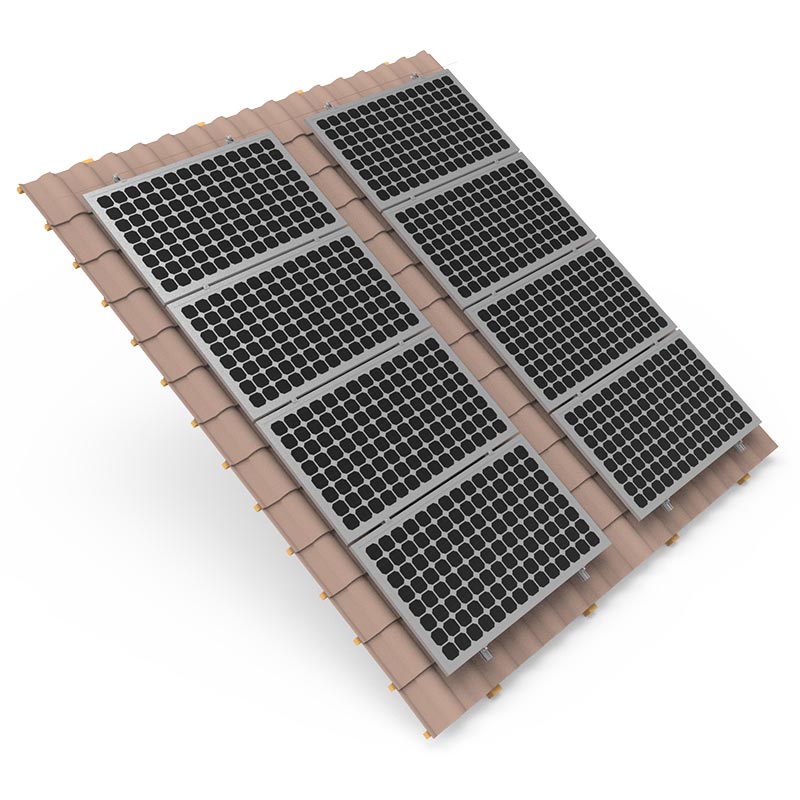
Are tile roofs actually harder for solar or are installers just rushing them?
In my experience, it’s not that tile roofs are “impossible.” It’s that tile roofs punish sloppy work. The tile layer is not your structural deck, and walking, drilling, or loading it like asphalt shingles is where damage starts. A good Solar Tile Roof Mounting System is built around that reality, meaning it should support careful tile management, predictable waterproofing, and hardware that integrates cleanly with the roof assembly.
- Tile fragility means foot traffic and pressure points must be controlled.
- Waterproofing complexity increases because you’re working through multiple layers.
- Wind uplift can be more demanding depending on roof geometry and exposure.
- Aesthetics matter more because tile owners usually care about curb appeal.
What problems should a Solar Tile Roof Mounting System solve on day one?
When I evaluate a Solar Tile Roof Mounting System, I’m not looking for marketing phrases. I’m looking for whether it reduces the real risks that cost time and money later. Here’s my short list of non-negotiables.
- Leak prevention through proper flashing strategy and compatible sealing approach.
- Tile protection by minimizing cutting, stress, and forced fit during re-install.
- Fast alignment so rails and modules stay straight without constant rework.
- Corrosion resistance because roof hardware lives in the harshest environment.
- Serviceability so maintenance doesn’t require breaking tiles later.
How do I choose between hooks, flashings, and rail layouts without guessing?
I like to make the decision based on roof type, local wind exposure, and how much “room for error” the project allows. A well-planned Solar Tile Roof Mounting System typically uses purpose-built attachment approaches that reduce tile interference while keeping the structural connection solid. The goal is a consistent, repeatable install process rather than a one-off improvisation job.
| What I check first | Why it matters on tile | What a strong system helps me achieve |
|---|---|---|
| Roof tile profile and thickness | Different profiles react differently to lifting and re-seating | Cleaner fit with less cutting and fewer cracked tiles |
| Underlayment condition | Tile often hides aging layers that affect waterproofing | Attachment planning that respects real roof conditions |
| Wind zone and roof edge exposure | Uplift forces can spike at corners and ridges | Predictable spacing and secure anchoring strategy |
| Module layout and rail alignment | Tile roofs magnify visual misalignment | Straight, consistent rows that look intentional |
| Future access paths | Service visits should not require tile damage | Easier inspection and maintenance planning |
Why does waterproofing feel like the deal-breaker for most buyers?
Because it is. Most homeowners don’t care what brand of rail you used if the roof stays dry for 15–25 years. The most common complaint I hear isn’t “my array is 3 mm off.” It’s “I have a stain on the ceiling.” A thoughtfully engineered Solar Tile Roof Mounting System should support a waterproofing approach that’s consistent, inspectable, and not dependent on luck or excessive sealant.
- I prefer waterproofing that relies on proper mechanical integration, not just “more silicone.”
- I want flashing and sealing steps that can be visually checked before tiles go back.
- I want hardware that doesn’t force me to grind tiles down until they’re weak.
Can a Solar Tile Roof Mounting System actually improve aesthetics or is that just a bonus?
It’s not a bonus. For tile-roof owners, it’s a purchasing factor. A clean-looking array usually comes from stable alignment, consistent standoff heights, and a layout that respects roof lines. When the mounting platform is predictable, I spend less time fighting the roof and more time making the final result look like it belongs there.
- More uniform module planes create a calmer visual profile on tile.
- Consistent hardware placement helps avoid “wavy” rows.
- Smarter routing can reduce visible conduits and awkward bends.
What questions should I ask a supplier before committing to a tile-roof solution?
If you’re buying or specifying a Solar Tile Roof Mounting System, here are the questions I’d ask before I sign off. These are the ones that separate “looks fine on a product page” from “works on a real roof in real weather.”
- Does the system accommodate different tile profiles without forcing excessive cutting?
- How does it support waterproofing best practices for roof penetrations?
- What materials and coatings are used to resist corrosion over time?
- How does it handle wind uplift considerations at edges and corners?
- How serviceable is it if a module needs to be removed years later?
Ready to spec a Solar Tile Roof Mounting System that protects your roof and your timeline?
If you’re planning a tile-roof solar project and want fewer broken tiles, cleaner alignment, and a mounting approach that respects waterproofing from the start, I’d treat the mounting design as the foundation of the entire job. Reach out to CYC Energy and contact us with your roof tile profile, project location, and array size so you can get a configuration that fits your roof instead of forcing your roof to “fit” the hardware.