

Is a Solar Ground Mount the Smartest Way to Scale Your Solar Project?
2025-12-26
When I first started evaluating large-scale solar installations, I quickly realized that rooftop systems were not always the most practical option. Limited space, roof load concerns, and suboptimal angles often held projects back. That was when I began paying closer attention to Solar Ground Mount systems. Through hands-on project experience and ongoing collaboration with manufacturers like TOPFence, I’ve come to see why this solution is becoming a preferred choice for developers, EPC contractors, and landowners alike.
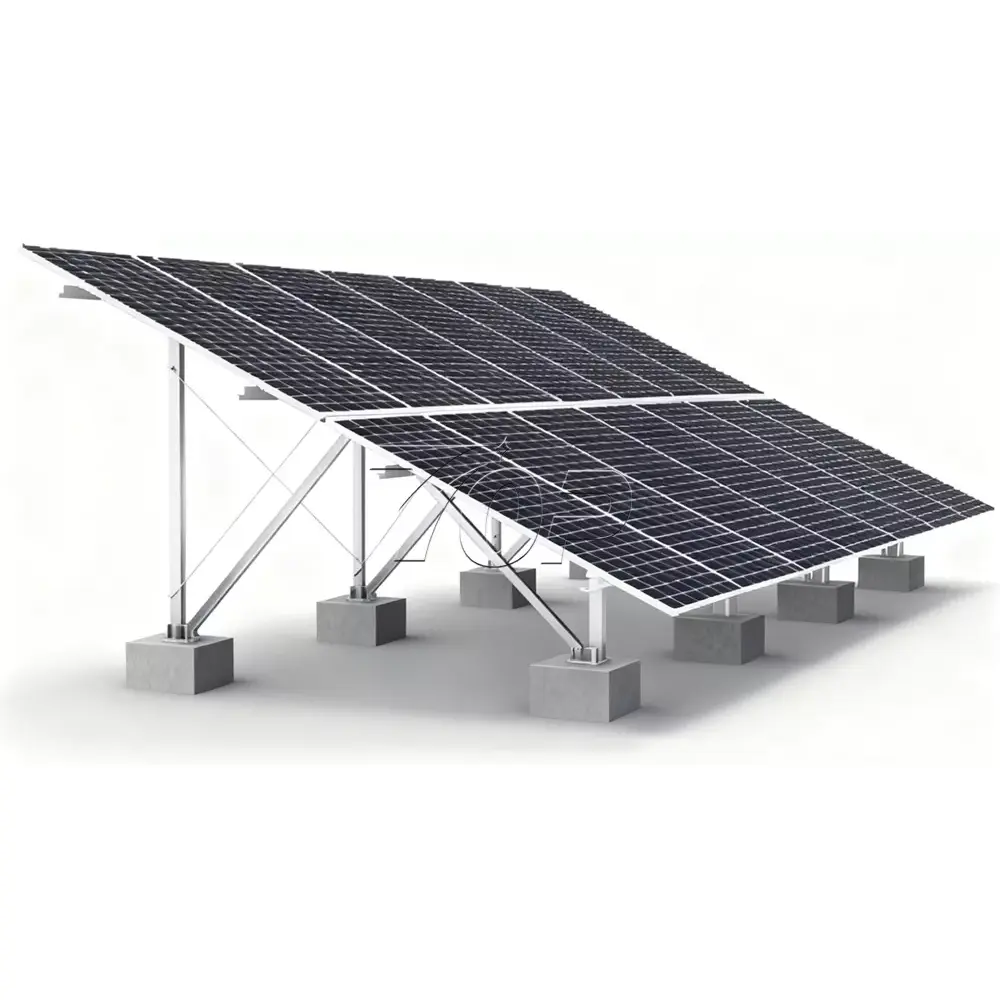
Why Do So Many Projects Struggle Without a Solar Ground Mount?
One of the biggest pain points I see in solar planning is the lack of flexibility. Rooftops lock you into existing structures, while uneven terrain complicates layout and alignment. A well-designed Solar Ground Mount system addresses these challenges directly by allowing installations on open land, unused fields, or industrial zones where layout freedom actually improves system efficiency.
- Limited roof area restricts system capacity
- Roof reinforcement increases upfront cost
- Fixed roof angles reduce energy yield
- Maintenance access is often difficult
With a ground-based approach, these constraints are largely removed. That flexibility alone can determine whether a project is financially viable or not.
How Does a Solar Ground Mount Improve Energy Output?
From my perspective, performance is where a Solar Ground Mount really proves its value. Ground-mounted structures can be optimized for tilt and orientation, rather than adapting to whatever angle a building happens to have. This directly impacts daily and annual power generation.
| Design Factor | Rooftop System | Solar Ground Mount System |
|---|---|---|
| Tilt Angle Control | Limited by roof | Fully adjustable |
| Orientation | Fixed by building | Optimized for sun path |
| System Expansion | Difficult | Easy to scale |
| Maintenance Access | Restricted | Ground-level access |
In real-world installations, this often translates into higher output per installed watt, especially for utility-scale or commercial projects.
What Makes Solar Ground Mount Systems More Reliable Over Time?
Durability is another concern clients often raise with me. A Solar Ground Mount must withstand wind loads, soil movement, and long-term exposure to weather. This is where structural design and material quality matter most. Systems developed by experienced suppliers such as TOPFence tend to focus on corrosion resistance, structural stability, and compatibility with different soil conditions.
- Hot-dip galvanized or coated steel for corrosion resistance
- Engineered foundations for various soil types
- Consistent load distribution to protect modules
- Designs tested against wind and snow loads
From an operations standpoint, this reliability reduces maintenance costs and minimizes downtime throughout the system’s lifespan.
Can a Solar Ground Mount Adapt to Different Project Scales?
Absolutely, and this is something I emphasize when advising new investors. A Solar Ground Mount works just as well for a small commercial array as it does for a multi-megawatt solar farm. Modular designs allow projects to start small and expand over time without redesigning the entire structure.
This scalability is especially valuable for agricultural landowners and industrial users who want to phase their investment while monitoring performance and returns.
Why Should You Consider TOPFence When Choosing a Solar Ground Mount?
In my experience, product design is only half the equation. Clear technical support, consistent manufacturing quality, and practical installation guidance make a real difference on site. TOPFence integrates these elements into its Solar Ground Mount solutions, focusing on systems that are straightforward to install and adaptable to real-world conditions rather than idealized lab environments.
That practical mindset is often what helps projects stay on schedule and within budget.
Is Now the Right Time to Invest in a Solar Ground Mount System?
If you are planning a solar project and want maximum flexibility, efficiency, and long-term stability, I strongly believe a Solar Ground Mount deserves serious consideration. The ability to optimize layout, scale capacity, and maintain the system easily makes it a compelling option across many markets.
If you’re exploring your options or need technical input tailored to your site, I recommend reaching out directly. Contact us today to discuss your project requirements, request technical details, or receive a customized solution from the TOPFence team. A well-chosen mounting system can define the success of your entire solar investment.