

How to Troubleshoot and Fix Solar Powered Outdoor Lights That Stop Working
2026-08-12
Nothing is more frustrating than installing beautiful solar powered outdoor lights around your garden or driveway, only to find them dim or completely dead a few months later. Before you throw them away, know that most issues are simple to diagnose and repair. At Hongyu, we have spent over a decade engineering reliable solar powered outdoor lights, and we see the same fixable problems time and again. This guide walks you through every practical step, from basic cleaning to component testing, so you can restore your lights to full brightness without calling an electrician.
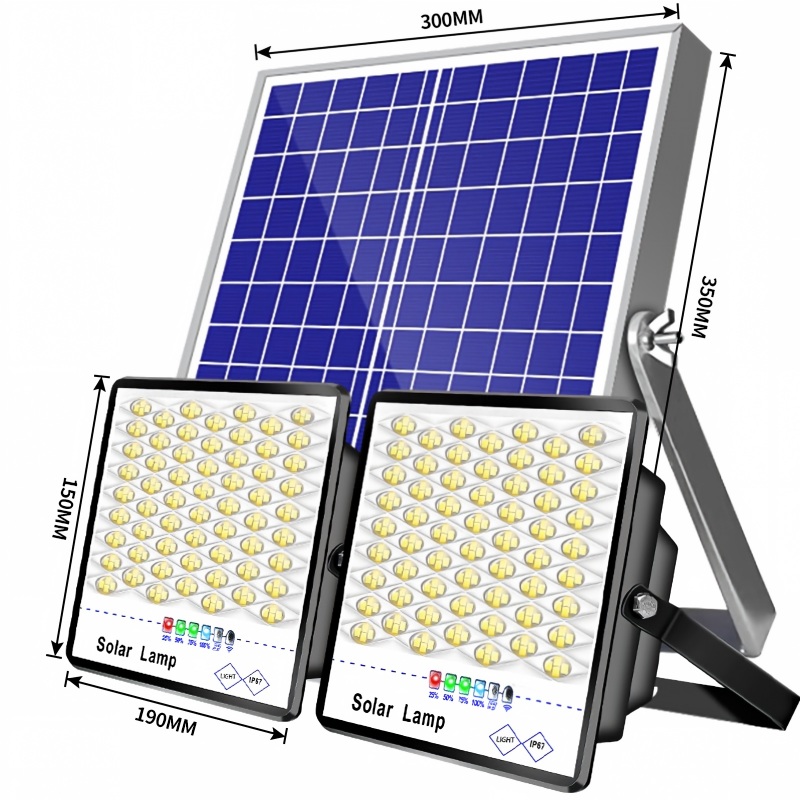
Why Do Solar Powered Outdoor Lights Fail? (The 4 Core Causes)
| Cause | Likelihood | Fix Difficulty |
|---|---|---|
| Dirty or obstructed solar panel | Very High | Easy (5 min) |
| Rechargeable battery degraded | High | Moderate (10 min) |
| Water ingress in the housing | Medium | Moderate (15 min) |
| Loose or corroded wire connections | Medium | Moderate (10 min) |
Most failures are not permanent. With Hongyu models, we design modular battery compartments and sealed junction boxes, but the principles apply to almost any brand. Let us break down each fix in order of simplicity.
Step-by-Step Repair Process
1. Clean the Solar Panel Thoroughly
Dust, pollen, and bird droppings block up to 70% of sunlight. Even high-efficiency panels from Hongyu need occasional wiping.
-
Use a soft microfiber cloth with warm soapy water.
-
Never use abrasive cleaners – they scratch the glass and reduce transparency.
-
Dry with a lint-free cloth and check for hazy film.
After cleaning, place the light in direct sun for two full daylight hours, then test at dusk.
2. Test and Replace the Battery
The rechargeable battery (usually NiMH or Li-ion) is the most replaced part in solar powered outdoor lights. Batteries typically last 12–18 months.
-
Open the battery compartment (refer to your manual).
-
Measure voltage with a multimeter – a 1.2V NiMH cell should read above 1.0V under load.
-
If below 0.8V, replace with the exact same chemistry and capacity (e.g., 1800mAh AA).
-
Pro tip from Hongyu: Always replace all batteries in a set at the same time to avoid imbalance.
3. Inspect for Water Damage
Outdoor lights face rain, snow, and humidity. Even IP65-rated solar powered outdoor lights can suffer if the rubber gasket is misaligned.
-
Remove the lens and look for condensation or rust on contacts.
-
Dry interior with a hairdryer on cool setting.
-
Apply dielectric grease to metal terminals to prevent future corrosion.
-
Re-seal the housing tightly – Hongyu units include a second O-ring for extra protection.
4. Check Wiring and Sensor Alignment
For lights with motion sensors or remote panels, loose wiring is a silent killer.
-
Gently tug each wire to ensure it is firmly crimped.
-
If the solar panel is separate, verify the extension cord is not cut or pinched.
-
Ensure the light sensor faces away from other light sources (streetlights, windows) – otherwise, the photocell may think it is still daytime.
Maintenance Schedule to Prevent Future Failures
| Task | Frequency | Time Required |
|---|---|---|
| Wipe solar panel surface | Every 2 weeks | 2 minutes |
| Check gasket seal and screws | Monthly | 3 minutes |
| Full battery capacity test | Every 6 months | 10 minutes |
| Complete housing inspection | Annually | 15 minutes |
Following this schedule keeps your Hongyu lights performing at 95% efficiency year-round.
FAQ – Common Questions About Solar Powered Outdoor Lights
Q: Can I use regular alkaline batteries instead of rechargeable ones in my solar powered outdoor lights?
A: No. Never use alkaline or non-rechargeable batteries. They are not designed for the constant charge-discharge cycle and will leak or burst, permanently destroying the circuit. Only use NiMH or Li-ion rechargeable cells with the same voltage and mAh rating specified by the manufacturer. Hongyu recommends branded low-self-discharge NiMH batteries for best results.
Q: Why do my solar powered outdoor lights turn on during the day but stay off at night?
A: This is almost always a reversed polarity issue or a faulty photocell sensor. First, check that the battery is inserted with the correct + and – orientation – even experienced users make this mistake. If polarity is correct, cover the solar panel completely with your hand; if the light does not turn on within 10 seconds, the photocell is defective. For Hongyu lights, we offer a replacement sensor module that snaps in without soldering.
Q: How many hours of direct sunlight do solar powered outdoor lights need for a full night’s operation?
A: Most quality solar powered outdoor lights require 6–8 hours of direct, unobstructed sunlight to deliver 8–10 hours of runtime. However, this depends on the battery capacity and LED wattage. Hongyu high-capacity models can achieve a full 12-hour runtime with just 5 hours of summer sun. In winter, you may need to reposition the panel to capture low-angle sunlight – tilt it toward the equator at about 30–45 degrees.
When to Replace vs. Repair
If you have tried all steps above and the light still flickers or dies within an hour, the LED driver board may have failed. For Hongyu customers, we stock spare driver boards and offer video-guided replacement. For other brands, compare the cost of a new driver (usually $5–$10) against a complete new fixture. If the housing is cracked or the panel is shattered, replacement is more economical.
Final Checklist Before You Give Up
-
□
Panel cleaned with microfiber and soapy water
-
□
Battery voltage tested and replaced if under 0.8V
-
□
All contacts scrubbed with fine sandpaper to remove oxidation
-
□
Sensor covered to test night-mode activation
-
□
Housing re-sealed with fresh gasket grease
Over 80% of non-working solar powered outdoor lights are revived by these five actions. Hongyu designs every component for easy access – because we believe repair should be simpler than replacement.
Contact Us for Professional Support
If your solar powered outdoor lights still refuse to shine after following this entire guide, the Hongyu support team is ready to help. We offer free diagnostic consultations, spare part shipping, and even trade-in credits for old units. Visit our website or email our service desk with your model number and a short description of the issue – we typically respond within 4 business hours. Let us get your lights back to illuminating your property safely and beautifully. Contact Hongyu today – we do not stop until your lights do not stop.