
How to Optimize Solar Roof Mounting System Installation?
2025-12-24
Abstract: Solar Roof Mounting Systems have become a critical component in the renewable energy sector. This comprehensive guide explores the technical specifications, installation methods, and key considerations for solar roof mounting solutions. The article also addresses common questions, offering detailed answers for homeowners, contractors, and solar energy enthusiasts.
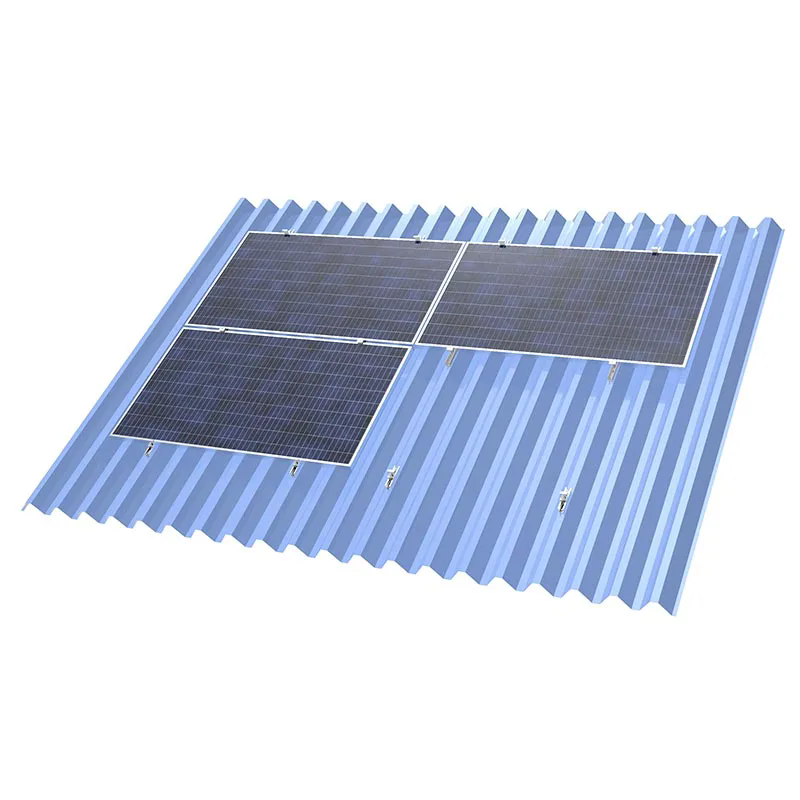
Table of Contents
1. Introduction to Solar Roof Mounting Systems
Solar Roof Mounting Systems are engineered frameworks designed to securely attach solar panels to residential, commercial, or industrial rooftops. These systems ensure maximum energy yield while providing durability under varying environmental conditions. Understanding the technical specifications and installation requirements is crucial to optimize performance.
Key parameters of Solar Roof Mounting Systems:
| Parameter | Description |
|---|---|
| Material | High-grade aluminum alloy or stainless steel for corrosion resistance |
| Load Capacity | Designed to withstand up to 2400 Pa wind load and 5400 Pa snow load |
| Roof Compatibility | Tile roofs, metal roofs, flat roofs, and pitched roofs |
| Mounting Types | Fixed tilt, adjustable tilt, and rail-less systems |
| Durability | Minimum 20-year lifespan with UV and weather resistance coatings |
| Installation Tools | Standard wrench sets, torque drivers, and sealing kits |
This article focuses on providing actionable guidance for optimizing the installation process, selecting suitable system types, and addressing frequent technical queries.
2. Types and Applications of Solar Roof Mounting Systems
Understanding the different types of mounting systems helps in selecting the most efficient and cost-effective solution:
2.1 Fixed Tilt Roof Mounts
Fixed tilt systems maintain a constant angle optimized for solar energy collection. They are ideal for regions with consistent sun exposure and require minimal maintenance.
2.2 Adjustable Tilt Mounts
Adjustable tilt systems allow seasonal angle adjustments to maximize energy capture throughout the year. They are suitable for homes and businesses looking to optimize performance dynamically.
2.3 Rail-less or Integrated Mounting Systems
Rail-less designs reduce material usage and installation time by integrating mounting directly with the solar panels. They are popular for aesthetic reasons and on rooftops with limited weight capacity.
Applications:
- Residential rooftops
- Commercial buildings and warehouses
- Industrial solar installations
- Community solar projects
3. Installation Best Practices and Technical Parameters
Proper installation ensures the longevity and efficiency of the Solar Roof Mounting System. Key steps include:
3.1 Pre-Installation Assessment
Evaluate roof structure, orientation, shading patterns, and local climate data. Confirm load-bearing capacity and compliance with local building codes.
3.2 Structural Layout and Measurements
Plan panel spacing, rail alignment, and mounting height. Ensure compatibility with panel dimensions and electrical conduit paths.
3.3 Assembly and Fastening
Use corrosion-resistant hardware. Torque bolts according to manufacturer specifications. Apply sealants at roof penetrations to prevent leaks.
3.4 Performance Verification
After installation, check panel alignment, tilt angles, and electrical connections. Monitor energy output during initial operation to verify system efficiency.
4. Frequently Asked Questions
5. Brand Highlight and Contact
CYC China offers a comprehensive range of Solar Roof Mounting Systems designed for efficiency, durability, and easy installation. The company emphasizes technical precision, high-quality materials, and customer support to ensure optimal performance for residential, commercial, and industrial projects.
For further details or consultation, contact us to explore tailored solutions for your solar roof installation needs.