

How to Install a Solar Balcony Mounting System?
2026-06-22
Abstract
A Solar Balcony Mounting System is a compact photovoltaic installation solution designed specifically for apartments, condos, and urban residential buildings with limited roof access. It enables homeowners and tenants to generate clean electricity directly from their balconies without complex construction or permanent structural modifications. This article explains how these systems work, their key components, installation process, benefits, and common challenges users face when adopting balcony solar solutions. It also provides practical guidance to help users make informed decisions when selecting and installing a system.
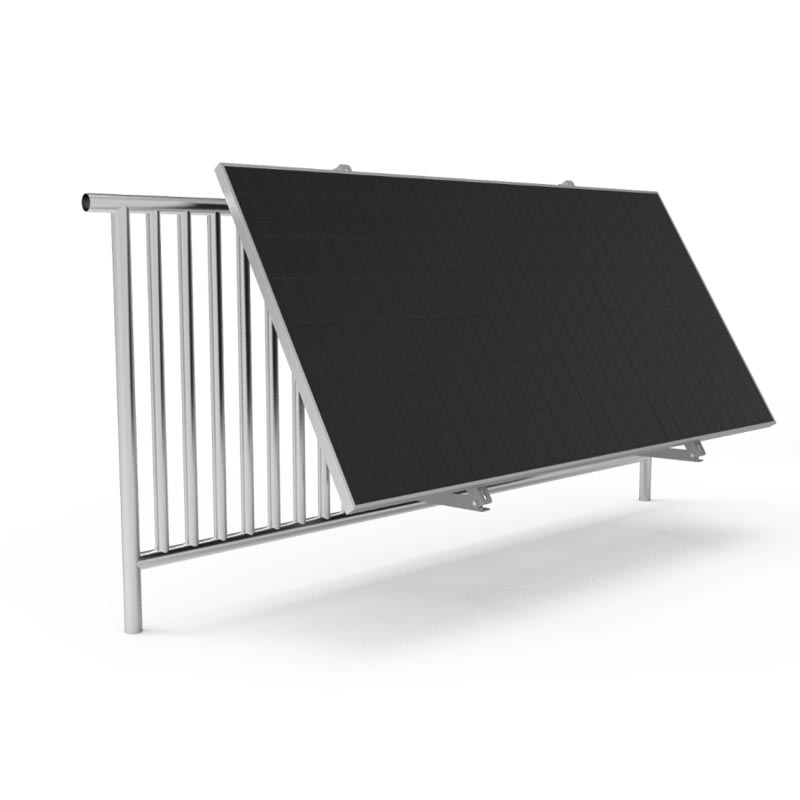
Table of Contents
- 1. Overview of Solar Balcony Mounting System
- 2. Key Components Explained
- 3. Step-by-Step Installation Process
- 4. Benefits for Urban Households
- 5. Balcony Solar vs Traditional Rooftop Solar
- 6. Common Installation Challenges
- 7. Maintenance and Safety Considerations
- 8. Why Choose CYC Energy Solutions
- 9. Frequently Asked Questions
1. Overview of Solar Balcony Mounting System
A Solar Balcony Mounting System is a lightweight structural framework designed to securely attach solar panels to balcony railings, walls, or parapets. Unlike traditional rooftop systems, it does not require drilling into roofs or complex engineering approvals in many cases. It is particularly suitable for urban environments where space constraints and building regulations limit rooftop installations.
These systems are typically modular, adjustable, and compatible with various photovoltaic panel sizes. They are engineered to maximize sunlight exposure while ensuring stability against wind loads and environmental conditions.
2. Key Components Explained
Understanding the core components of a Solar Balcony Mounting System is essential for proper installation and performance optimization.
- Mounting Brackets: Provide structural support and attach panels securely to balcony railings or walls.
- Aluminum Rails: Lightweight yet durable frames that hold solar panels in place.
- Clamps and Fasteners: Ensure tight fixation and prevent movement under wind pressure.
- Solar Panels: Convert sunlight into electrical energy.
- Microinverter or Power Optimizer: Converts DC electricity into usable AC power for household devices.
- Cabling System: Transfers electricity safely into the home power circuit or plug-in outlet system.
3. Step-by-Step Installation Process
Installing a Solar Balcony Mounting System is designed to be straightforward, but precision is critical for safety and efficiency. Below is a simplified process:
- Site Assessment: Evaluate balcony orientation, sunlight exposure, and structural strength.
- Mount Positioning: Mark installation points on railing or wall to optimize solar angle.
- Bracket Fixing: Attach mounting brackets securely using corrosion-resistant fasteners.
- Rail Assembly: Install aluminum rails onto brackets, ensuring level alignment.
- Panel Installation: Mount solar panels onto rails using clamps.
- Electrical Connection: Connect panels to microinverter and plug into home system (if applicable).
- System Testing: Verify output voltage and ensure stable operation.
4. Benefits for Urban Households
Balcony-mounted solar systems provide multiple advantages, particularly for city residents who cannot install rooftop arrays.
- Reduced electricity bills through self-generated power
- Easy installation without major construction work
- Ideal for renters and apartment owners
- Scalable system design for future expansion
- Lower carbon footprint and environmental impact
5. Balcony Solar vs Traditional Rooftop Solar
| Feature | Balcony Solar System | Rooftop Solar System |
|---|---|---|
| Installation Complexity | Low, plug-and-play design | High, requires structural mounting |
| Space Requirement | Minimal (balcony railings) | Large rooftop area required |
| Mobility | Portable and removable | Permanent installation |
| Power Output | Moderate | High capacity |
| Target Users | Apartment residents | Homeowners with rooftops |
6. Common Installation Challenges
While Solar Balcony Mounting Systems are user-friendly, certain challenges may arise:
- Limited Sunlight Exposure: High-rise buildings may experience shading from nearby structures.
- Load Restrictions: Balcony railings must be evaluated for load-bearing capacity.
- Angle Optimization: Improper tilt reduces energy efficiency.
- Regulatory Constraints: Some buildings require approval before installation.
Addressing these challenges during the planning phase ensures long-term system performance and safety.
7. Maintenance and Safety Considerations
Maintenance requirements for balcony solar systems are minimal but essential for sustained efficiency:
- Regular cleaning of solar panels to remove dust and debris
- Periodic inspection of mounting brackets and fasteners
- Checking electrical connections for wear or corrosion
- Ensuring no shading changes due to nearby construction or vegetation
Safety is equally important. Proper grounding, weather-resistant materials, and certified electrical components significantly reduce operational risks.
8. Why Choose CYC Energy Solutions
CYC Energy specializes in advanced Solar Balcony Mounting System solutions designed for urban living environments. Their systems are engineered with high-strength aluminum alloys, corrosion-resistant coatings, and precision-fit components that ensure stability even in challenging weather conditions.
Unlike generic mounting kits, CYC Energy focuses on modular adaptability, allowing users to adjust panel angles and configurations based on seasonal sunlight variations. This design philosophy improves energy yield while maintaining installation simplicity.
Additionally, CYC Energy prioritizes user safety and long-term durability, offering systems that comply with international installation standards and modern electrical safety requirements.
9. Frequently Asked Questions
Q1: Can I install a Solar Balcony Mounting System myself?
Yes, many systems are designed for DIY installation. However, basic electrical knowledge or professional assistance is recommended for safe setup.
Q2: How much electricity can a balcony solar system generate?
Output depends on panel size, sunlight exposure, and geographic location. Typically, small systems can offset a portion of daily household energy usage.
Q3: Do I need permission to install it?
In some apartment buildings, management approval may be required, especially for external modifications to balcony structures.
Q4: Is it weather-resistant?
Yes. High-quality systems are designed to withstand wind, rain, and UV exposure when properly installed.
Q5: Can I expand the system later?
Yes, modular designs allow additional panels to be integrated as energy needs increase.
Conclusion
A Solar Balcony Mounting System provides a practical and efficient solution for urban residents seeking renewable energy without rooftop access. With proper installation, quality components, and regular maintenance, it can significantly reduce electricity costs while supporting sustainable living practices.
CYC Energy continues to innovate in this space, delivering reliable and adaptable mounting solutions tailored for modern city environments.
For more detailed product guidance, customization options, and technical support, CYC Energy welcomes you to contact us and explore how a balcony solar solution can transform your energy usage today.