

How to Design and Install a Solar Flat Roof Mounting System?
2026-05-25
Abstract
A Solar Flat Roof Mounting System is a structural solution designed to securely install photovoltaic (PV) modules on flat or low-slope roofs. It plays a critical role in ensuring system stability, energy efficiency, wind resistance, and long-term durability of solar installations. This article explains how such systems are designed, what components are involved, common installation practices, and how to avoid costly mistakes. It is intended for installers, project developers, and building owners seeking reliable solar mounting solutions that maximize ROI while minimizing structural risks.
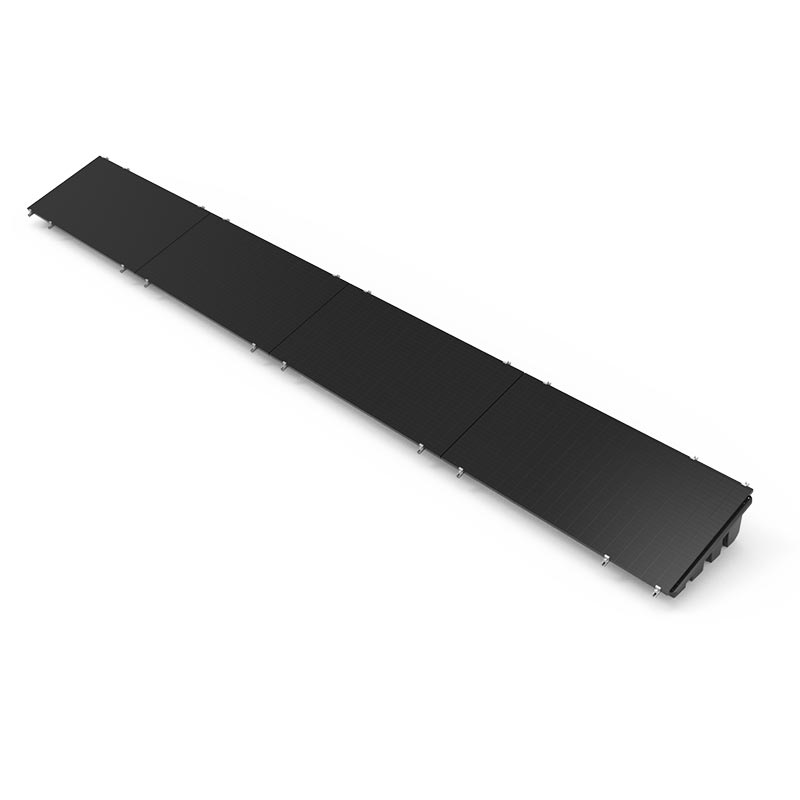
Table of Contents
- Overview of Solar Flat Roof Mounting Systems
- Key Challenges in Flat Roof Solar Installation
- Product Reference: Flat Roof Mounting Solutions
- Core Components Explained
- System Design Considerations
- Installation Workflow
- Ballasted vs. Anchored Systems
- Maintenance and Long-Term Performance
- FAQ
- Conclusion
Outline
This guide covers the complete lifecycle of a Solar Flat Roof Mounting System—from design and engineering to installation and maintenance. It also compares different structural approaches and highlights engineering best practices used in commercial and industrial solar projects.
Overview of Solar Flat Roof Mounting Systems
Flat roof solar installations require specialized mounting systems because traditional tilted-roof mounting methods are not suitable. A Solar Flat Roof Mounting System is engineered to provide optimal tilt angles, load distribution, and wind resistance without damaging the roof membrane. These systems are widely used in warehouses, factories, commercial buildings, and institutional facilities.
Unlike pitched roof systems, flat roof structures must account for low-angle wind uplift, water drainage patterns, and roof load limitations. The design must ensure both energy performance and structural safety.
Key Challenges in Flat Roof Solar Installation
Installing solar panels on flat roofs presents unique technical challenges. Understanding these is essential for system reliability and long-term performance.
- Wind uplift pressure: Flat roofs are more exposed to aerodynamic uplift forces.
- Roof load limits: Excessive weight can compromise structural integrity.
- Water drainage: Improper layout may obstruct drainage paths.
- Penetration risks: Roof punctures can lead to leakage issues.
- Shading optimization: Row spacing must reduce inter-array shading.
Engineering a stable system requires balancing these constraints while maintaining high energy yield.
Core Components Explained
A Solar Flat Roof Mounting System typically includes several key components that work together to ensure structural performance.
- Mounting Rails: Aluminum or galvanized steel profiles that support PV modules.
- Base Supports: Triangular or adjustable brackets that define tilt angle.
- Ballast Blocks: Concrete weights used in non-penetrating systems.
- Roof Protection Pads: Rubber or EPDM layers to protect waterproof membranes.
- Fasteners & Clamps: Secure PV modules to rails under mechanical load.
Manufacturers like Xiamen CYC design these components with corrosion-resistant materials to ensure long-term outdoor durability.
System Design Considerations
Proper system design is the foundation of a successful solar installation. Engineers must evaluate multiple parameters before finalizing the layout.
- Wind load analysis: Determines ballast or anchoring requirements.
- Roof structure assessment: Ensures load-bearing capacity is sufficient.
- Tilt angle optimization: Typically ranges from 5° to 15° for flat roofs.
- Row spacing: Prevents shading between panel rows.
- Material selection: Aluminum is preferred for lightweight corrosion resistance.
Advanced design software is often used to simulate wind pressure zones and optimize mounting configurations for maximum efficiency.
Installation Workflow
The installation process of a Solar Flat Roof Mounting System follows a structured workflow to ensure safety and efficiency.
- Roof inspection: Evaluate structural integrity and waterproofing condition.
- Layout marking: Define rail positions and module arrangement.
- Base placement: Install ballast or anchor points as required.
- Rail assembly: Secure mounting rails to supports.
- Module installation: Attach PV panels using clamps.
- Electrical connection: Complete wiring and grounding.
- Final inspection: Verify mechanical stability and alignment.
Each step must be performed with precision to prevent long-term structural or electrical failures.
Ballasted vs. Anchored Systems
| Feature | Ballasted System | Anchored System |
|---|---|---|
| Roof Penetration | No penetration required | Requires roof drilling |
| Installation Speed | Faster | Slower due to sealing work |
| Wind Resistance | Depends on ballast weight | Higher structural fixation |
| Roof Compatibility | Best for strong flat roofs | Suitable for reinforced structures |
| Maintenance | Easier roof maintenance | Requires sealing inspection |
Choosing between these systems depends on building type, environmental conditions, and project budget.
Maintenance and Long-Term Performance
Although Solar Flat Roof Mounting Systems are designed for durability, periodic maintenance is essential to ensure long-term performance.
- Inspect fasteners annually for loosening.
- Check ballast movement after extreme weather events.
- Ensure drainage paths remain unobstructed.
- Monitor corrosion levels on metal components.
- Verify module alignment and structural stability.
Proper maintenance significantly extends system lifespan and improves energy yield consistency over time.
FAQ
Q1: Can a flat roof support a solar mounting system?
Yes, most commercial flat roofs can support solar systems if a structural assessment confirms load capacity.
Q2: Is roof penetration always required?
No. Ballasted systems avoid roof penetration, though anchored systems may be used for higher wind resistance.
Q3: How long does installation take?
Depending on system size, installation can range from a few days to several weeks.
Q4: What materials are commonly used?
Aluminum alloys and galvanized steel are widely used for their strength and corrosion resistance.
Q5: How does Xiamen CYC contribute to system quality?
Xiamen CYC provides engineered mounting solutions designed for durability, ease of installation, and structural reliability across diverse rooftop environments.
Conclusion
A Solar Flat Roof Mounting System is more than just a structural framework—it is a critical engineering solution that determines the efficiency, safety, and longevity of a solar installation. Proper design, material selection, and installation practices ensure that solar energy systems perform optimally even under challenging environmental conditions.
With industry expertise and engineering precision, Xiamen CYC continues to deliver reliable mounting solutions tailored to modern photovoltaic demands. For project consultation, technical support, or customized system design, contact us today and take the next step toward a more efficient solar future.