

Article Summary
A portable air compressor provides compressed air for tire inflation, pneumatic tools, home improvement, vehicle maintenance, and many professional applications. However, choosing the wrong model can lead to slow inflation, insufficient airflow, excessive noise, overheating, and unnecessary operating costs. This guide explains how to select a suitable portable air compressor by evaluating pressure, airflow, tank capacity, power supply, portability, maintenance requirements, and working conditions. It also covers practical operating tips, common purchasing mistakes, and essential safety measures to help individuals and businesses make a more confident investment.
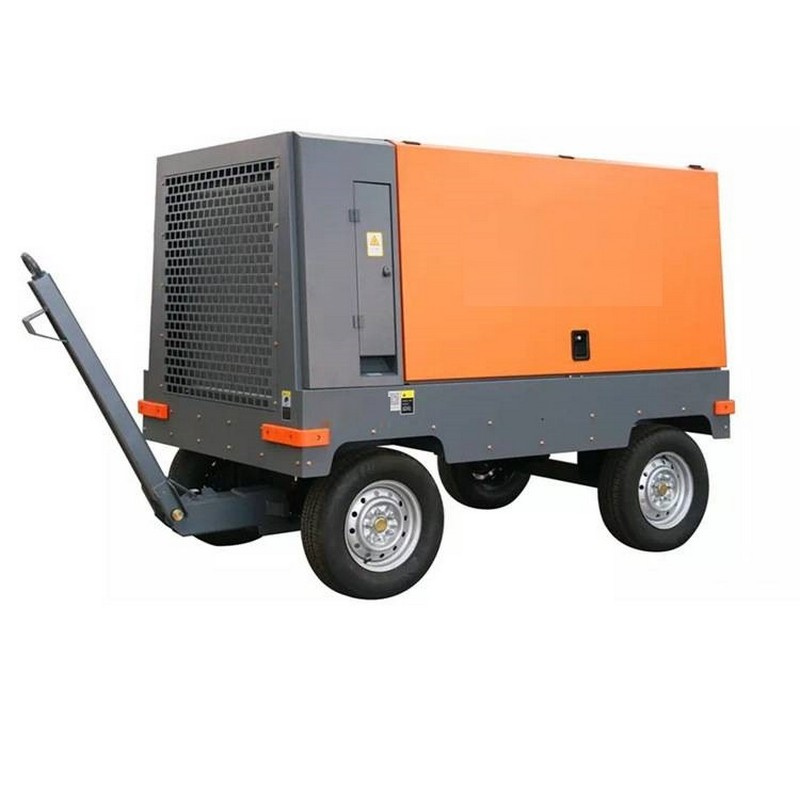
1. What Makes a Portable Air Compressor a Practical Choice?
A portable air compressor is a machine that draws in ambient air, compresses it, and delivers it at a pressure suitable for a particular task. Depending on the design, it may store compressed air in a tank or deliver air directly through a hose or outlet. Its defining advantage is mobility, allowing users to access compressed air without installing a large, permanent compressor system.
For homeowners, automotive enthusiasts, maintenance teams, and contractors, portability can significantly improve convenience. A compact unit can be transported between work areas, stored in a vehicle, or placed on a workshop shelf when it is not needed.
Nevertheless, portability alone does not guarantee good performance. A lightweight compressor may be ideal for inflating tires but unsuitable for powering an air sander throughout a work shift. Understanding the relationship between air demand and compressor capacity is essential before making a purchase.
Different models are designed for different workloads. Some prioritize lightweight construction and quick setup, while others emphasize greater airflow, larger storage capacity, or durability under frequent use. The right choice balances performance, mobility, reliability, and total ownership cost.
2. Where Can a Portable Air Compressor Be Used?
The versatility of a portable air compressor makes it useful across residential, commercial, and industrial environments. Before comparing products, identify the applications that matter most to your daily work.
Automotive Maintenance and Tire Inflation
Portable compressors can inflate car, motorcycle, bicycle, and selected recreational vehicle tires when the unit is compatible with the required pressure and inflation volume. They can also supply air for certain pneumatic tools used in repair and maintenance work.
For occasional tire inflation, a compact tire inflator may be sufficient. Workshops using impact wrenches or other air-powered tools generally need a more capable compressor with adequate airflow and recovery performance.
Home Improvement and DIY Projects
Small portable compressors can operate compatible brad nailers, finish nailers, staplers, and some airbrushes. These tools are common in furniture assembly, cabinetry, trim installation, crafts, and home renovation.
Users should confirm the air consumption and operating pressure specified by the tool manufacturer. A compressor that cannot maintain the required airflow may cause inconsistent tool operation or frequent interruptions.
Construction and Field Maintenance
Contractors often need compressed air at locations where stationary equipment is impractical. Portable models can support intermittent fastening, cleaning with suitable air tools, and selected maintenance tasks.
For demanding jobsite work, consider the unit's transport method, enclosure durability, electrical requirements, recovery time, and ability to operate under the expected environmental conditions.
Workshops and Light Industrial Operations
Small workshops may use portable compressors for occasional pneumatic operations, fixture cleaning, equipment servicing, and other tasks that do not require a permanent compressed-air installation.
Applications such as continuous spray painting, sanding, grinding, and production-line operation require closer evaluation. They may need substantially greater airflow, suitable air treatment, and a compressor designed for the actual operating duty.
3. Which Specifications Matter Most When Choosing a Portable Air Compressor?
Product specifications can be confusing when several models advertise similar pressure ratings but perform differently in practical use. Focus on the following characteristics to compare options accurately.
Maximum Pressure: PSI or Bar
Pressure is commonly expressed in pounds per square inch (PSI) or bar. It indicates the pressure available in the compressed-air system, subject to the equipment's design and operating conditions.
A higher maximum pressure is not automatically better. Most pneumatic tools specify a working pressure range, and exceeding that range can damage equipment or create hazards. Select a compressor that meets the tool's required pressure while allowing for appropriate regulation.
Airflow: CFM or L/min
Airflow measures the volume of air delivered over time. It is commonly expressed in cubic feet per minute (CFM) or liters per minute (L/min). For pneumatic tools, airflow at the relevant working pressure is often more important than the maximum pressure printed prominently on the product label.
When comparing models, distinguish theoretical displacement from delivered airflow. If a manufacturer provides SCFM, check the stated pressure and measurement conditions. Compare figures on a consistent basis whenever possible.
For tools that consume air continuously, the compressor's delivered airflow should meet the tool's demand, with an appropriate allowance for operating conditions and potential additional consumption.
Tank Capacity
A tank stores compressed air and helps accommodate temporary peaks in demand. Tank volume is usually stated in liters or gallons.
- Smaller tanks: Reduce weight and storage space, making them useful for inflation and intermittent tasks.
- Medium tanks: Provide a larger reserve for compatible pneumatic tools and repeated short operations.
- Larger tanks: Offer more stored air but generally increase weight, dimensions, and transport requirements.
A larger tank does not increase the compressor pump's sustained airflow capacity. If a tool continuously consumes air faster than the compressor can supply it, pressure will eventually fall regardless of tank size.
Power Source and Electrical Compatibility
Portable compressors may use household AC power, vehicle DC power, rechargeable batteries, or combustion engines, depending on the design.
Electric models are convenient for workshops and locations with a suitable power supply. Vehicle-powered inflators can be useful for roadside emergencies, while battery-operated products offer flexibility where cords are inconvenient. Fuel-powered units may suit some outdoor applications but require appropriate ventilation and emissions management.
Before purchase, confirm the operating voltage, current draw, connector type, battery compatibility, and power availability at the intended worksite. Avoid assuming that every portable unit can operate from a standard outlet or vehicle connection.
Duty Cycle and Recovery Time
The duty cycle describes the permitted operating time relative to the specified operating period. The manufacturer's instructions determine how the rating should be interpreted. A compressor intended for intermittent inflation should not automatically be treated as suitable for continuous industrial operation.
Recovery time describes how long the unit needs to restore pressure after air has been consumed. Frequent starts, slow recovery, or overheating can disrupt work when a compressor is undersized for its application.
Noise, Weight, and Build Quality
Noise can be important in residential garages, indoor maintenance areas, and shared workplaces. Check the manufacturer's noise rating and measurement conditions rather than relying solely on descriptions such as quiet or low-noise.
For frequently transported equipment, consider carrying handles, wheels, hose storage, protective housings, and the unit's total operating weight. Durable components and accessible service points can also make maintenance easier over time.
4. How to Select the Right Portable Air Compressor for Your Needs
A structured selection process reduces the risk of buying equipment that is either underpowered or unnecessarily expensive. Follow these steps before requesting quotations or comparing specific products.
Step 1: List Your Actual Applications
Write down every task the compressor will support. Separate occasional activities, such as inflating a tire, from regular operations, such as powering a pneumatic nailer throughout the day.
Identify whether the compressor will serve one tool at a time or several tools simultaneously. This distinction directly affects the required airflow and capacity.
Step 2: Determine Pressure and Airflow Requirements
Consult the tool manufacturer's documentation for the recommended working pressure and air consumption. Avoid estimating requirements from motor power or maximum compressor pressure alone.
If multiple tools will operate simultaneously, add their airflow demands. As an initial sizing estimate, some applications use a 20% to 25% allowance above calculated demand. This is a planning guideline, not a universal rule; actual requirements depend on tool usage, duty cycle, leakage, and operating conditions.
Step 3: Match Tank Capacity to the Work Pattern
Intermittent tools often benefit from stored air because the compressor can replenish the tank between uses. Continuous-demand tools rely much more heavily on the pump's sustained airflow.
Consider how often the compressor will cycle, how long each operation lasts, and how much downtime is acceptable. A small tank may be convenient for short tasks but frustrating for repeated high-demand work.
Step 4: Evaluate Portability and Power Availability
Estimate how often the compressor will be moved, how far it must travel, and whether it will be carried by hand or transported on wheels. A compact design is particularly valuable for service vehicles and confined workspaces.
Confirm that the selected power source is compatible with the working environment. For battery-operated products, evaluate runtime, charging arrangements, and battery availability. For corded models, check the required circuit and any extension-cord restrictions in the manufacturer's instructions.
Step 5: Calculate the Total Cost of Ownership
The purchase price is only one part of the investment. A more complete assessment considers:
- Initial equipment and accessory costs.
- Energy consumption or fuel costs.
- Replacement filters, oil, hoses, and other consumables.
- Maintenance requirements and expected service life.
- Downtime, repair access, and warranty conditions.
- Shipping, storage, and transportation expenses.
Choosing the lowest-priced unit may create higher costs if it cannot support the intended workload. Conversely, purchasing a large industrial compressor for occasional household inflation may add unnecessary weight, expense, and maintenance.
5. How Do Different Portable Air Compressor Types Compare?
Portable compressors are available in several configurations. The following comparison provides a starting point, although specifications vary significantly by manufacturer and model.
| Compressor Type | Main Advantages | Common Applications | Important Limitations |
|---|---|---|---|
| Compact tire inflator | Lightweight, easy to store | Vehicle tires, bicycles, sports equipment | Limited continuous output and tool compatibility |
| Small tank compressor | Portable with stored air | Inflation, stapling, finish nailers | Limited reserve and sustained airflow |
| Wheeled portable compressor | Greater mobility for heavier equipment | Construction, garages, maintenance work | Requires more storage space and transport clearance |
| Battery-powered compressor | Cordless operation and convenient setup | Remote locations and intermittent tasks | Runtime depends on battery capacity and workload |
| Portable industrial compressor | Designed for more demanding applications | Professional service and selected industrial work | Higher cost and application-specific service needs |
Use this comparison to narrow down the category, then review the technical data for individual models. Product labels such as professional, heavy-duty, or industrial should not replace verifiable airflow, duty-cycle, and operating specifications.
6. How to Maintain a Portable Air Compressor for Reliable Performance
Regular maintenance helps preserve performance, reduce avoidable failures, and identify problems before they interrupt work. Always follow the model-specific instructions supplied by the manufacturer.
Inspect the Equipment Before Use
Check the power cord, plug, hose, couplings, pressure gauge, regulator, and visible housing for damage. Look for loose fittings, unusual wear, and signs of air leakage. Do not operate equipment with damaged electrical components or compromised pressure-containing parts.
Manage Moisture in the Air System
Compressing air can cause moisture to accumulate in a receiver tank. Where the design includes a drain, follow the manufacturer's procedure for removing condensate. Moisture management is particularly important in humid environments and in applications requiring clean, dry compressed air.
Before draining a tank, follow the prescribed shutdown, isolation, and depressurization procedure. Never remove a drain plug or fitting from a pressurized tank.
Keep Filters and Cooling Areas Clean
Dust and debris can restrict airflow and interfere with cooling. Inspect intake filters and ventilation openings at the intervals recommended by the manufacturer. Clean or replace components as directed, and keep the compressor away from materials that could obstruct airflow.
Follow Lubrication and Service Requirements
Oil-lubricated models require the correct lubricant and service intervals. Oil-free designs avoid compressor oil changes but may still require filter maintenance and inspection of other components.
Do not assume that every compressor uses the same maintenance schedule. Refer to the model's manual for oil specifications, service intervals, permitted operating temperatures, and replacement parts.
Diagnose Common Performance Problems
| Observed Problem | Possible Causes | Recommended Action |
|---|---|---|
| Slow inflation | Low output, leaks, restricted filters, unsuitable accessories | Check connections, filters, ratings, and tool requirements. |
| Frequent motor cycling | Air leakage, high consumption, small storage capacity | Inspect for leaks and reassess the compressor's capacity. |
| Excessive heat | Blocked ventilation, excessive duty, unsuitable conditions | Stop operation and follow the manufacturer's cooling and inspection procedures. |
| Unusual noise or vibration | Loose components, unstable placement, mechanical wear | Shut down and arrange inspection before further use if the problem persists. |
| Moisture in the air line | Condensation, humid conditions, inadequate air treatment | Maintain drainage and install suitable filtration or drying equipment if required. |
If a compressor repeatedly trips its thermal protection, fails to reach its rated pressure, or shows signs of mechanical damage, stop using it until the cause has been identified. Repairs to pressure vessels and safety-critical components should be handled by qualified personnel.
7. Essential Safety Practices for Portable Air Compressors
Compressed air stores energy and can cause serious injury when equipment is misused. Safe operation requires attention to pressure ratings, electrical conditions, ventilation, and the correct use of accessories.
- Respect pressure limits: Never exceed the maximum pressure specified for the compressor, tank, hose, fittings, or connected tool.
- Use suitable protection: Wear appropriate eye and hearing protection when the application and working environment require it.
- Avoid directing compressed air at people: Compressed air can injure skin, eyes, and ears. Never use it to clean clothing or the body.
- Check tire pressure carefully: Follow the vehicle or tire manufacturer's recommended cold inflation pressure and use a suitable gauge.
- Maintain electrical safety: Keep electrical connections protected from water and use a power supply suitable for the equipment.
- Provide proper ventilation: Fuel-powered compressors must not be operated in enclosed spaces where exhaust gases can accumulate.
- Secure hoses and fittings: Use compatible components and inspect them regularly for wear, leaks, and damage.
- Depressurize before servicing: Disconnect the power source and follow the prescribed isolation procedure before maintenance.
Compressed air used for painting, food-related operations, breathing applications, or sensitive manufacturing may require specific filtration, drying, and contamination controls. A standard portable compressor should not be assumed suitable for these applications without verifying the required air quality and applicable regulations.
8. What Should Buyers Evaluate Before Ordering in Bulk?
For distributors, importers, contractors, and equipment suppliers, purchasing portable air compressors involves more than selecting an individual model. Product consistency, documentation, serviceability, and supply reliability can all affect long-term business performance.
Verify Product Specifications and Intended Use
Request clear technical documentation covering rated pressure, delivered airflow, tank capacity where applicable, power requirements, duty cycle, noise levels, dimensions, and net weight. Make sure performance figures are presented consistently so that different models can be compared fairly.
Review Quality Control and Durability
Ask about production inspection procedures, functional testing, material specifications, and traceability where relevant. For products intended for frequent professional use, clarify the expected operating conditions and any limitations that affect service life.
Confirm Compliance and Documentation
Requirements vary by destination market and product configuration. Confirm which electrical, pressure-equipment, labeling, and product-safety requirements apply to the specific compressor. Request appropriate supporting documentation instead of assuming that one certification covers every market.
Assess Packaging, Shipping, and After-Sales Support
Packaging should protect the equipment during handling and transport. Buyers should also confirm carton dimensions, shipping weight, accessory lists, instruction manuals, spare-parts availability, warranty coverage, and the process for handling defective units.
For international orders, clear communication about order quantities, lead times, customization options, and shipping arrangements helps reduce avoidable delays and misunderstandings.
Geso Systems can be included in your supplier evaluation when researching portable air compressor solutions. Before committing to a particular product, request the relevant model specifications and confirm that its documented capabilities align with your intended applications, market requirements, and purchasing volume.
9. Frequently Asked Questions About Portable Air Compressors
Q1. What is a portable air compressor used for?
A portable air compressor supplies compressed air for applications such as tire inflation, pneumatic fastening tools, selected maintenance tasks, and DIY projects. Its suitability depends on the required pressure, airflow, operating duration, and compatible accessories.
Q2. How much PSI should a portable air compressor have?
The required pressure depends on the equipment being operated. Check the manufacturer's recommended working pressure for the intended tool or inflation task, then select a compressor that can meet the requirement safely. A higher maximum PSI does not necessarily mean greater airflow or better overall performance.
Q3. Is CFM more important than PSI?
Neither specification should be considered in isolation. PSI indicates pressure, while CFM indicates airflow. For continuous-demand pneumatic tools, airflow at the required operating pressure is often the limiting factor. The compressor must satisfy both the pressure and airflow requirements.
Q4. Can a portable air compressor run pneumatic tools?
Yes, if the compressor supplies sufficient airflow and pressure for the specific tool. Small models can operate certain nailers and staplers, while higher-demand tools may require a larger compressor with greater delivered airflow and a suitable duty cycle.
Q5. Is a tankless compressor suitable for every application?
No. Tankless designs can be convenient for certain inflation tasks, but their output and operating limitations vary. Tools requiring sustained airflow may need a compressor designed specifically for that workload. Always check the product's rated performance and intended applications.
Q6. How often should a portable air compressor be maintained?
Maintenance frequency depends on the model, operating hours, environment, and workload. Inspect the equipment before use and follow the manufacturer's schedule for filter care, condensate drainage, lubrication, and component replacement.
Q7. Why does a portable air compressor overheat?
Possible causes include exceeding the rated duty cycle, restricted ventilation, high ambient temperatures, excessive air demand, or mechanical problems. Stop the equipment, allow it to cool as directed, and investigate the cause before restarting it.
Q8. Can a portable air compressor be used for spray painting?
Some models can support compatible spray guns, but suitability depends on the gun's airflow demand, the compressor's sustained output, and the required air quality. Painting may also require moisture separation and appropriate oil filtration. Confirm these requirements before selecting equipment.
Q9. What should businesses check before buying portable air compressors in bulk?
Businesses should review product specifications, quality-control procedures, applicable compliance documents, packaging, order lead times, warranty terms, spare-parts availability, and after-sales support. Samples and documented performance information can help buyers evaluate product suitability before placing a larger order.
Q10. How can I extend the service life of a portable air compressor?
Use the compressor within its rated limits, maintain suitable ventilation, inspect hoses and fittings, manage condensate where applicable, service filters and lubricated components according to the manual, and address unusual noise or overheating promptly.
10. Make a More Informed Portable Air Compressor Investment
Selecting the right portable air compressor starts with understanding the actual work it must perform. Pressure, delivered airflow, tank capacity, duty cycle, power source, and portability all influence whether a model will meet your expectations.
For occasional household tasks, a compact unit may provide all the convenience you need. For professional maintenance or demanding pneumatic applications, carefully evaluating sustained airflow, recovery time, operating conditions, and service requirements can prevent costly interruptions.
Businesses should also look beyond the initial purchase price and assess product documentation, quality consistency, shipping arrangements, and long-term support. A well-matched compressor can improve workflow efficiency, reduce unnecessary downtime, and provide better value throughout its service life.
Looking for the Right Portable Air Compressor?
Choosing suitable compressed-air equipment begins with a clear understanding of your application, performance requirements, and operating environment. Geso Systems can be part of your supplier research as you evaluate potential solutions for your business.
Whether you are comparing specifications, planning a bulk purchase, or exploring product options for a particular application, prepare your required pressure, airflow, power supply, and quantity before requesting a quotation. For product information and purchasing inquiries, contact us to discuss your requirements and identify the next steps toward a suitable solution.