Abstract
A Solar Ground Mounting System is one of the most reliable and scalable solutions for modern photovoltaic installations, especially in utility-scale and commercial energy projects. It provides a stable structural foundation for solar panels installed on open land, maximizing sun exposure and long-term energy efficiency. This article explores how these systems work, their key components, design considerations, installation process, cost-performance balance, maintenance requirements, and practical applications. It also highlights how CYC Energy delivers engineered solutions tailored to diverse environmental and project conditions.
Outline
-
Understanding ground-mounted solar infrastructure fundamentals
-
Structural and mechanical components breakdown
-
Engineering factors affecting system efficiency
-
Step-by-step installation workflow
-
Economic evaluation and long-term ROI
-
Operational maintenance requirements
-
Industrial, agricultural, and utility applications
-
Common customer concerns and expert answers
1. System Overview
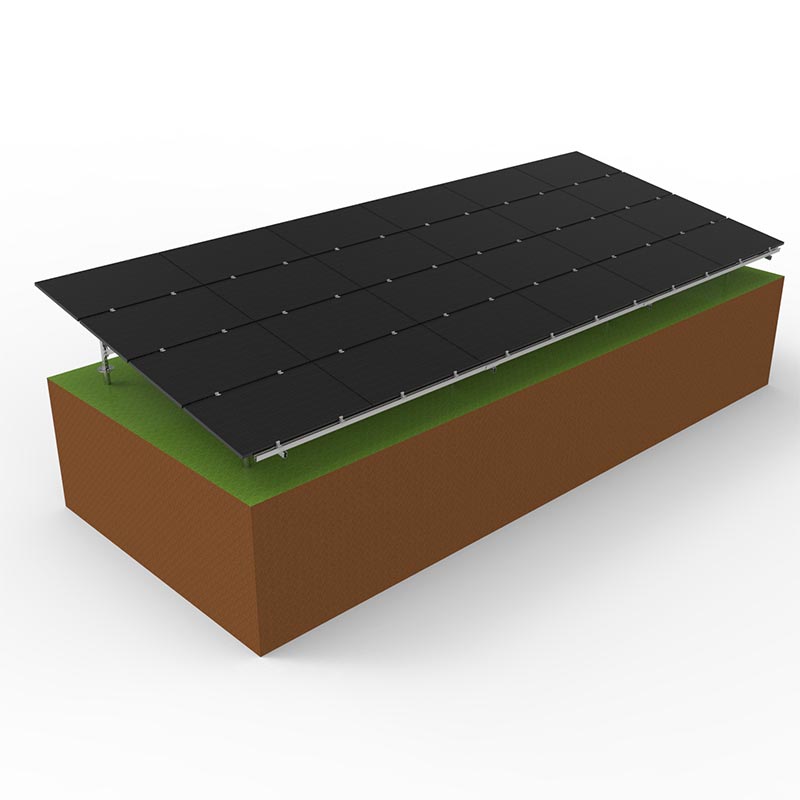
A Solar Ground Mounting System is a structural framework designed to support photovoltaic (PV) panels installed directly on the ground rather than rooftops. This configuration is widely used in large-scale solar farms, commercial installations, and rural energy projects where land availability is sufficient.
Unlike rooftop systems, ground-mounted solutions offer greater flexibility in orientation, tilt angle, and spacing. This allows engineers to optimize solar exposure throughout the year, improving total energy yield. CYC Energy specializes in designing these systems with a focus on structural stability, corrosion resistance, and long-term performance under varying environmental conditions.
-
Higher energy output due to optimized tilt angles
-
Easier maintenance access compared to rooftop systems
-
Scalable for large solar farms
-
Compatible with diverse soil and terrain conditions
2. Key Components
A Solar Ground Mounting System is composed of several engineered components that work together to ensure stability, alignment, and durability.
|
Component
|
Function
|
|
Foundation Piles
|
Anchor the structure into the ground for stability against wind and load stress
|
|
Mounting Rails
|
Support and align solar panels in precise orientation
|
|
Brackets and Clamps
|
Secure PV modules to the frame structure
|
|
Support Columns
|
Provide vertical load-bearing strength
|
|
Anti-corrosion Coating
|
Enhances durability in harsh environmental conditions
|
Each component must be precisely engineered to withstand wind loads, snow loads, and soil variability. CYC Energy integrates high-grade materials such as galvanized steel and aluminum alloys to extend system lifespan.
3. Design Considerations
Designing a Solar Ground Mounting System requires careful evaluation of environmental and engineering factors. Improper design can lead to reduced efficiency, structural failure, or increased maintenance costs.
-
Soil Condition: Determines foundation type (pile-driven, concrete, or screw piles)
-
Wind Load: Critical in open-field installations where wind pressure is higher
-
Snow Load: Important for colder regions requiring reinforced structures
-
Panel Orientation: Optimized for maximum solar irradiation
-
Corrosion Risk: Especially relevant in coastal or humid environments
Engineering teams at CYC Energy perform site-specific analysis to ensure each installation meets structural safety standards and energy performance expectations.
4. Installation Process
The installation of a Solar Ground Mounting System follows a structured workflow that ensures safety, accuracy, and long-term reliability.
-
Site Survey: Evaluation of soil, sunlight exposure, and terrain
-
Foundation Preparation: Installation of piles or concrete bases
-
Frame Assembly: Construction of support structures and rails
-
Panel Mounting: Secure installation of solar modules
-
Electrical Integration: Connection to inverters and power systems
-
System Testing: Performance and safety validation
Proper execution of each step reduces system downtime and ensures optimal energy output. CYC Energy provides technical guidance throughout the installation process to minimize risks and improve deployment efficiency.
5. Cost and Performance Analysis
One of the primary considerations for any solar project is the balance between initial investment and long-term energy yield. Ground-mounted systems typically require higher upfront costs compared to rooftop systems, but they offer significantly better scalability and performance.
|
Factor
|
Ground Mount System
|
Rooftop System
|
|
Installation Cost
|
Higher
|
Lower
|
|
Energy Efficiency
|
Higher due to optimal tilt
|
Moderate
|
|
Maintenance Access
|
Easy
|
Limited
|
|
Scalability
|
Excellent
|
Limited by roof space
|
With proper system design from providers like CYC Energy, return on investment is typically accelerated due to higher energy generation efficiency.
6. Maintenance and Durability
A well-designed Solar Ground Mounting System requires minimal maintenance, but regular inspections are essential to ensure long-term performance.
-
Periodic tightening of structural bolts
-
Inspection of corrosion or coating damage
-
Cleaning of solar panels for dust accumulation
-
Checking alignment and tilt stability
Durability is a key advantage of systems engineered by CYC Energy, as materials are selected specifically to withstand UV exposure, moisture, and mechanical stress over decades of operation.
7. Applications and Use Cases
Solar Ground Mounting Systems are widely used across multiple industries and environments due to their flexibility and efficiency.
-
Utility-scale solar power plants
-
Agricultural solar farms (agrivoltaics)
-
Industrial energy supply systems
-
Remote off-grid power installations
-
Government and infrastructure energy projects
Each application requires tailored engineering solutions. CYC Energy provides customizable mounting structures to meet the demands of different project scales and environmental conditions.
8. Frequently Asked Questions
Q1: What makes ground-mounted systems more efficient?
They allow optimal tilt and orientation, maximizing solar exposure throughout the day and year.
Q2: Are they suitable for all terrains?
Yes, but foundation design must be adapted to soil conditions such as sand, clay, or rocky terrain.
Q3: How long do these systems last?
With proper materials and maintenance, they can last 25 years or more.
Q4: Is installation complex?
It requires engineering expertise, but structured workflows significantly reduce complexity.
Conclusion
A Solar Ground Mounting System is a highly efficient solution for large-scale renewable energy generation. Its adaptability, durability, and performance advantages make it a preferred choice for commercial and utility applications. With precise engineering and high-quality materials, systems delivered by CYC Energy ensure long-term reliability and strong energy output performance across diverse environments.
For customized solutions, engineering support, or project consultation, CYC Energy is ready to assist you in building efficient solar infrastructure for the future.
Contact us today to get started with your Solar Ground Mounting System project and unlock scalable clean energy solutions with CYC Energy.