

How Solar Agriculture Helps Farmers Build a More Sustainable Farming Future
2026-07-24
Article Summary
Solar agriculture is transforming modern farming by combining renewable energy generation with agricultural production. Traditional farming operations often face challenges such as increasing electricity costs, limited land resources, climate uncertainty, and pressure to improve environmental performance. Solar agriculture provides an innovative approach that allows farmers to generate clean energy while maintaining productive farmland.
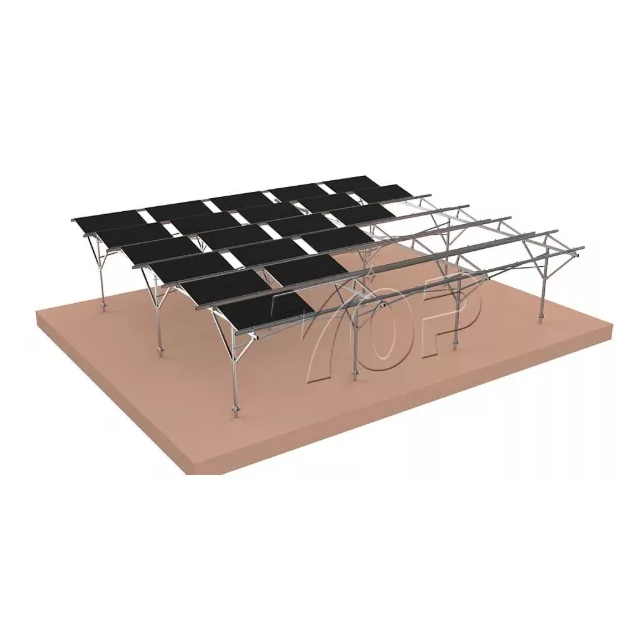
This article explains how solar agriculture works, why it is becoming increasingly important, what challenges farmers may encounter, and how advanced solar solutions from Xiamen Topfencesolar Co., Ltd. can support efficient and sustainable agricultural development. By understanding the benefits, applications, and practical considerations, agricultural businesses can make better decisions when adopting solar-powered farming solutions.
Table of Contents
- 1. What Is Solar Agriculture?
- 2. How Does Solar Agriculture Work?
- 3. What Benefits Can Solar Agriculture Bring to Farmers?
- 4. Main Applications of Solar Agriculture Systems
- 5. Common Challenges When Implementing Solar Agriculture
- 6. How Xiamen Topfencesolar Co., Ltd. Supports Modern Agricultural Energy Needs
- 7. Comparison Between Traditional Farming Energy Use and Solar Agriculture
- 8. Frequently Asked Questions About Solar Agriculture
- 9. Conclusion
1. What Is Solar Agriculture?
Solar agriculture refers to the integration of photovoltaic solar energy systems with agricultural activities. Instead of using farmland only for crop production, solar agriculture creates a dual-purpose approach where land can support both farming and renewable energy generation.
Unlike traditional solar installations that occupy unused land, solar agriculture systems are designed to work together with agricultural environments. Solar panels can be installed above crops, along farm facilities, greenhouses, livestock areas, or agricultural infrastructure to provide electricity while supporting farming operations.
The concept addresses several modern agricultural challenges. Farmers need reliable energy for irrigation systems, greenhouse equipment, storage facilities, and automated farming technologies. Solar agriculture provides a clean and cost-effective energy source that reduces dependence on conventional electricity.
2. How Does Solar Agriculture Work?
Solar agriculture works by using photovoltaic panels to convert sunlight into electricity. The generated power can directly supply agricultural equipment or be stored through battery systems for later use.
A typical solar agriculture system includes several important components:
- Solar Panels: Capture sunlight and convert solar energy into electrical power.
- Mounting Structures: Provide stable support and proper positioning for solar panels.
- Inverters: Convert generated electricity into usable power for farm equipment.
- Energy Storage Systems: Store extra electricity for nighttime or cloudy conditions.
- Monitoring Systems: Track energy production and system performance.
The design of solar agriculture systems must consider agricultural requirements, including crop height, sunlight distribution, weather conditions, and farming activities. Proper planning ensures that solar installations improve energy efficiency without negatively affecting agricultural productivity.
3. What Benefits Can Solar Agriculture Bring to Farmers?
Solar agriculture provides multiple advantages for farmers, agricultural enterprises, and rural communities. It is not only an energy solution but also a long-term investment strategy.
| Benefit | Description |
|---|---|
| Reduced Energy Costs | Solar power helps farmers reduce electricity expenses caused by irrigation, cooling, lighting, and agricultural machinery. |
| Better Land Utilization | Solar installations allow farmland to provide both agricultural output and renewable energy generation. |
| Environmental Protection | Clean solar energy reduces carbon emissions and supports greener farming practices. |
| Energy Independence | Farmers can reduce dependence on unstable electricity prices and external energy suppliers. |
| Support for Smart Farming | Solar power provides reliable electricity for automated irrigation, sensors, and digital agricultural systems. |
For agricultural businesses facing rising operational expenses, solar agriculture offers a practical way to improve profitability while supporting sustainable development.
4. Main Applications of Solar Agriculture Systems
Solar agriculture can be applied in different farming environments depending on production requirements.
- Solar Greenhouses: Solar systems can provide electricity for greenhouse lighting, ventilation, temperature control, and automated management equipment.
- Solar Irrigation Systems: Solar-powered pumps can supply water efficiently for crop fields, reducing fuel and electricity costs.
- Livestock Farming: Solar energy can support animal shelters, ventilation systems, lighting, and monitoring equipment.
- Agricultural Storage Facilities: Solar electricity can power refrigeration systems, warehouses, and processing equipment.
- Agrivoltaic Farming: Solar panels installed above crops create a balanced environment where plants and solar systems operate together.
These applications allow farmers to customize solar solutions according to their specific production conditions.
5. Common Challenges When Implementing Solar Agriculture
Although solar agriculture provides significant advantages, successful implementation requires careful planning and professional system design.
| Challenge | Possible Solution |
|---|---|
| Initial Investment Cost | Select suitable solar structures and plan long-term energy savings to improve investment returns. |
| Weather Conditions | Use durable solar mounting systems designed for different environmental conditions. |
| Crop Compatibility | Design panel layouts that balance sunlight requirements and energy generation. |
| Maintenance Requirements | Choose reliable components and establish regular inspection plans. |
Working with an experienced solar structure manufacturer helps ensure that the system meets agricultural requirements and performs reliably over many years.
6. How Xiamen Topfencesolar Co., Ltd. Supports Modern Agricultural Energy Needs
Xiamen Topfencesolar Co., Ltd. focuses on providing reliable solar mounting solutions designed for different application environments, including agricultural solar projects. With professional experience in solar structure design and manufacturing, the company helps customers develop stable and efficient solar agriculture systems.
Agricultural solar projects require more than standard solar panels. The mounting structure must provide strong support, weather resistance, easy installation, and long-term durability. Xiamen Topfencesolar Co., Ltd. understands these requirements and provides solutions that can adapt to different farming conditions.
The company's solar agriculture solutions are designed to help farmers maximize land value, improve energy efficiency, and create sustainable agricultural operations. Through optimized structural design and quality manufacturing processes, solar systems can achieve better performance in various climates and environments.
- Customized solar mounting solutions for agricultural projects
- Durable structures suitable for outdoor environments
- Professional support for different installation requirements
- Solutions designed for long-term solar system performance
7. Comparison Between Traditional Farming Energy Use and Solar Agriculture
| Aspect | Traditional Farming Energy | Solar Agriculture |
|---|---|---|
| Energy Source | Mainly depends on grid electricity or fossil fuels. | Uses renewable solar energy. |
| Operating Cost | May increase with changing energy prices. | Lower long-term energy expenses. |
| Environmental Impact | Higher carbon emissions. | Cleaner and more sustainable. |
| Energy Security | Depends on external energy supply. | Provides independent energy generation. |
8. Frequently Asked Questions About Solar Agriculture
Q1: Can solar agriculture reduce farming costs?
Yes. Solar agriculture can reduce electricity expenses by providing renewable power for irrigation, lighting, storage, and agricultural equipment.
Q2: Will solar panels affect crop growth?
A properly designed solar agriculture system considers crop sunlight requirements. Many projects use optimized panel spacing and height to maintain suitable growing conditions.
Q3: Is solar agriculture suitable for small farms?
Yes. Solar systems can be customized according to farm size, energy demand, and available installation space.
Q4: How long can solar agriculture systems operate?
With quality components and proper maintenance, solar agriculture systems can provide reliable service for many years.
Q5: Why choose a professional solar mounting supplier?
Professional suppliers provide safer structures, better system compatibility, and customized solutions that improve project reliability.
9. Conclusion
Solar agriculture represents an important development direction for modern farming. By combining renewable energy generation with agricultural production, farmers can reduce energy costs, improve land utilization, and build more sustainable operations.
As agricultural industries continue to adopt smart technologies and environmentally responsible practices, reliable solar mounting solutions become increasingly important. Xiamen Topfencesolar Co., Ltd. provides professional solar agriculture solutions that help customers achieve efficient and durable solar energy applications.
If you are looking for a dependable solar agriculture solution customized for your farming project, please contact us today. Topfencesolar is ready to provide professional support and help you create a smarter, greener, and more efficient agricultural future.