

How Solar Agricultural Mounting Systems Revolutionize Farming
2026-05-12
Summary: Solar agricultural mounting systems are transforming the way modern farms operate, offering a combination of renewable energy production and efficient land use. This article explores the benefits, types, installation considerations, and practical tips for farmers looking to adopt solar mounting solutions. By understanding how these systems work, farmers can reduce energy costs, improve sustainability, and increase overall productivity.
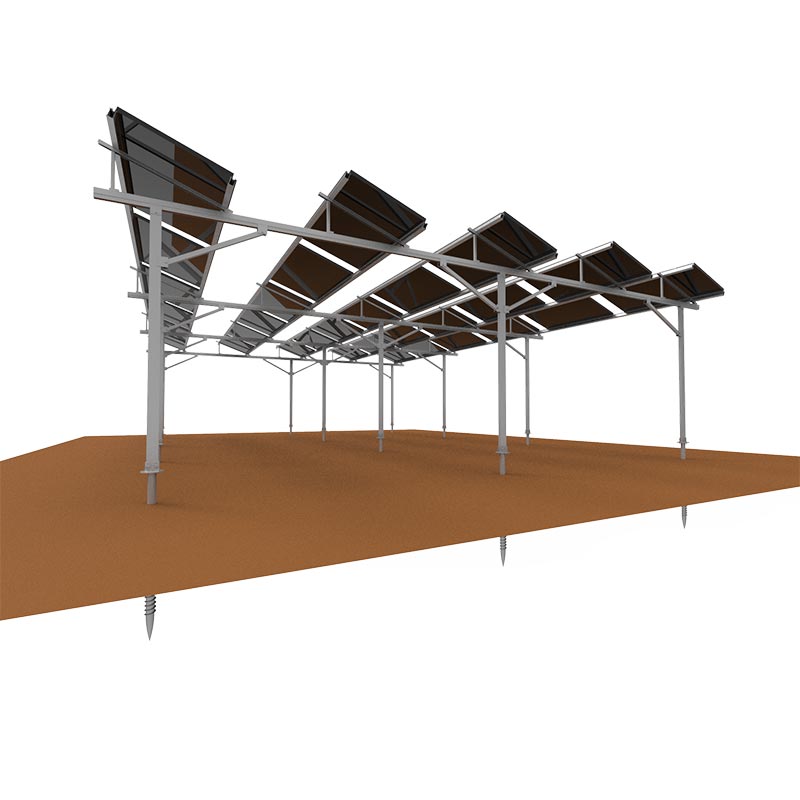
Table of Contents
- What is a Solar Agricultural Mounting System?
- Why Farmers Should Invest in Solar Mounting Systems
- How Solar Agricultural Mounting Systems Work
- Types of Solar Agricultural Mounting Systems
- Installation Considerations
- Maintenance Tips
- FAQ
What is a Solar Agricultural Mounting System?
A solar agricultural mounting system is a structural framework designed to hold solar panels above farmland or agricultural facilities. These systems allow farms to generate renewable electricity while maintaining their core operations, such as crop cultivation or livestock management. By integrating solar energy with agriculture, farmers can achieve energy independence and reduce reliance on fossil fuels.
Key features include:
- Durable materials suitable for outdoor agricultural environments
- Adjustable tilt angles for maximum solar exposure
- Compatibility with different panel types and farm layouts
Why Farmers Should Invest in Solar Mounting Systems
Investing in solar agricultural mounting systems provides multiple advantages for modern farms:
| Benefit | Impact on Farming |
|---|---|
| Cost Savings | Reduces electricity bills by generating on-site renewable energy |
| Environmental Sustainability | Minimizes carbon footprint and promotes eco-friendly practices |
| Land Optimization | Allows dual-use of farmland for energy production and agriculture |
| Energy Independence | Ensures a stable power supply for farm operations |
By installing these systems, farms can also benefit from government incentives for renewable energy, enhancing overall profitability.
How Solar Agricultural Mounting Systems Work
The operation of solar agricultural mounting systems is straightforward but highly effective:
- Panel Placement: Solar panels are mounted on racks above or near farmland.
- Energy Conversion: Panels capture sunlight and convert it into electricity using photovoltaic cells.
- Power Distribution: The generated electricity is either used directly on the farm or stored in batteries for later use.
- Monitoring: Advanced systems include monitoring software to track energy production and optimize performance.
CYC Energy offers solutions that maximize sunlight exposure and minimize shading on crops, ensuring optimal energy generation without compromising farm productivity.
Types of Solar Agricultural Mounting Systems
Farmers can choose from several types of mounting systems depending on land layout and farming needs:
- Fixed Tilt Systems: Panels are mounted at a fixed angle, ideal for regions with consistent sunlight.
- Adjustable Tilt Systems: Tilt angles can be changed seasonally to capture maximum solar energy.
- Tracker Systems: Panels move automatically to follow the sun, offering the highest efficiency.
- Elevated or Agrovoltaic Systems: Panels are raised above crops, allowing for simultaneous energy production and cultivation.
Each type provides specific benefits in terms of energy output, land use, and cost-efficiency.
Installation Considerations
Before installing a solar agricultural mounting system, farmers should consider the following:
- Soil condition and stability for secure mounting
- Optimal panel orientation and spacing to prevent crop shading
- Integration with irrigation and farm machinery
- Compliance with local regulations and grid connection requirements
CYC Energy provides expert consultation to ensure smooth installation and minimal disruption to farming activities.
Maintenance Tips
Maintaining solar agricultural mounting systems is relatively simple, yet essential for long-term efficiency:
- Regular cleaning of panels to remove dust and debris
- Periodic inspection of mounting structures for corrosion or damage
- Monitoring energy output to detect potential issues early
- Ensuring electrical components and connections are in good condition
Routine maintenance helps extend system lifespan and guarantees reliable energy production.
FAQ
Q1: Can solar mounting systems coexist with crop cultivation?
A1: Yes, elevated or agrovoltaic systems allow crops to grow beneath the panels while generating energy.
Q2: What is the lifespan of a solar agricultural mounting system?
A2: With proper maintenance, these systems typically last 20–25 years.
Q3: Are these systems suitable for all farm sizes?
A3: Yes, CYC Energy provides scalable solutions for both small farms and large commercial operations.
Q4: Do solar mounting systems require special permits?
A4: Local regulations vary, but professional installers like CYC Energy help ensure compliance.
Adopting a solar agricultural mounting system is a strategic investment for farmers seeking sustainable energy, cost savings, and enhanced land utilization. CYC Energy offers customized solutions tailored to each farm's unique needs, ensuring maximum efficiency and reliability. Contact us today to learn how your farm can benefit from clean, renewable solar energy.