

How Does Solar Inverter Aging Power Supply Work?
2026-04-16
Article Summary
The Solar Inverter Aging Power Supply is a specialized testing and validation system designed to simulate long-term operational conditions for solar inverters. It ensures that inverters maintain stability, efficiency, and safety over extended periods before being deployed in real-world solar energy systems. This article explains how it works, why it is essential, what problems it solves, and how industries use it to improve product reliability. It also provides technical insights, structured breakdowns, and practical guidance for selection and maintenance.
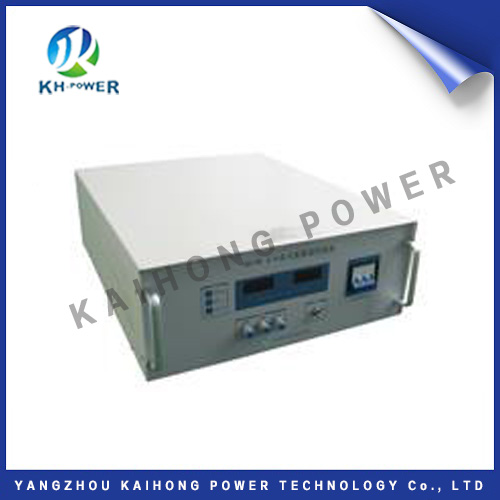
Table of Contents
- 1. Introduction to Solar Inverter Aging Power Supply
- 2. Key Industry Pain Points
- 3. Working Principle Explained
- 4. Core Components Breakdown
- 5. Aging Test Process Workflow
- 6. Technical Parameters Overview
- 7. Industrial Applications
- 8. Key Advantages
- 9. Maintenance & Operational Guidance
- 10. Frequently Asked Questions
- 11. Conclusion & Contact
1. Introduction to Solar Inverter Aging Power Supply
The rapid expansion of photovoltaic systems has placed solar inverters at the core of energy conversion infrastructure. These devices must operate continuously under fluctuating environmental and load conditions. To ensure reliability, manufacturers rely on the Solar Inverter Aging Power Supply, a controlled testing system that simulates long-duration electrical stress.
By reproducing real-world load cycles and thermal conditions, this system helps engineers detect early-stage failures, weak components, and performance degradation patterns before products are released into the market.
2. Key Industry Pain Points
Manufacturers and integrators often face challenges that directly impact product reliability and customer satisfaction. The most common issues include:
- Premature inverter failure after installation
- Inconsistent output efficiency under load variation
- Thermal instability in high-temperature environments
- Component aging not detected during production testing
- High maintenance costs due to unreliable field performance
Without proper aging simulation, these issues often remain hidden until deployment, leading to financial losses and reputational risks.
3. Working Principle Explained
The Solar Inverter Aging Power Supply operates by delivering controlled electrical input to inverters under extended testing conditions. It simulates long-term operation by applying:
- Continuous load cycles
- Dynamic voltage fluctuation
- Thermal stress simulation
- Grid disturbance emulation
Through programmable control systems, engineers can define test parameters such as voltage range, current load, frequency variation, and runtime duration. The system continuously monitors inverter response, recording efficiency drops, waveform distortion, and thermal behavior.
This allows manufacturers to identify degradation trends early and optimize design before mass production.
4. Core Components Breakdown
A typical aging power supply system includes several integrated subsystems:
- Power Conversion Unit: Provides stable and adjustable DC/AC output.
- Programmable Controller: Manages test sequences and simulation logic.
- Load Simulation Module: Mimics real-world inverter load behavior.
- Data Acquisition System: Records voltage, current, and efficiency data.
- Thermal Management System: Maintains safe operating temperatures.
Each component plays a critical role in ensuring testing accuracy and repeatability.
5. Aging Test Process Workflow
The standard testing workflow includes several structured stages:
- Initial calibration of inverter input/output parameters
- Connection to aging power supply system
- Activation of simulated load cycles
- Continuous monitoring of performance metrics
- Data logging and anomaly detection
- Final evaluation and report generation
This systematic approach ensures that every inverter unit is tested under consistent and controlled conditions.
6. Technical Parameters Overview
| Parameter | Typical Range | Description |
|---|---|---|
| Input Voltage | 0–1000V DC | Supports various inverter classes |
| Output Power | 5kW – 500kW | Scalable for industrial testing |
| Efficiency Monitoring | ±0.5% Accuracy | High-precision measurement system |
| Temperature Range | -20°C to 70°C | Environmental simulation capability |
7. Industrial Applications
The Solar Inverter Aging Power Supply is widely used in:
- Photovoltaic inverter manufacturing plants
- Energy storage system testing facilities
- Renewable energy research laboratories
- Quality assurance departments
It is especially critical in large-scale solar deployment projects where system reliability directly impacts energy yield and return on investment.
8. Key Advantages
- Improves inverter lifespan prediction accuracy
- Reduces post-deployment failure rates
- Enhances product certification readiness
- Supports automated batch testing
- Optimizes production quality control workflows
These advantages make it a core asset in modern solar equipment manufacturing.
9. Maintenance & Operational Guidance
To ensure long-term stability of the aging system itself, proper maintenance is required:
- Regular calibration of measurement instruments
- Cooling system inspection and cleaning
- Firmware updates for control modules
- Electrical connection tightening checks
Operators should follow standardized safety procedures to prevent overheating and data drift during extended testing cycles.
10. Frequently Asked Questions
Q1: Why is aging testing necessary for solar inverters?
It ensures long-term reliability by simulating years of operation in a compressed timeframe.
Q2: How long does a typical aging test last?
Depending on specifications, it can range from several hours to multiple weeks.
Q3: Can the system simulate grid instability?
Yes, advanced systems replicate voltage spikes, frequency changes, and load fluctuations.
Q4: Is it suitable for all inverter sizes?
Yes, scalable configurations support both residential and industrial inverters.
Q5: What data is collected during testing?
Voltage, current, efficiency, thermal behavior, and failure events are continuously recorded.
11. Conclusion & Contact
The Solar Inverter Aging Power Supply is an essential tool in ensuring the reliability and performance stability of solar inverter systems. By replicating real-world operational stress in a controlled environment, it enables manufacturers to improve design quality, reduce failure risks, and enhance long-term energy system performance.
Yangzhou Kaihong Power Technology Co., LTD. is committed to delivering advanced testing and power simulation solutions tailored for the evolving renewable energy industry. Our engineering expertise ensures precise, stable, and efficient aging test systems for global clients.
For customized solutions, technical consultation, or partnership opportunities, please contact us today. We are ready to support your next project with professional engineering services and reliable power testing systems — contact us now to get started.