

How Does Flat Roof Solar Panel Mounting Work?
2026-06-16
Abstract
Flat roof solar installations require a specialized mounting structure to ensure structural stability, waterproof protection, and optimal energy yield. Unlike pitched roof systems, flat roof solar panel mounting relies on weighted or anchored frameworks that maintain tilt angle, resist wind uplift, and protect roof integrity. This article explains how flat roof solar panel mounting systems work, their components, installation process, design considerations, and common challenges. It also provides practical guidance for selecting the right system for commercial and residential applications.
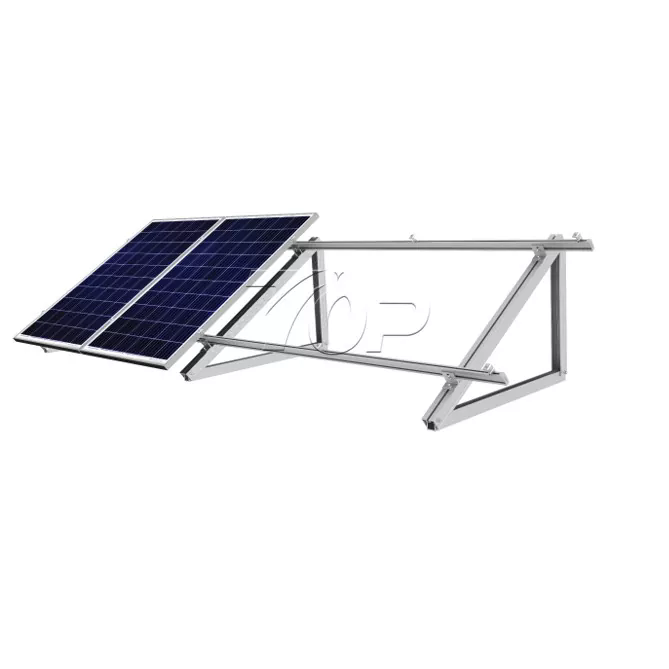
Table of Contents
- Outline
- 1. Understanding Flat Roof Solar Panel Mounting Systems
- 2. Key Components of the Mounting Structure
- 3. Installation Process Explained
- 4. Design and Engineering Considerations
- 5. Common Challenges and Pain Points
- 6. Mounting Types Comparison Table
- 7. Maintenance and Long-Term Performance
- 8. Frequently Asked Questions
- Conclusion
Outline
- Introduction to flat roof solar structures
- System types and working principles
- Structural components and materials
- Installation workflow step-by-step
- Wind load, waterproofing, and tilt optimization
- Common installation mistakes and mitigation
- Comparison of mounting solutions
- Long-term maintenance requirements
- Frequently asked questions and solutions
- Final insights and supplier reference
1. Understanding Flat Roof Solar Panel Mounting Systems
Flat roof solar panel mounting systems are engineered support structures designed to securely hold photovoltaic modules on low-slope or completely flat surfaces. Since flat roofs do not naturally provide an angle for sunlight exposure, the mounting system must create an artificial tilt while maintaining stability against wind uplift and environmental loads.
These systems are widely used in commercial buildings, warehouses, factories, and residential complexes. Their flexibility allows installers to optimize orientation without being constrained by roof geometry.
2. Key Components of the Mounting Structure
A typical flat roof solar mounting system consists of several integrated components that work together to ensure durability and performance:
- Mounting Rails: Aluminum or galvanized steel rails that support solar panels.
- Ballast Blocks: Concrete weights used in non-penetrating systems.
- Clamps: Mid and end clamps to secure panels to rails.
- Base Frames: Triangular or adjustable tilt structures.
- Roof Protection Mats: Rubber layers to prevent membrane damage.
- Fasteners: Stainless steel bolts and connectors.
Each component is selected based on wind zone classification, roof material, and system load requirements.
3. Installation Process Explained
The installation of a flat roof solar panel mounting system follows a structured engineering process designed to ensure safety and performance:
- Site Assessment: Roof load capacity, shading analysis, and structural review.
- System Layout Design: Optimizing panel orientation and spacing.
- Roof Preparation: Cleaning and installing protective layers.
- Mounting Assembly: Positioning ballast or anchors and assembling frames.
- Panel Installation: Fixing solar modules using clamps and rails.
- Electrical Integration: Connecting wiring to inverters.
- Final Inspection: Checking torque, alignment, and safety compliance.
Each step must be executed with precision to avoid long-term structural or electrical issues.
4. Design and Engineering Considerations
Designing a flat roof solar mounting system involves balancing multiple engineering factors:
- Wind Load Resistance: Systems must withstand uplift forces during storms.
- Roof Integrity: Avoiding penetration when possible to prevent leaks.
- Tilt Angle Optimization: Enhancing solar exposure while maintaining stability.
- Drainage Compatibility: Ensuring water flow is not obstructed.
- Weight Distribution: Preventing localized stress on roof membranes.
Poor design can result in structural failure, energy loss, or roof damage, making engineering precision essential.
5. Common Challenges and Pain Points
While flat roof solar systems are highly efficient, they come with several installation challenges:
- Risk of roof leakage in poorly sealed penetrations
- Limited roof load-bearing capacity
- Wind uplift in high-exposure areas
- Ballast weight limitations on older buildings
- Shading caused by adjacent panel rows
These challenges can be mitigated through proper engineering design, high-quality materials, and adherence to installation standards.
6. Mounting Types Comparison Table
| Mounting Type | Roof Penetration | Wind Resistance | Installation Speed | Best Application |
|---|---|---|---|---|
| Ballasted System | No | Medium | Fast | Commercial flat roofs |
| Anchored System | Yes | High | Moderate | High wind zones |
| Hybrid System | Partial | Very High | Moderate | Industrial installations |
7. Maintenance and Long-Term Performance
Flat roof solar mounting systems require periodic inspection to ensure long-term efficiency and safety. Maintenance typically includes:
- Checking bolt tightness and clamp integrity
- Inspecting ballast displacement
- Cleaning debris under panels
- Evaluating roof membrane condition
- Monitoring corrosion on metal parts
Regular maintenance ensures consistent energy output and prevents structural degradation over time.
8. Frequently Asked Questions
Q1: Can flat roof solar mounting damage the roof?
A properly engineered system with protective layers and correct load distribution will not damage the roof.
Q2: What is the best mounting type for flat roofs?
Ballasted systems are most common, but anchored systems are preferred in high-wind regions.
Q3: How long does installation usually take?
Depending on system size, installation may take from a few days to several weeks.
Q4: Do these systems require frequent maintenance?
Minimal maintenance is required, but periodic inspection is essential for safety and performance.
Conclusion
Flat roof solar panel mounting systems are a critical component of modern photovoltaic infrastructure. Their ability to adapt to flat surfaces while ensuring structural safety and energy efficiency makes them widely adopted in commercial and industrial applications. Proper design, quality materials, and precise installation are essential to achieving long-term performance and reliability.
Xiamen Topfencesolar Co., Ltd. provides engineered flat roof solar mounting solutions designed for durability, safety, and optimized energy output across diverse environmental conditions.
For professional guidance, customized system design, and product support, please feel free to contact us for more detailed solutions tailored to your project requirements.