

How Does Agricultural Shade Net Improve Crop Growth Efficiency?
2026-03-03
Article Summary
Agricultural shade net is a critical protective material widely used in modern farming to regulate sunlight, temperature, and microclimate conditions. This comprehensive guide explains how agricultural shade net works, how to select the right specifications, and how it addresses common challenges faced by growers. By understanding material structure, shading rates, application methods, and long-term performance, agricultural producers can significantly improve crop yield, quality, and sustainability.
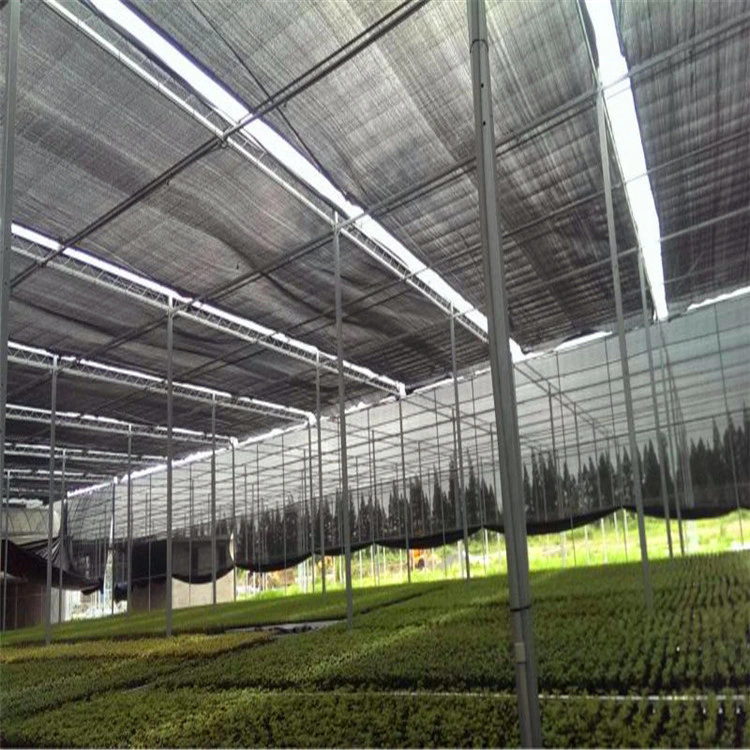
Table of Contents
- Article Outline
- Agricultural Shade Net Overview
- Key Challenges in Crop Protection
- How Agricultural Shade Net Works
- Types and Shading Rates
- How to Choose the Right Shade Net
- Shade Net Specification Table
- Installation and Usage Guidelines
- Long-Term Benefits
- Frequently Asked Questions
- Conclusion and Contact Us
Article Outline
- Definition and role of agricultural shade net
- Common agricultural pain points
- Performance mechanisms and protection principles
- Product classification and technical parameters
- Selection strategy based on crops and climate
- Installation, maintenance, and lifespan
- Practical benefits and application scenarios
Agricultural Shade Net Overview
Agricultural shade net is a knitted or woven mesh fabric designed to control light intensity, reduce heat stress, and protect crops from adverse environmental conditions. It is commonly manufactured from high-density polyethylene materials with ultraviolet stabilization to ensure durability under prolonged outdoor exposure.
Shade nets are widely used in open fields, greenhouses, nurseries, orchards, and livestock areas. By moderating sunlight and airflow, agricultural shade net creates a stable microclimate that supports healthier plant development and more predictable harvest outcomes. Yisen focuses on delivering shade net products engineered for consistent performance across different agricultural systems.
Key Challenges in Crop Protection
Farmers and growers face multiple environmental challenges that directly impact crop productivity and quality.
- Excessive sunlight causing leaf burn and dehydration
- High temperatures leading to heat stress
- Uneven light distribution affecting crop uniformity
- Damage from wind, hail, or birds
- Increased water evaporation and irrigation costs
Without proper protection, these factors can result in reduced yields, lower market value, and unstable production cycles.
How Agricultural Shade Net Works
Agricultural shade net functions by filtering and diffusing sunlight before it reaches crops. Instead of blocking light completely, the net reduces radiation intensity while maintaining sufficient photosynthetically active light.
At the same time, the mesh structure promotes air circulation, preventing heat accumulation and reducing humidity-related plant diseases. The net also acts as a physical barrier against pests and environmental debris, further enhancing crop protection.
Types and Shading Rates
Agricultural shade nets are available in different shading percentages and structural designs to match specific crop requirements.
- 30%–40% shading for light-sensitive vegetables
- 50%–60% shading for general horticulture
- 70%–80% shading for nurseries and seedlings
- Custom shading rates for specialized crops
Color options such as black, green, white, or aluminized also influence light diffusion and temperature control.
How to Choose the Right Shade Net
Selecting the appropriate agricultural shade net requires a clear understanding of crop type, climate conditions, and production goals.
- Crop light tolerance and growth stage
- Regional temperature and solar intensity
- Installation structure and coverage area
- Expected service life and durability needs
- Maintenance and replacement considerations
Yisen offers technical support to help customers identify the most suitable shade net specifications for their agricultural operations.
Shade Net Specification Table
| Shading Rate | Recommended Crops | Key Benefits | Typical Applications |
|---|---|---|---|
| 30%–40% | Leafy vegetables | Light balance | Open-field farming |
| 50%–60% | Flowers, fruits | Heat reduction | Greenhouses |
| 70%–80% | Seedlings | Strong protection | Nurseries |
Installation and Usage Guidelines
Proper installation ensures optimal performance and extends the service life of agricultural shade net.
- Maintain appropriate tension to avoid sagging
- Ensure secure fastening to support structures
- Adjust shading coverage based on seasonal needs
- Inspect regularly for damage or wear
Long-Term Benefits
The consistent use of agricultural shade net delivers measurable long-term advantages.
- Improved crop yield and uniformity
- Reduced water consumption
- Lower risk of environmental damage
- Enhanced crop quality and market value
- More predictable production planning
Frequently Asked Questions
How long does agricultural shade net last?
With proper installation and UV stabilization, shade nets can last several growing seasons.
Can shade net be reused?
Yes, most agricultural shade nets are designed for repeated use with proper storage.
Does shade net affect crop growth speed?
By reducing stress, shade nets often promote healthier and more consistent growth.
Is shade net suitable for all climates?
Different shading rates are available to match various climate conditions.
Conclusion and Contact Us
Agricultural shade net is a practical and effective solution for managing environmental stress in modern agriculture. By selecting the right shading rate, material quality, and installation method, growers can protect crops, improve efficiency, and achieve stable production outcomes.
Yisen is dedicated to providing durable and adaptable agricultural shade net solutions for professional farming applications. If you are looking to optimize crop protection and improve growing conditions, contact us today to learn how Yisen can support your agricultural projects with reliable shade net products.