

How Does a UPS Battery Protect Critical Equipment During Power Failures?
2026-03-06
Article Summary
Power interruptions can cause severe disruptions for businesses, data centers, hospitals, and industrial facilities. A UPS battery plays a crucial role in maintaining uninterrupted electrical supply when the main power source fails. By providing immediate backup energy, UPS batteries prevent equipment shutdowns, protect sensitive electronics, and ensure operational continuity.
This comprehensive guide explains how UPS batteries work, what problems they solve, and how to choose the right battery for reliable backup power systems. It also explores different battery technologies, performance considerations, maintenance practices, and application scenarios. Understanding these factors helps organizations minimize downtime, reduce equipment risks, and improve power stability.
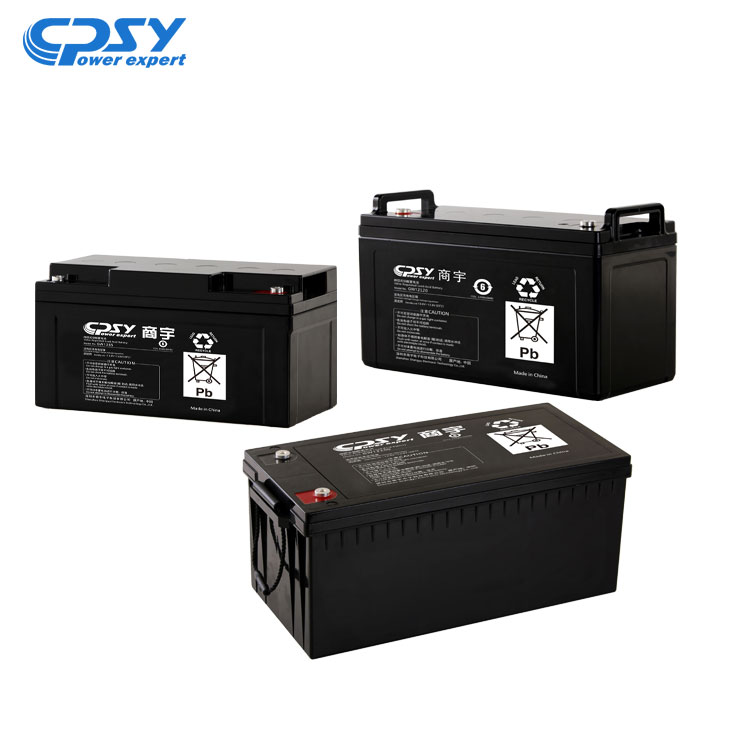
Table of Contents
- UPS Battery Overview
- Common Power Backup Challenges
- How UPS Batteries Work
- Types of UPS Batteries
- How to Choose the Right UPS Battery
- UPS Battery Technology Comparison
- Maintenance and Performance Optimization
- Typical Industry Applications
- Frequently Asked Questions
- Conclusion
UPS Battery Overview
A UPS battery is a key component of an Uninterruptible Power Supply system. Its primary function is to provide temporary backup power during electrical outages or fluctuations. When the main power supply fails, the UPS battery instantly delivers stored energy to connected equipment, ensuring continuous operation without interruption.
Unlike generators that require startup time, UPS batteries respond within milliseconds. This instant response prevents data loss, hardware damage, and unexpected shutdowns. For critical infrastructure such as servers, telecommunications systems, and medical equipment, a UPS battery serves as the first line of defense against power instability.
Modern UPS battery systems are designed to provide stable voltage output, reliable discharge performance, and long service life. Manufacturers such as Guangdong Yili High-tech Co., Ltd. focus on improving energy density, cycle durability, and safety to meet the increasing demand for dependable backup power solutions.
Common Power Backup Challenges
Many organizations face recurring issues related to unstable electricity supply. Without a properly designed UPS battery system, these challenges can lead to financial losses and operational disruptions.
- Unexpected system shutdowns during power outages
- Loss of critical data and application processes
- Damage to sensitive electronic equipment
- Production delays in manufacturing facilities
- Network downtime affecting communication systems
- Safety risks in hospitals and laboratories
UPS batteries help eliminate these risks by stabilizing power delivery and maintaining continuous operation until normal electricity is restored or a generator takes over.
How UPS Batteries Work
A UPS system continuously monitors incoming electrical power. When voltage drops or power fails entirely, the system automatically switches to battery mode.
The working process typically includes the following stages:
- Power Monitoring: The UPS constantly checks the quality and stability of incoming electricity.
- Instant Switching: If power interruption occurs, the inverter draws energy from the UPS battery.
- Energy Conversion: Stored DC power in the battery is converted into AC power for connected equipment.
- Temporary Operation: Devices continue functioning until the main power supply returns or an alternate power source starts.
This seamless transition ensures there is no disruption to critical operations, which is particularly important in environments where even a few seconds of downtime can cause serious consequences.
Types of UPS Batteries
Several types of batteries are commonly used in UPS systems. Each technology offers different advantages depending on the application.
- Valve-Regulated Lead-Acid (VRLA) – Widely used due to reliability and cost efficiency.
- Lithium-Ion Batteries – High energy density and longer lifespan.
- Flooded Lead-Acid Batteries – Suitable for large industrial installations.
- Nickel-Cadmium Batteries – Excellent performance in extreme temperatures.
Selecting the appropriate battery type depends on runtime requirements, available installation space, maintenance capability, and operational conditions.
How to Choose the Right UPS Battery
Choosing the correct UPS battery requires careful evaluation of several technical factors.
- Required backup runtime
- Power capacity of connected equipment
- Battery lifecycle and replacement frequency
- Operating temperature conditions
- Maintenance requirements
- Available installation space
High-quality manufacturers such as Guangdong Yili High-tech Co., Ltd. provide customized UPS battery configurations to match different operational requirements, ensuring optimal system reliability.
UPS Battery Technology Comparison
| Battery Type | Key Advantages | Typical Lifespan | Common Applications |
|---|---|---|---|
| VRLA Lead-Acid | Low cost, reliable performance | 3–5 years | Small and medium UPS systems |
| Lithium-Ion | High energy density, long lifespan | 8–15 years | Data centers and telecom systems |
| Flooded Lead-Acid | High capacity for large installations | 10–15 years | Industrial backup power systems |
| Nickel-Cadmium | Extreme temperature resistance | 15–20 years | Harsh industrial environments |
Maintenance and Performance Optimization
Regular maintenance is essential to ensure UPS batteries remain reliable over time. Even high-quality batteries can experience performance degradation if they are not properly maintained.
- Conduct periodic battery health inspections
- Monitor voltage and internal resistance
- Maintain proper temperature conditions
- Replace aging battery modules promptly
- Keep battery terminals clean and secure
Implementing preventive maintenance programs helps extend battery life and ensures the UPS system operates effectively when emergencies occur.
Typical Industry Applications
UPS battery systems are widely used in many sectors where reliable power supply is essential.
- Data centers and cloud computing infrastructure
- Telecommunications networks
- Healthcare facilities and medical equipment
- Industrial automation systems
- Financial institutions and banking systems
- Transportation control systems
In these environments, power interruptions can result in service disruption, safety hazards, and significant economic losses. Reliable UPS battery solutions help ensure operational stability.
Frequently Asked Questions
How long can a UPS battery provide backup power?
The runtime depends on battery capacity and the total load connected to the UPS system. Backup duration typically ranges from several minutes to over an hour.
How often should UPS batteries be replaced?
Most lead-acid UPS batteries require replacement every three to five years, while lithium-ion batteries can last significantly longer.
What causes UPS battery failure?
Common causes include high operating temperatures, improper charging, aging components, and lack of maintenance.
Can UPS batteries be expanded for longer runtime?
Yes. Many UPS systems allow additional battery modules to be connected in order to increase backup duration.
Conclusion
UPS batteries are essential for protecting critical equipment from unexpected power interruptions. By delivering instant backup energy, they prevent downtime, protect valuable data, and maintain operational continuity across many industries.
Selecting the right UPS battery technology, ensuring proper installation, and implementing regular maintenance practices are key steps in building a reliable power protection system.
Guangdong Yili High-tech Co., Ltd. specializes in high-performance UPS battery solutions designed for stability, safety, and long service life. If you are looking for dependable backup power systems or need assistance selecting the right UPS battery configuration, contact us today to discuss your requirements and discover professional energy storage solutions tailored to your business.