

How Does a Solar Lantern Work to Solve Your Lighting Needs?
2026-02-06
Abstract: Solar lanterns have become essential tools for outdoor enthusiasts, emergency-preparedness planners, and eco-conscious consumers. This article explains how solar lantern technology operates, why it matters, guides on selecting the right lantern, and answers common questions to help you make informed decisions. With practical insights and clear explanations, you’ll discover how solar lanterns can solve key pain points related to lighting in both everyday and exceptional situations.
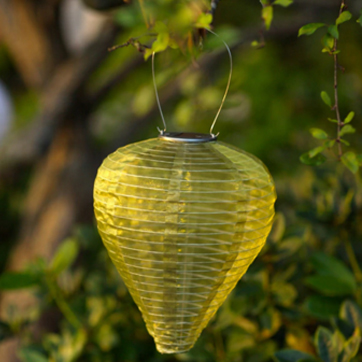
Table of Contents
Introduction to Solar Lanterns
Solar lanterns combine renewable energy capture and lighting in a compact solution. They leverage sunlight to generate electricity, store energy, and power LEDs without the need for grid power or disposable fuel sources. As portable and reliable light sources, solar lanterns are increasingly used in camping, backyard gatherings, emergency kits, and off-grid living.
Understanding how they function and how they address specific challenges helps you choose a solution that truly fits your needs. Whether you’re seeking sustainable alternatives or need dependable lighting when conventional power fails, solar lanterns provide compelling advantages.
How Solar Lanterns Work
At their core, solar lanterns operate through a combination of photovoltaic conversion, energy storage, and efficient light emission. The key components include:
- Solar Panel: Converts sunlight into electrical energy.
- Rechargeable Battery: Stores energy generated by the solar panel for use when sunlight is unavailable.
- LED Light Source: Uses stored energy to produce bright, long-lasting illumination.
- Controller/Chip: Manages charging and discharging to protect the battery and optimize performance.
The sequence is straightforward: sunlight hits the solar panel during the day, generating energy that charges the battery. When darkness falls or when light is needed, the LEDs draw power from the battery to provide illumination. Simple controls allow users to turn the lantern on/off or switch light modes.
Key Benefits of Solar Lanterns
- Eco-Friendly: Solar lanterns use renewable energy with zero emissions during operation.
- Low Operating Cost: Once purchased, there’s no cost for fuel or electricity to operate the lantern.
- Portability: Lightweight and compact, ideal for outdoor adventures.
- Reliable in Emergencies: Works independently of the grid during blackouts or disasters.
- Low Maintenance: Batteries and LEDs typically require minimal upkeep.
Common Lighting Pain Points and Solar Solutions
Many people encounter similar challenges when seeking lighting solutions. Solar lanterns address these in practical ways:
| Lighting Pain Point | Solar Lantern Solution |
|---|---|
| Unreliable grid power | Independent, sunlight-powered operation |
| High fuel or electricity costs | No recurring energy cost |
| Darkness during outdoor activities | Portable lighting ready anytime |
| Environmental concern | Uses clean, renewable energy |
| Difficult maintenance | Simple design with durable LEDs |
How to Select the Right Solar Lantern
It’s important to match your requirements with the right features when choosing a solar lantern. Consider the following criteria:
- Brightness (Lumens): Determines the intensity of light. Higher lumens for campsite lighting; lower lumens suffice for ambient illumination.
- Battery Capacity (mAh): Larger batteries store more energy for longer lighting periods at night.
- Solar Panel Efficiency: Quality panels charge faster and perform better in lower sunlight.
- Durability & Weatherproofing: For outdoor use, ensure IP ratings for water and dust resistance.
- Modes & Controls: Lanterns with multiple lighting modes (high, low, SOS) provide versatility.
By evaluating these aspects, you can find a lantern that aligns with intended use, whether for backup, camping, or daily outdoor enjoyment.
Solar Lantern Features Comparison
| Feature | Basic Solar Lantern | Advanced Solar Lantern |
|---|---|---|
| Brightness (Lumens) | 50–150 | 150–500+ |
| Battery Capacity | 1500–3000 mAh | 3000–10000+ mAh |
| Charging Time | 6–10 hours | 4–8 hours |
| Water Resistance | IPX3–IPX4 | IPX5–IPX7 |
| Modes | Single/Low | Multi (High/Low/SOS) |
Frequently Asked Questions
The runtime depends on battery capacity, LED efficiency, and light mode used. Higher-capacity batteries and efficient LEDs deliver longer runtime, especially on lower light settings.
Yes. Although cloudy conditions reduce energy generation, quality solar panels still capture diffused light. Full charging may take longer, but stored energy can still power the lantern.
Many models offer replaceable batteries, though some use integrated rechargeable cells. Check product specifications if long-term battery serviceability is important.
If the lantern has adequate weather resistance (IP rating), it can withstand outdoor conditions. However, avoid extreme elements to prolong lifespan.
Minimal maintenance is needed. Keep solar panels clean and ensure battery health by regular use and charging cycles.
Conclusion & Contact
Solar lanterns offer clean, reliable, and cost-effective lighting solutions for a variety of scenarios. From everyday outdoor illumination to critical emergency preparedness, these devices address key challenges associated with traditional lighting. When selecting a solar lantern, consider brightness, battery capacity, and durability to ensure your choice aligns with your needs.
For advanced solar lantern solutions designed for long-lasting performance and dependable lighting, explore the range offered by Landsign. If you have specific questions or need personalized recommendations, contact us today to find the ideal solar lighting solution for your situation.