

How Does a Solar Ground Mounting System Work?
2026-02-04
Article Overview: This blog explores the fundamentals of solar ground mounting systems, addressing common concerns for residential, commercial, and utility-scale solar installations. You will learn about what these systems are, key benefits and trade-offs, design considerations, types, and how to choose the right solution for your project.
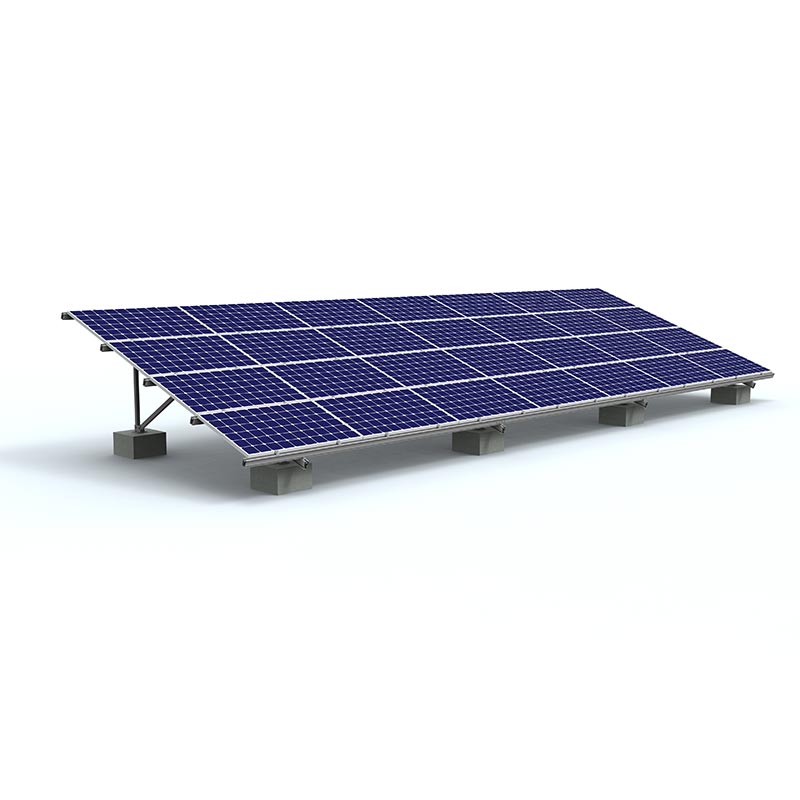
Table of Contents
- What Is a Solar Ground Mounting System?
- Key Benefits of Ground Mount Solar
- Installation and Site Considerations
- Types of Solar Ground Mounting Systems
- Ground Mount vs Roof Mount
- Frequently Asked Questions
- Conclusion & Next Steps
What Is a Solar Ground Mounting System?
A solar ground mounting system is a structural framework installed directly on land to support photovoltaic (PV) panels. Unlike roof-mounted solutions, this system anchors panels at ground level, using foundations, piles, or ground screws to secure the array. It is typically used where open land is available for solar installations, from residential plots to large utility solar farms. :contentReference[oaicite:0]{index=0}
These systems serve as the “skeleton” of the installation — they provide stable, long-lasting support and ensure that panels are oriented at optimal angles to maximize sunlight capture throughout the day. :contentReference[oaicite:1]{index=1}
Key Benefits of Ground Mount Solar
Solar ground mounting systems offer multiple advantages that can directly address common pain points for property owners and project developers:
- Optimal Sun Exposure: Panels can be positioned at ideal tilt and orientation angles for maximum energy production. :contentReference[oaicite:2]{index=2}
- Better Cooling and Efficiency: Elevated airflow around ground-mounted arrays reduces panel temperature, which improves long-term performance. :contentReference[oaicite:3]{index=3}
- Ease of Maintenance: Ground-level access simplifies cleaning, inspection, and repairs compared to rooftop systems. :contentReference[oaicite:4]{index=4}
- Scalability: Expanding a ground mount array is often easier, making it a great choice for growing energy needs. :contentReference[oaicite:5]{index=5}
- Flexibility in Site Selection: These systems can adapt to flat, sloped, or uneven terrain, unlocking more potential installation sites. :contentReference[oaicite:6]{index=6}
| Benefit Category | What It Solves |
|---|---|
| Energy Output | Maximizes sunlight capture across seasons |
| Accessibility | Reduces cost and safety risk for maintenance |
| Expansion | Supports future system growth |
| Site Adaptability | Works on challenging landscapes |
Installation and Site Considerations
Installing a ground mount solution requires assessing several key factors in order to ensure structural integrity and performance:
- Soil Conditions: The type of soil determines the foundation needed — soft soil may require ground screws, while harder substrates might require pile drivers or concrete footings. :contentReference[oaicite:7]{index=7}
- Wind and Snow Loads: Local climate data influences the design strength of support frames and anchoring systems. :contentReference[oaicite:8]{index=8}
- Site Topography: Sloped or uneven land requires tailored engineering to maintain panel orientation and avoid shading. :contentReference[oaicite:9]{index=9}
- Permitting and Regulations: Some jurisdictions require permits for ground installations, especially larger projects. :contentReference[oaicite:10]{index=10}
Types of Solar Ground Mounting Systems
Ground mounting solutions vary depending on foundation style and mechanical design:
- Concrete Foundation Systems: Use poured concrete bases to provide a robust, long-lasting anchor.
- Ground Screw Foundation Systems: Helical screws are driven into soil for quick installation and minimal disturbance. :contentReference[oaicite:11]{index=11}
- Pile Foundation Systems: Steel or timber piles provide strength for large installations or difficult soils. :contentReference[oaicite:12]{index=12}
The choice of system depends on project scale, environmental conditions, and budget constraints.
Ground Mount vs Roof Mount
When evaluating installation options, many owners compare ground mount systems with rooftop alternatives:
- Ground Mount Pros: Greater flexibility in panel positioning, easier maintenance, and scalability. :contentReference[oaicite:13]{index=13}
- Ground Mount Cons: Generally higher initial cost and land use requirements. :contentReference[oaicite:14]{index=14}
- Roof Mount Pros: Lower initial infrastructure cost and utilizes existing structures. :contentReference[oaicite:15]{index=15}
- Roof Mount Cons: Limited orientation options, potential roof damage, and more challenging maintenance. :contentReference[oaicite:16]{index=16}
Frequently Asked Questions
What makes a ground mount system different from rooftop solar?
Ground mount systems are installed on land using dedicated support structures, providing more flexibility for positioning and access, whereas rooftop systems attach directly to an existing roof surface. :contentReference[oaicite:17]{index=17}
Is a ground mounting system more efficient?
Yes — because you can adjust tilt and orientation optimally for local sun patterns, ground mounts often achieve higher energy yield than rooftop installations. :contentReference[oaicite:18]{index=18}
Can ground mount systems be expanded later?
Most ground mount designs support easy expansion, allowing additional panels to be added to increase energy production. :contentReference[oaicite:19]{index=19}
What are the main cost factors?
Foundation work, framing materials, and site preparation typically drive the cost. Land availability and permitting can also impact the overall investment. :contentReference[oaicite:20]{index=20}
Conclusion & Next Steps
Selecting the right solar mounting approach is a critical decision for successful renewable energy deployment. A ground mount solution unlocks greater flexibility, ease of maintenance, and long-term performance for many projects. Whether you are planning a residential system or a large utility farm, ensure your design considers soil conditions, environmental loads, and potential future expansion.
If you are ready to explore high-quality options, consider solutions from CYC Energy, a trusted manufacturer with a range of solar ground mounting systems engineered for durability and performance. Contact us today to discuss how we can support your project and provide a tailored ground mount solution. Contact us for a consultation or quote.