

How Does a Solar Ground Mounting System Support Long-Term Photovoltaic Deployment?
2026-01-07
Abstract
A Solar Ground Mounting System is a foundational component in utility-scale and commercial photovoltaic installations, enabling stable, scalable, and terrain-adaptive solar energy deployment. This article examines how ground-mounted solar structures are engineered, configured, and optimized for diverse environments. It provides a structured overview of system parameters, installation logic, and industry-standard considerations while addressing frequently asked technical questions.
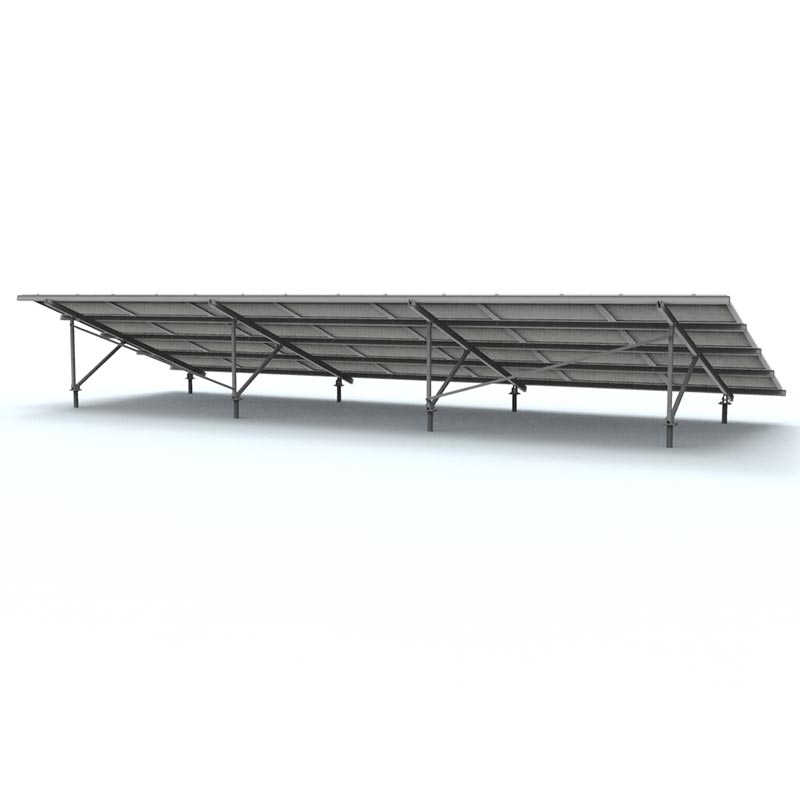
Table of Contents
- 1. How Is a Solar Ground Mounting System Designed for Structural Stability?
- 2. How Do System Parameters Define Performance and Compatibility?
- 3. How Does a Solar Ground Mounting System Adapt to Different Project Scenarios?
- 4. How Will Ground Mounting Systems Evolve with Solar Industry Development?
Outline
- Introduction and system overview
- Engineering structure and load logic
- Key technical parameters and specifications
- Application environments and configuration models
- Frequently asked questions and technical clarifications
- Industry outlook and manufacturer perspective
1. How Is a Solar Ground Mounting System Designed for Structural Stability?
A Solar Ground Mounting System refers to a steel or aluminum support structure that anchors photovoltaic modules directly to the ground rather than rooftops or building-integrated frameworks. These systems are commonly deployed in solar farms, industrial parks, agricultural land, and remote energy projects where space availability and tilt optimization are critical.
Structural stability is achieved through a combination of foundation selection, material engineering, and aerodynamic layout. Depending on soil conditions and project scale, foundations may include driven piles, ground screws, concrete footings, or ballast-based solutions. Each option is selected based on geotechnical surveys, frost depth, and wind exposure.
From an engineering standpoint, load paths are clearly defined. Vertical loads from photovoltaic modules transfer through rails and beams into posts and ultimately into the ground. Lateral loads, primarily from wind, are mitigated through bracing systems and optimized row spacing. Corrosion resistance is addressed through hot-dip galvanization or anodized aluminum treatments, ensuring durability over multi-decade service periods.
2. How Do System Parameters Define Performance and Compatibility?
Technical parameters are central to evaluating a Solar Ground Mounting System’s suitability for a specific project. These parameters ensure compatibility with photovoltaic modules, inverters, and site conditions while meeting international standards.
Below is a consolidated overview of commonly referenced system parameters used in professional procurement and design stages.
| Parameter Category | Specification Range | Technical Notes |
|---|---|---|
| Material Type | Q235B Steel / Aluminum Alloy 6005-T5 | Selected based on load, corrosion class, and lifecycle cost |
| Surface Treatment | Hot-Dip Galvanized ≥ 65μm / Anodized ≥ 10μm | Ensures long-term resistance to environmental exposure |
| Installation Angle | 5°–35° Adjustable or Fixed | Optimized for latitude and energy yield |
| Wind Load | Up to 60 m/s | Calculated per ASCE 7 / EN 1991 standards |
| Snow Load | Up to 2.0 kN/m² | Relevant for cold and alpine regions |
| Foundation Type | Pile Driven / Ground Screw / Concrete | Determined by soil bearing capacity |
These parameters collectively define system performance. A well-matched configuration reduces installation time, enhances structural safety, and simplifies long-term maintenance planning.
3. How Does a Solar Ground Mounting System Adapt to Different Project Scenarios?
Adaptability is a defining characteristic of ground-mounted solar structures. Unlike rooftop systems constrained by building geometry, ground systems can be customized for terrain slope, orientation, and land use priorities.
In utility-scale solar farms, row-to-row spacing is calculated to minimize shading losses while maximizing land-use efficiency. Single-post or dual-post configurations may be applied depending on module size and wind zone classification. For agricultural or dual-use projects, elevated ground mounting systems allow crop cultivation or livestock movement beneath the array.
Installation workflows are modular by design. Pre-assembled components reduce on-site labor requirements, while slotted connections accommodate alignment tolerances. This modularity supports phased project development and future capacity expansion without significant redesign.
From a logistics perspective, standardized packaging and component sizing facilitate international transport and local handling. This is particularly relevant for projects in emerging markets or remote regions where infrastructure constraints influence construction planning.
Solar Ground Mounting System – Common Questions and Answers
Q: How is the foundation type selected for a Solar Ground Mounting System?
A: Foundation selection is based on soil composition, bearing capacity, groundwater level, and frost depth. Geotechnical reports guide whether driven piles, screws, or concrete footings provide optimal stability.
Q: How does ground mounting affect photovoltaic module performance?
A: Ground-mounted systems allow precise tilt and orientation control, improving irradiance capture and thermal ventilation, which can enhance overall energy yield.
Q: How long is the service life of a professionally engineered ground mounting system?
A: With appropriate material selection and surface treatment, system service life typically aligns with photovoltaic module lifespans of 25–30 years.
4. How Will Ground Mounting Systems Evolve with Solar Industry Development?
As photovoltaic projects scale globally, Solar Ground Mounting Systems continue to evolve toward higher standardization, digital-assisted design, and lower balance-of-system costs. Structural simulation software, combined with region-specific code compliance, enables faster project approvals and reduced engineering redundancies.
Future development trends include lightweight hybrid materials, higher pre-assembly rates, and integration with tracking systems for improved energy yield. Sustainability considerations are also influencing material sourcing and recyclability, aligning mounting system design with broader environmental objectives.
Within this evolving landscape, manufacturers such as Xiamen CYC Energy contribute by supplying engineered Solar Ground Mounting System solutions tailored to diverse site conditions and international project requirements. Emphasis on parameter transparency, manufacturing precision, and deployment flexibility supports long-term project reliability.
For project developers, EPC contractors, and energy investors seeking structured support for ground-mounted photovoltaic installations, engaging with experienced solution providers is a practical step toward reducing risk and improving lifecycle performance. To explore system configurations, technical documentation, or project-specific consultations, contact us to initiate a structured discussion.