
How Does a Solar Ground Mounting System Maximize Energy Output and Stability?
2026-03-23
Article Summary
A solar ground mounting system plays a critical role in determining the efficiency, durability, and return on investment of solar power installations. This article provides a comprehensive explanation of how these systems work, their advantages over rooftop systems, and how to select the right configuration based on site conditions. It also addresses common customer concerns such as installation complexity, cost, and long-term maintenance, offering clear solutions for decision-makers.
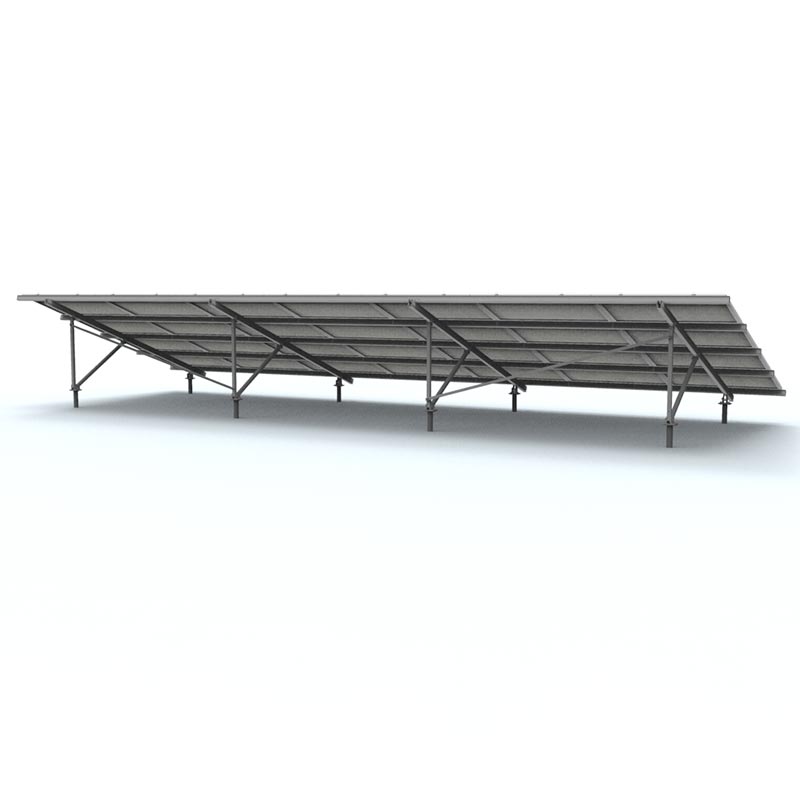
Table of Contents
- 1. Overview of Solar Ground Mounting Systems
- 2. How a Solar Ground Mounting System Works
- 3. Key Benefits for Customers
- 4. Core Components and Technical Parameters
- 5. Types of Ground Mounting Systems
- 6. How to Choose the Right System
- 7. Installation and Maintenance Considerations
- 8. Frequently Asked Questions
- 9. Conclusion
1. Overview of Solar Ground Mounting Systems
A solar ground mounting system is a structural framework installed directly on the ground to support photovoltaic panels. Unlike rooftop systems, these installations provide greater flexibility in orientation, tilt angle, and system scale, making them ideal for commercial, industrial, and utility-scale projects.
These systems are engineered to withstand environmental loads such as wind, snow, and seismic forces, ensuring long-term stability and consistent power generation.
2. How a Solar Ground Mounting System Works
The system functions by securely anchoring solar panels to the ground using a combination of foundation elements and structural supports. It is designed to maintain optimal panel positioning for maximum sunlight exposure.
- Foundation systems anchor the structure to the ground
- Support frames hold panels at the desired tilt angle
- Mounting rails secure photovoltaic modules
- Adjustable components allow fine-tuning of orientation
Advanced systems may include tracking mechanisms that automatically adjust panel angles throughout the day, significantly increasing energy output.
3. Key Benefits for Customers
Customers often face limitations with rooftop installations, such as space constraints and structural restrictions. Ground mounting systems effectively address these issues.
- Higher Efficiency: Optimized tilt and orientation improve energy yield
- Scalability: Easily expandable for future capacity
- Ease of Maintenance: Ground-level access simplifies cleaning and repairs
- Better Cooling: Improved airflow enhances panel performance
For large-scale energy users, these benefits translate into improved system performance and faster return on investment.
4. Core Components and Technical Parameters
| Component | Description |
| Foundation Type | Concrete base, ground screws, or driven piles |
| Material | Hot-dip galvanized steel or aluminum alloy |
| Tilt Angle | Typically 10°–40°, adjustable based on location |
| Wind Load Resistance | Up to 60 m/s depending on design |
| Snow Load Capacity | Up to 1.4 kN/m² or higher |
| Corrosion Protection | Anti-corrosion coating for long service life |
| Service Life | 20–25 years or more |
Solutions provided by Xiamen CYC are engineered with high-quality materials and precision manufacturing, ensuring durability and consistent performance across diverse environments.
5. Types of Ground Mounting Systems
Different project requirements call for different mounting system types. Understanding these options helps in selecting the most suitable solution.
- Fixed Tilt System: Cost-effective and simple design
- Adjustable Tilt System: Seasonal angle adjustment for improved output
- Single-Axis Tracking System: Follows the sun horizontally
- Dual-Axis Tracking System: Maximizes exposure by tracking in two directions
While tracking systems offer higher efficiency, fixed systems remain popular due to lower installation and maintenance costs.
6. How to Choose the Right System
Selecting the appropriate solar ground mounting system involves evaluating multiple technical and environmental factors.
- Soil Conditions: Determines foundation type
- Climate: Wind and snow loads affect structural design
- Project Scale: Larger systems require more robust solutions
- Budget: Balance between upfront cost and long-term benefits
- Installation Time: Prefabricated systems reduce construction time
Working with experienced suppliers ensures optimized system design and reliable performance over time.
7. Installation and Maintenance Considerations
Proper installation is essential to ensure system safety and efficiency. Professional planning and execution can prevent costly issues.
- Conduct site surveys and soil testing
- Ensure precise alignment and leveling
- Use corrosion-resistant materials for longevity
- Perform regular inspections and cleaning
Routine maintenance helps maintain optimal performance and extends system lifespan.
8. Frequently Asked Questions
Q1: Is a ground mounting system better than a rooftop system?
It depends on the project. Ground systems offer higher efficiency and flexibility, while rooftop systems are suitable for limited space scenarios.
Q2: How long does installation take?
Installation time varies based on project size, but modular designs can significantly reduce construction time.
Q3: Are ground mounting systems durable?
Yes. High-quality systems are designed to withstand harsh weather conditions and can last over 20 years.
Q4: Can the system be expanded later?
Yes. Ground-mounted systems are highly scalable and can be expanded as energy demands grow.
9. Conclusion
A solar ground mounting system is a strategic investment for achieving efficient, scalable, and reliable solar energy production. With the ability to optimize panel positioning and adapt to various environmental conditions, these systems deliver superior performance compared to traditional installations.
Xiamen CYC offers advanced ground mounting solutions designed to meet diverse project requirements, ensuring long-term stability and maximum energy output.
If you are planning a solar project and need a dependable mounting solution tailored to your site conditions, contact us today to get expert guidance and customized system recommendations that will maximize your return on investment.