

How Does a Solar Fence Mounting System Improve Energy Efficiency and Space Utilization?
2026-04-20
Abstract
As land availability becomes increasingly constrained and energy demands continue to rise, innovative solar installation methods are gaining attention. A Solar Fence Mounting System offers a dual-purpose solution—serving as both a structural boundary and a renewable energy generator. This article explores how such systems function, their advantages, installation considerations, and how they address common user concerns such as cost, durability, and efficiency.
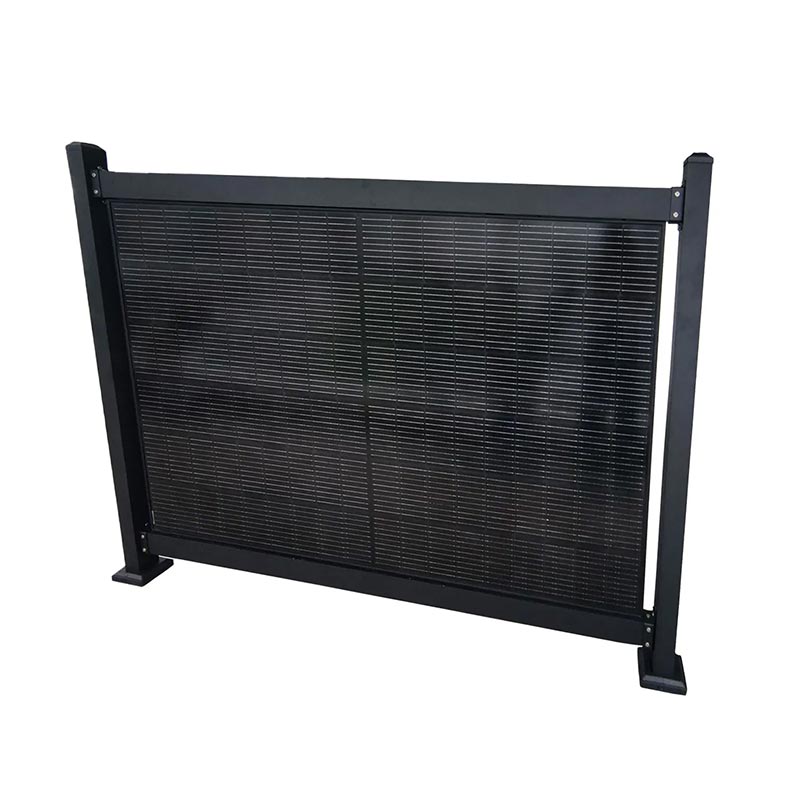
Table of Contents
- 1. Article Outline
- 2. What Is a Solar Fence Mounting System?
- 3. Key Benefits of Solar Fence Systems
- 4. Core Components and Structure
- 5. Installation Process Overview
- 6. Comparison with Traditional Mounting Systems
- 7. Solving Common Customer Pain Points
- 8. Typical Application Scenarios
- 9. Frequently Asked Questions
1. Article Outline
- Definition and working principles
- Advantages over conventional solar mounting
- Structural composition and materials
- Installation steps and considerations
- Real-world applications
- FAQs addressing buyer concerns
2. What Is a Solar Fence Mounting System?
A Solar Fence Mounting System is a vertical or slightly tilted photovoltaic installation integrated into fencing structures. Unlike traditional rooftop or ground-mounted systems, it utilizes boundary lines—such as property perimeters, agricultural enclosures, or industrial zones—to generate electricity while maintaining physical separation.
This system is particularly valuable in environments where horizontal space is limited or already optimized for other uses. By leveraging vertical surfaces, users can achieve additional energy output without sacrificing land functionality.
3. Key Benefits of Solar Fence Systems
| Benefit | Description |
|---|---|
| Space Optimization | Maximizes unused boundary areas for energy production |
| Dual Functionality | Acts as both a fence and a solar power generator |
| Improved Aesthetics | Modern design enhances property appearance |
| Ease of Maintenance | Accessible panel height simplifies cleaning and inspection |
| Enhanced Security | Reinforced structures improve perimeter protection |
These advantages make solar fence systems increasingly popular among residential users, commercial developers, and agricultural operators.
4. Core Components and Structure
- Support Posts: Typically made of galvanized steel or aluminum for corrosion resistance
- Mounting Rails: Secure photovoltaic panels in position
- Solar Panels: Monocrystalline or bifacial modules for higher efficiency
- Fasteners and Clamps: Ensure stability under wind and environmental loads
- Foundation System: Ground screws or concrete bases for structural integrity
The design must account for wind load, soil conditions, and panel orientation to ensure long-term performance.
5. Installation Process Overview
Installing a Solar Fence Mounting System involves several critical steps:
- Site assessment and boundary measurement
- Soil testing and foundation selection
- Post installation and alignment
- Rail and panel mounting
- Electrical wiring and inverter connection
- System testing and commissioning
Proper planning ensures optimal sunlight exposure and structural durability. Orientation is especially important—south-facing installations (in the northern hemisphere) typically yield the best performance.
6. Comparison with Traditional Mounting Systems
| Criteria | Solar Fence System | Rooftop System | Ground Mount |
|---|---|---|---|
| Land Usage | Minimal | None | High |
| Installation Flexibility | Moderate | Limited by roof | High |
| Maintenance Access | Easy | Difficult | Easy |
| Cost Efficiency | Balanced | High | Moderate |
While rooftop systems are cost-effective and ground mounts offer flexibility, solar fence systems provide a unique balance of space efficiency and functionality.
7. Solving Common Customer Pain Points
Limited Space:
Many users struggle with insufficient roof or land area. Solar fence systems utilize otherwise unused boundaries, effectively solving this constraint.
High Installation Costs:
By combining fencing and solar infrastructure into one system, users reduce material and labor duplication, leading to overall cost savings.
Durability Concerns:
Modern systems are engineered with weather-resistant materials and designed to withstand wind loads, ensuring long service life.
Complex Maintenance:
Accessible panel placement reduces the need for specialized equipment, simplifying routine maintenance.
8. Typical Application Scenarios
- Residential property boundaries
- Agricultural farms and livestock enclosures
- Industrial parks and warehouses
- Commercial facilities and parking perimeters
These systems are particularly beneficial in large-scale agricultural settings where land must remain productive while still supporting energy generation.
9. Frequently Asked Questions
Q1: How efficient is a vertical solar fence system?
A: While slightly less efficient than optimally tilted panels, bifacial modules can compensate by capturing reflected light from both sides.
Q2: Is it suitable for all climates?
A: Yes, provided the system is designed with appropriate materials and wind load considerations for the local environment.
Q3: What is the lifespan of the system?
A: Most systems are designed to last 25 years or more with proper maintenance.
Q4: Can it integrate with existing fences?
A: In some cases, retrofitting is possible, but dedicated systems offer better performance and durability.
Q5: Is it cost-effective compared to traditional systems?
A: Yes, especially when considering the dual functionality and land-saving benefits.
Conclusion
A Solar Fence Mounting System represents a practical and forward-thinking approach to renewable energy deployment. By transforming boundary structures into power-generating assets, it addresses key challenges such as space limitations and installation efficiency. Whether for residential, agricultural, or industrial use, this solution offers both economic and environmental advantages.
If you are considering integrating this innovative system into your project, CYC Energy provides reliable and customizable solutions tailored to your needs. Contact us today to explore how we can help you maximize your energy potential with advanced solar fence mounting systems.