
How Does a Solar Connector Ensure Reliable Solar Energy Systems?
2026-01-23
Article Abstract
Solar connectors are essential components in photovoltaic systems, ensuring the safe and efficient transfer of electricity between solar panels and other system components. Proper connector selection, installation, and maintenance are crucial for long-term performance, safety, and energy efficiency. This article explores the types, design features, technical specifications, application scenarios, and best practices for solar connectors, providing actionable insights for installers, system designers, and energy professionals.
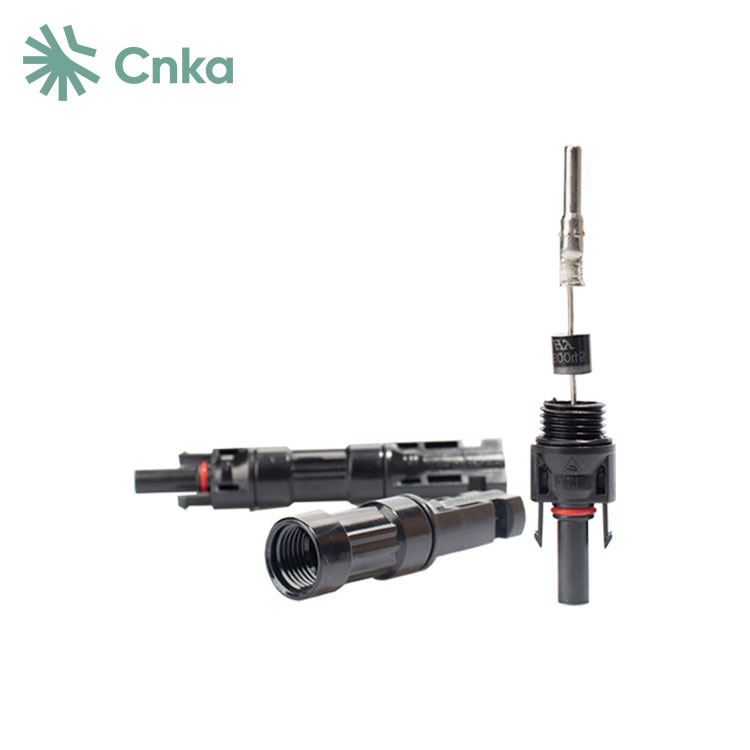
Table of Contents
- Article Outline
- Overview of Solar Connectors
- Types and Key Features
- Technical Parameters and Specifications
- Installation Tips and Best Practices
- Common Questions About Solar Connectors
- Conclusion and Contact Information
Article Outline
- Definition and core purpose of solar connectors
- Types of connectors and design considerations
- Technical specifications and performance indicators
- Installation procedures and compatibility guidance
- Common issues, troubleshooting, and FAQs
- Company reference and contact guidance
Overview of Solar Connectors
A solar connector is a specialized electrical connector designed to safely transmit DC electricity generated by photovoltaic modules to the solar inverter or downstream components. These connectors ensure low-resistance connections, protection against environmental factors such as moisture and dust, and compliance with international safety standards.
The reliability of a solar connector directly affects the overall efficiency of the solar power system. Poor-quality connectors can lead to energy loss, overheating, or electrical hazards. Modern connectors are engineered to provide stable performance over decades, with features including plug-and-play design, waterproof sealing, and corrosion-resistant materials.
Types and Key Features
Solar connectors come in several variations to meet specific system requirements. The main types include:
- MC4 Connectors: Most commonly used, compatible with a wide range of panels, designed for easy field installation.
- Multi-Contact Connectors: Provide secure locking mechanisms and are suitable for high-current applications.
- IP67 Rated Connectors: Fully waterproof and dustproof for outdoor installations in harsh environments.
- Quick-Connect Systems: Designed for rapid assembly and modular systems, reducing labor costs and installation errors.
Key features to consider when selecting a solar connector include current rating, voltage rating, operating temperature range, mechanical robustness, and compliance with IEC standards.
Technical Parameters and Specifications
Understanding technical specifications is essential for ensuring compatibility and long-term performance. The following table summarizes typical specifications of high-quality solar connectors:
| Parameter | Typical Value |
|---|---|
| Current Rating | 20–50 A |
| Voltage Rating | 1000–1500 V DC |
| Operating Temperature | -40°C to +90°C |
| Protection Level | IP67 |
| Contact Material | Silver-plated copper |
| Insulation Material | UV-resistant polypropylene |
| Design Lifetime | 25+ years |
Installation Tips and Best Practices
Proper installation of solar connectors is critical to system safety and efficiency. Recommended best practices include:
- Ensure polarity is correctly aligned before connecting male and female ends.
- Use appropriate torque when tightening connectors to prevent loose contacts or damage.
- Check for debris, dust, or moisture inside the connector before installation.
- Verify compatibility with panel output and inverter input specifications.
- Conduct regular inspection and maintenance to identify wear, discoloration, or thermal damage.
By following these procedures, installers can minimize potential faults and maintain the system’s energy efficiency over time.
Common Questions About Solar Connectors
Q: Can solar connectors be used for both residential and commercial installations?
A: Yes. Solar connectors are versatile and available in multiple ratings to accommodate small residential systems as well as large commercial PV arrays.
Q: How do I ensure a connector is waterproof and dustproof?
A: Look for IP67-rated connectors, which guarantee full protection against water immersion and dust ingress. Proper sealing during installation is also necessary.
Q: What is the expected lifespan of a high-quality solar connector?
A: Premium connectors typically have a design lifetime exceeding 25 years, assuming correct installation and regular maintenance.
Q: Are solar connectors standardized across different manufacturers?
A: Most connectors comply with IEC standards for compatibility, but always verify specifications to ensure interoperability between panels and inverters.
Conclusion and Contact Information
Solar connectors are vital to ensuring reliable electricity transfer and long-term system performance in photovoltaic installations. By selecting the right type, adhering to technical specifications, and following best installation practices, energy professionals can enhance system efficiency and safety.
CNKA offers high-quality solar connectors engineered for durability, safety, and compatibility with diverse solar modules and inverters. For inquiries, product details, or customized solutions, please contact us to discuss your project requirements and technical support options.