

How Does a Solar Carport Mounting System Maximize Energy Generation and Parking Space?
2026-06-01
As businesses, commercial property owners, institutions, and homeowners look for smarter ways to utilize available space, solar carport mounting systems have emerged as an innovative solution. Instead of leaving parking areas exposed to the sun, these structures transform underutilized spaces into clean energy generation assets while providing shade and protection for vehicles.
A Solar Carport Mounting System combines durable structural engineering with advanced photovoltaic technology, enabling organizations to reduce electricity costs, improve sustainability initiatives, and make better use of existing land. This article explores how solar carport systems work, their benefits, applications, installation considerations, and why they are becoming a preferred alternative to traditional ground-mounted and rooftop solar installations.
Article Summary
Solar carport mounting systems create dual-purpose infrastructure by supporting solar panels above parking spaces. They generate renewable electricity, provide vehicle protection, optimize land utilization, and enhance property value. With flexible design options and long-term economic benefits, solar carports are becoming an increasingly attractive investment for commercial, industrial, educational, and residential projects.
Table of Contents
- What Is a Solar Carport Mounting System?
- How Does a Solar Carport Mounting System Work?
- Key Advantages of Solar Carport Mounting Systems
- Solar Carport vs Rooftop Solar vs Ground Mount
- Main Components of a Solar Carport System
- Common Applications
- Important Design Considerations
- Installation Process Overview
- Why Solar Carports Are a Smart Investment
- Frequently Asked Questions
Outline
- Introduction to Solar Carport Systems
- Working Principles and Energy Generation
- Benefits for Businesses and Property Owners
- Structural Components and Materials
- Application Scenarios
- Design and Engineering Factors
- Installation Procedures
- Long-Term Value and Return on Investment
- FAQs
What Is a Solar Carport Mounting System?
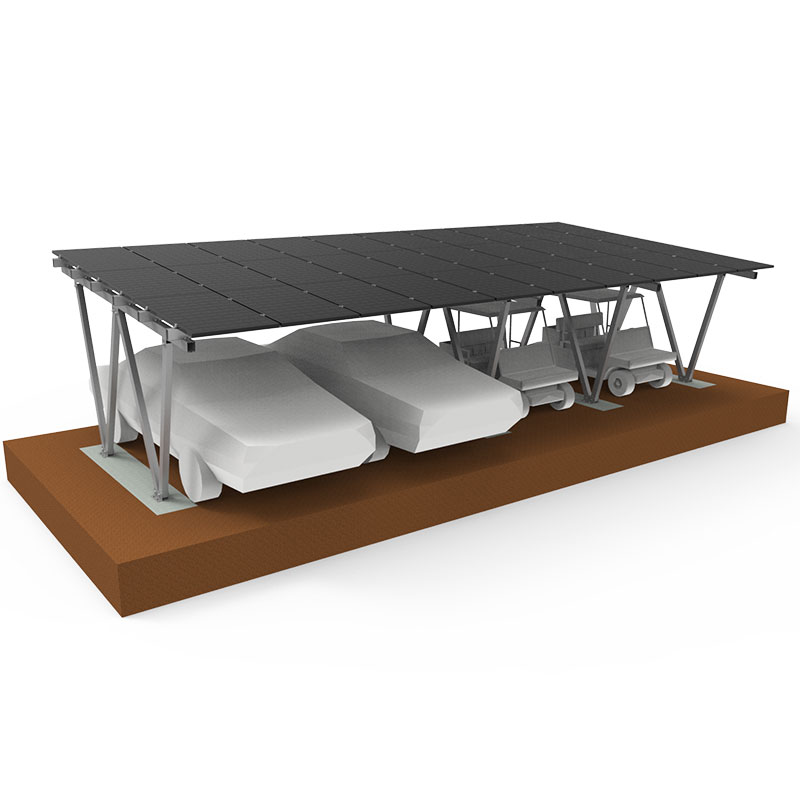
A Solar Carport Mounting System is a specially engineered support structure that elevates solar photovoltaic (PV) panels above parking areas. Unlike conventional rooftop systems that depend on existing buildings, solar carports create an independent framework capable of supporting solar modules while simultaneously serving as a protective canopy for parked vehicles.
These systems are commonly constructed using high-strength steel or aluminum and can be customized to accommodate various parking layouts, vehicle sizes, and project capacities.
By utilizing parking lots as energy-producing assets, solar carports help organizations maximize land efficiency without sacrificing valuable operational space.
How Does a Solar Carport Mounting System Work?
The operating principle is straightforward yet highly effective.
- Solar panels mounted on the carport capture sunlight.
- Photovoltaic cells convert solar energy into direct current (DC) electricity.
- Inverters convert DC electricity into usable alternating current (AC).
- The generated electricity powers facilities, buildings, charging stations, or feeds into the utility grid.
- Excess energy may be stored in battery systems when applicable.
The elevated structure also creates shaded parking spaces, reducing vehicle interior temperatures and improving user comfort.
| Function | Benefit |
|---|---|
| Solar Power Generation | Reduces utility costs |
| Vehicle Protection | Shields cars from sun, rain, and snow |
| Land Optimization | Uses existing parking areas efficiently |
| Sustainability Support | Reduces carbon emissions |
Key Advantages of Solar Carport Mounting Systems
1. Efficient Use of Space
One of the biggest challenges facing solar projects is finding sufficient installation space. Solar carports solve this issue by utilizing parking areas that already exist, eliminating the need for additional land acquisition.
2. Reduced Energy Costs
Businesses can significantly lower electricity expenses by generating clean energy onsite. Over time, these savings can offset installation costs and contribute to long-term financial returns.
3. Improved Vehicle Protection
Vehicles parked beneath the structure benefit from protection against harsh weather conditions, including excessive sunlight, rain, hail, and snow.
4. Enhanced Corporate Image
Visible renewable energy infrastructure demonstrates a commitment to environmental responsibility and innovation.
5. EV Charging Integration
Solar carports can easily incorporate electric vehicle charging stations, creating a complete clean transportation ecosystem.
6. Increased Property Value
Energy-producing infrastructure can improve property attractiveness and market competitiveness.
Solar Carport vs Rooftop Solar vs Ground Mount
| Feature | Solar Carport | Rooftop Solar | Ground Mount |
|---|---|---|---|
| Land Usage | Excellent | Excellent | Requires Dedicated Land |
| Vehicle Protection | Yes | No | No |
| Installation Flexibility | High | Limited by Roof | High |
| Visibility | High | Low | Moderate |
| EV Charging Integration | Excellent | Possible | Possible |
Main Components of a Solar Carport System
- Foundation System – Provides structural stability.
- Support Columns – Carry vertical and lateral loads.
- Beams and Rails – Secure solar modules.
- Solar Panels – Generate electricity.
- Inverters – Convert DC to AC power.
- Cabling and Connectors – Ensure safe power transmission.
- Drainage Components – Manage rainwater effectively.
- Monitoring Systems – Track performance and energy output.
Proper engineering and material selection are essential for ensuring durability, especially in regions exposed to strong winds, heavy snow loads, or seismic activity.
Common Applications
Solar carport mounting systems are suitable for a wide variety of projects:
- Commercial office buildings
- Industrial facilities
- Shopping centers
- Educational campuses
- Hospitals and healthcare facilities
- Government properties
- Transportation hubs
- Residential communities
- Electric vehicle charging stations
Their versatility makes them an ideal solution wherever large parking areas exist.
Important Design Considerations
Successful solar carport projects require careful planning and engineering analysis.
- Local Climate Conditions – Wind, snow, and rainfall loads must be considered.
- Parking Layout – Vehicle circulation and accessibility must remain efficient.
- Panel Orientation – Proper tilt angles maximize energy production.
- Drainage Design – Prevents water accumulation.
- Future Expansion – Allows scalability as energy needs grow.
- EV Infrastructure Compatibility – Supports future transportation trends.
High-quality structural design directly impacts safety, performance, and long-term reliability.
Installation Process Overview
- Site assessment and feasibility analysis.
- Structural engineering and layout design.
- Permit approvals and compliance review.
- Foundation construction.
- Steel or aluminum structure installation.
- Solar panel mounting.
- Electrical system integration.
- Testing and commissioning.
- Performance monitoring activation.
Working with experienced manufacturers and engineering teams helps ensure efficient project execution and long-term system performance.
Why Solar Carports Are a Smart Investment
Organizations today face increasing pressure to reduce operating costs while improving sustainability performance. Solar carport mounting systems address both challenges simultaneously.
Beyond energy generation, they provide functional infrastructure improvements, enhance user experience, and support future-ready initiatives such as electric vehicle charging. Compared with developing new land for solar installations, carports often deliver greater overall value by combining multiple benefits within a single investment.
As solar technology continues to improve and electricity costs rise, solar carports are expected to play an increasingly important role in commercial and industrial energy strategies worldwide.
Frequently Asked Questions
Are solar carport mounting systems suitable for all parking lots?
Most parking areas can accommodate solar carports, provided that sufficient space, structural feasibility, and sunlight exposure are available.
How long does a solar carport system last?
High-quality systems typically have structural lifespans exceeding 25 years, with solar modules often carrying long-term performance warranties.
Can solar carports support EV charging stations?
Yes. Many modern solar carport projects integrate EV charging infrastructure to maximize renewable energy utilization.
Do solar carports require extensive maintenance?
Routine inspections, cleaning, and periodic electrical maintenance are generally sufficient to maintain optimal performance.
Is a solar carport more expensive than rooftop solar?
Initial installation costs may be higher due to the supporting structure, but the additional benefits of vehicle protection, land optimization, and enhanced functionality often justify the investment.
Conclusion
A Solar Carport Mounting System is more than just a solar installation—it is a strategic infrastructure upgrade that transforms parking areas into productive energy assets. By generating clean electricity, protecting vehicles, maximizing land utilization, and supporting future mobility solutions, solar carports offer substantial long-term value for organizations of all sizes.
Xiamen CYC Energy Co.,Ltd. specializes in providing reliable, durable, and customized solar mounting solutions designed to meet diverse project requirements worldwide. Whether you are planning a commercial parking lot solar project, an industrial energy upgrade, or an EV charging integration initiative, our experienced team can help you identify the most effective solution for your needs.
Ready to unlock the full potential of your parking space? Contact us today to discuss your Solar Carport Mounting System project and discover how Xiamen CYC Energy Co.,Ltd. can help you achieve greater energy savings, operational efficiency, and long-term project success.