

How Does a Solar Carport Mounting System Improve Parking Areas and Generate Clean Energy?
2026-03-16
━━━━━━━━━━━━━━━━━━━━━━━━━━━━━━━━━━━━━━━━━━
Article Summary
A Solar Carport Mounting System is an innovative infrastructure solution that transforms ordinary parking spaces into energy-producing assets. By installing photovoltaic modules above parking areas, businesses, commercial facilities, and public institutions can generate renewable electricity while providing shaded parking for vehicles. This article explains how solar carport mounting systems work, their structural components, installation process, advantages, and the key factors to consider when choosing the right system. The guide also addresses common customer concerns such as durability, cost efficiency, and site adaptability.
━━━━━━━━━━━━━━━━━━━━━━━━━━━━━━━━━━━━━━━━━━
Table of Contents
- Introduction to Solar Carport Mounting Systems
- How a Solar Carport Mounting System Works
- Main Structural Components
- Typical Product Parameters
- Key Advantages for Commercial and Public Spaces
- Installation Process Overview
- Important Factors When Choosing a System
- Common Application Scenarios
- Frequently Asked Questions
- Conclusion
━━━━━━━━━━━━━━━━━━━━━━━━━━━━━━━━━━━━━━━━━━
Introduction to Solar Carport Mounting Systems
Parking lots occupy a large amount of unused open space in commercial buildings, industrial facilities, shopping centers, and residential complexes. Traditionally, these areas provide only vehicle storage. A Solar Carport Mounting System transforms this space into a productive energy platform.
The structure supports photovoltaic panels above the parking area, allowing solar power generation while protecting vehicles from sunlight, rain, and snow. As energy costs continue to rise and sustainability goals become more important, solar carports are increasingly adopted by organizations seeking both environmental and economic benefits.
Manufacturers such as CYC Energy design mounting systems that combine structural strength, corrosion resistance, and efficient solar panel layout. These systems are engineered to withstand long-term outdoor exposure while maximizing photovoltaic output.
━━━━━━━━━━━━━━━━━━━━━━━━━━━━━━━━━━━━━━━━━━
Outline
- Definition and working principle of solar carport structures
- Key structural components and materials
- Technical parameters and structural performance
- Advantages compared with traditional ground-mounted systems
- Installation and engineering considerations
- Frequently asked questions about durability and investment value
━━━━━━━━━━━━━━━━━━━━━━━━━━━━━━━━━━━━━━━━━━
How a Solar Carport Mounting System Works
A Solar Carport Mounting System operates by supporting photovoltaic modules on elevated structural frames installed over parking areas. The panels capture sunlight and convert it into electricity through photovoltaic cells.
The generated electricity is then transferred through inverters and electrical systems to power buildings, charge electric vehicles, or supply the local power grid.
The process generally follows these steps:
- Solar panels absorb sunlight throughout the day.
- Photovoltaic cells convert sunlight into direct current electricity.
- Inverters convert DC electricity into alternating current.
- The electricity powers nearby facilities or is exported to the grid.
Unlike rooftop solar installations, carport systems utilize open parking areas where solar exposure is typically unobstructed. This often leads to higher energy production efficiency.
━━━━━━━━━━━━━━━━━━━━━━━━━━━━━━━━━━━━━━━━━━
Main Structural Components
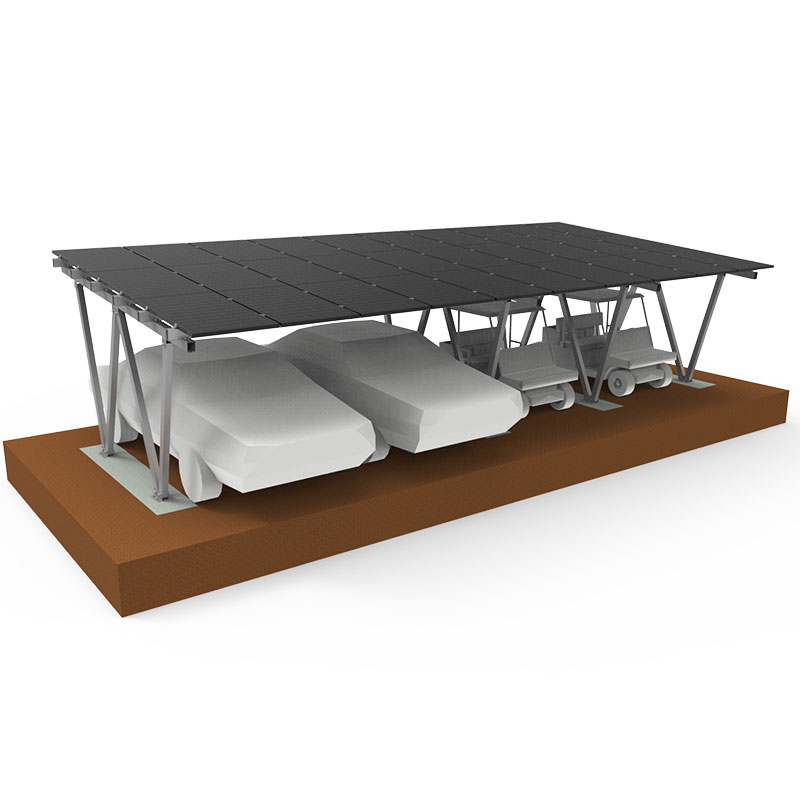
A well-engineered solar carport mounting system contains several key structural elements that ensure long-term reliability and safety.
- Steel or aluminum support columns
- Beam structures connecting support frames
- Photovoltaic module mounting rails
- Foundation anchors or concrete bases
- Waterproof and drainage design
- Cable management and inverter integration
The materials are typically hot-dip galvanized steel or anodized aluminum alloys. These materials provide excellent resistance to corrosion, wind loads, and structural fatigue.
Advanced designs also incorporate rainwater drainage systems that prevent water accumulation on panels and maintain the durability of the structure.
━━━━━━━━━━━━━━━━━━━━━━━━━━━━━━━━━━━━━━━━━━
Typical Product Parameters
| Parameter | Description |
| Material | Hot-dip galvanized steel or aluminum alloy |
| Surface Treatment | Anodized or anti-corrosion coating |
| Wind Load Capacity | Up to 60 m/s depending on engineering design |
| Snow Load Capacity | Up to 1.4 kN/m² depending on region |
| Panel Orientation | Custom tilt angle for optimal solar output |
| Foundation Type | Concrete foundation or ground anchor system |
| Installation Area | Commercial parking lots, industrial parks, residential complexes |
━━━━━━━━━━━━━━━━━━━━━━━━━━━━━━━━━━━━━━━━━━
Key Advantages for Commercial and Public Spaces
Businesses and property owners adopt solar carport systems for several strategic reasons. These structures provide both operational benefits and long-term financial value.
- Dual Land Use – parking areas produce energy without occupying additional land.
- Vehicle Protection – cars are shielded from sunlight, rain, and snow.
- Energy Cost Reduction – on-site solar generation reduces electricity expenses.
- Sustainability Goals – supports environmental responsibility initiatives.
- Electric Vehicle Integration – ideal platform for EV charging stations.
- Enhanced Property Value – energy infrastructure improves asset value.
These advantages make solar carports particularly attractive for corporate campuses, shopping malls, airports, and universities.
━━━━━━━━━━━━━━━━━━━━━━━━━━━━━━━━━━━━━━━━━━
Installation Process Overview
Installing a solar carport mounting system involves multiple engineering stages to ensure safety and performance.
- Site Assessment – evaluation of sunlight exposure, parking layout, and ground conditions.
- Structural Design – engineering calculations for wind load, snow load, and structural stability.
- Foundation Construction – installation of concrete bases or anchoring systems.
- Frame Assembly – installation of columns, beams, and mounting rails.
- Solar Panel Installation – photovoltaic modules are mounted and secured.
- Electrical Integration – connection of inverters, wiring, and grid systems.
Professional installation ensures optimal performance and compliance with local engineering standards.
━━━━━━━━━━━━━━━━━━━━━━━━━━━━━━━━━━━━━━━━━━
Important Factors When Choosing a System
Customers evaluating solar carport solutions typically consider several critical factors.
- Structural durability and corrosion resistance
- Engineering compliance with wind and snow load requirements
- Compatibility with different photovoltaic modules
- Ease of installation and maintenance
- Design flexibility for various parking layouts
- Long-term reliability of the mounting system
Reliable manufacturers such as CYC Energy focus on optimized structural design and high-quality materials to ensure stable performance over decades of outdoor operation.
━━━━━━━━━━━━━━━━━━━━━━━━━━━━━━━━━━━━━━━━━━
Common Application Scenarios
Solar carport mounting systems are widely used in different sectors:
- Commercial shopping centers
- Corporate office campuses
- Industrial manufacturing facilities
- Residential community parking lots
- Airports and transportation hubs
- Hospitals and educational institutions
These installations not only generate renewable electricity but also demonstrate environmental leadership and technological innovation.
━━━━━━━━━━━━━━━━━━━━━━━━━━━━━━━━━━━━━━━━━━
Frequently Asked Questions
Q1: Are solar carport mounting systems durable in extreme weather?
Yes. High-quality systems are engineered to withstand strong winds, heavy snow loads, and long-term outdoor exposure through corrosion-resistant materials and structural reinforcement.
Q2: Do solar carports require large land areas?
No. One of the main advantages is that they utilize existing parking spaces, meaning no additional land is required.
Q3: Can solar carports support electric vehicle charging?
Yes. Many installations integrate EV charging stations powered directly by the solar energy generated by the carport system.
Q4: How long does installation typically take?
Project timelines depend on system size and site conditions, but many installations can be completed within several weeks once foundations are prepared.
━━━━━━━━━━━━━━━━━━━━━━━━━━━━━━━━━━━━━━━━━━
Conclusion
A Solar Carport Mounting System is a practical and efficient solution for converting unused parking areas into renewable energy assets. By combining solar power generation with functional vehicle shelter, these structures offer a highly effective approach to sustainable infrastructure development.
With durable materials, optimized engineering design, and flexible installation options, solutions developed by CYC Energy provide reliable performance for commercial, industrial, and public facilities seeking long-term energy benefits.
If you are planning to upgrade your parking space with a solar carport solution or want to explore customized photovoltaic mounting structures, contact us today to learn how professional solar engineering solutions can support your clean energy goals.