

How Does a Solar Carport Mounting System Deliver Value for Commercial and Residential Projects?
2026-04-28
Abstract
A Solar Carport Mounting System is more than just a structural solution for supporting photovoltaic panels—it is a strategic investment that maximizes land use, reduces energy costs, and enhances property value. This article explores how these systems function, their key components, benefits, and how to choose the right solution for your needs. Whether you are a business owner, developer, or homeowner, understanding the mechanics and advantages of solar carports will help you make informed decisions and avoid common pitfalls.
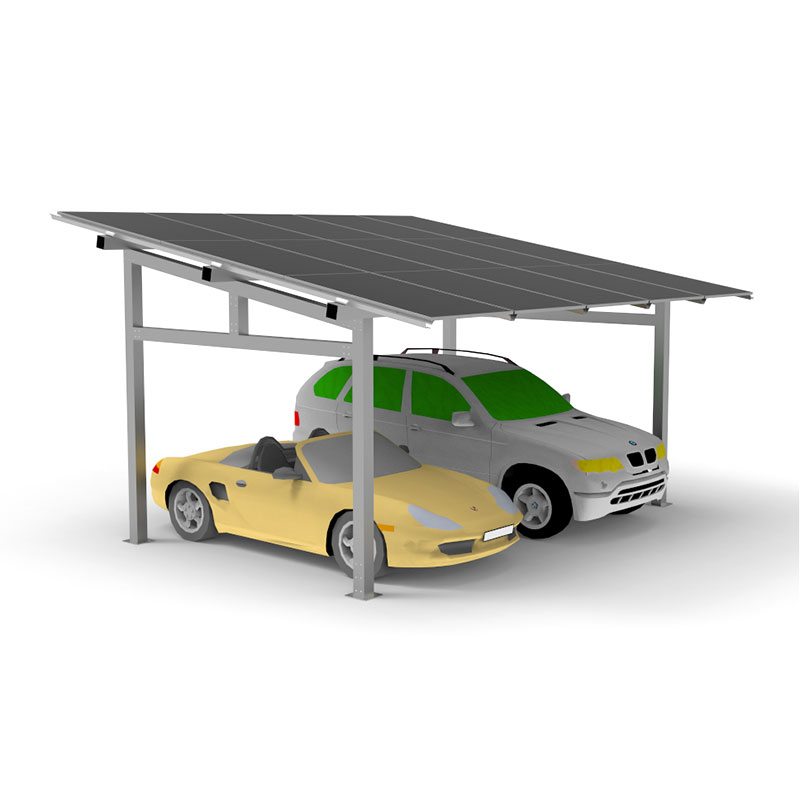
Table of Contents
- 1. What Is a Solar Carport Mounting System?
- 2. How Does It Work?
- 3. Key Components Explained
- 4. Benefits for Users
- 5. Common Customer Pain Points and Solutions
- 6. Types of Solar Carport Systems
- 7. Installation Process Overview
- 8. Cost vs. ROI Analysis
- 9. How to Choose the Right Supplier
- 10. FAQ
1. What Is a Solar Carport Mounting System?
A Solar Carport Mounting System is a specially engineered structure designed to support solar panels above parking areas. Unlike rooftop systems, it utilizes open space—typically parking lots—to generate renewable energy while simultaneously providing shade and protection for vehicles.
This dual-purpose functionality makes it particularly attractive for commercial facilities, shopping centers, industrial parks, and residential complexes where space optimization is critical.
2. How Does It Work?
The system operates by integrating photovoltaic panels onto a durable steel or aluminum framework. The structure is anchored securely to the ground, and panels are angled to maximize solar exposure.
- Sunlight hits the solar panels
- Panels convert sunlight into direct current (DC)
- An inverter converts DC into usable alternating current (AC)
- Electricity powers nearby facilities or feeds into the grid
Meanwhile, the structure functions as a protective canopy for parked vehicles, reducing heat and weather exposure.
3. Key Components Explained
| Component | Description | Function |
|---|---|---|
| Support Structure | Steel or aluminum frame | Provides stability and load-bearing capacity |
| Solar Panels | Photovoltaic modules | Convert sunlight into electricity |
| Mounting Rails | Horizontal supports | Secure panels in place |
| Inverter | Electrical device | Converts DC to AC power |
| Foundation System | Concrete or pile-based | Anchors the structure securely |
4. Benefits for Users
- Maximized Land Use: Turns unused parking areas into energy-generating assets
- Energy Cost Reduction: Generates clean electricity onsite
- Vehicle Protection: Shields cars from sun, rain, and snow
- Environmental Impact: Reduces carbon footprint
- Enhanced Property Value: Adds modern infrastructure appeal
5. Common Customer Pain Points and Solutions
Pain Point 1: High Initial Investment
Solution: While upfront costs may seem significant, long-term savings and incentives often offset the investment. Partnering with experienced providers like CYC Energy ensures optimized design and cost efficiency.
Pain Point 2: Complex Installation
Solution: Turnkey solutions simplify the process—from design to commissioning—reducing project complexity.
Pain Point 3: Structural Durability Concerns
Solution: High-quality materials and engineering standards ensure resistance to wind, corrosion, and heavy loads.
Pain Point 4: Aesthetic Integration
Solution: Modern designs offer sleek, customizable appearances that blend with surroundings.
6. Types of Solar Carport Systems
- Single-Column Design: Space-efficient and cost-effective
- Double-Column Design: Higher stability and load capacity
- Cantilever Carports: Minimal obstruction for parking
- Waterproof Systems: Integrated drainage solutions
7. Installation Process Overview
- Site Assessment and Feasibility Study
- Custom Design and Engineering
- Foundation Preparation
- Structure Assembly
- Solar Panel Installation
- Electrical Connection and Testing
Working with a professional provider like CYC Energy ensures each phase is executed with precision and compliance.
8. Cost vs. ROI Analysis
| Factor | Impact |
|---|---|
| Initial Cost | Moderate to High |
| Energy Savings | Significant over time |
| Maintenance | Low |
| Payback Period | Typically 5–8 years |
The long-term financial and environmental returns make solar carports a compelling investment.
9. How to Choose the Right Supplier
- Proven industry experience
- Customization capabilities
- High-quality materials
- Comprehensive support services
- Strong project portfolio
CYC Energy stands out by delivering reliable Solar Carport Mounting System solutions tailored to diverse project requirements.
10. FAQ
Q1: Is a solar carport suitable for residential use?
Yes, it is ideal for homeowners with sufficient parking space who want to generate clean energy.
Q2: How long does installation take?
Depending on project size, installation typically takes a few weeks to a few months.
Q3: Are these systems weather-resistant?
Yes, they are designed to withstand harsh environmental conditions including wind and rain.
Q4: Can I integrate EV charging stations?
Absolutely. Many systems are compatible with electric vehicle charging infrastructure.
Q5: What maintenance is required?
Minimal maintenance is needed, mainly periodic cleaning and inspection.
Conclusion
A Solar Carport Mounting System is a smart, future-oriented solution that combines sustainability with practical functionality. By addressing energy needs while optimizing space, it provides measurable economic and environmental benefits. Choosing a trusted provider like CYC Energy ensures you receive a system that is efficient, durable, and tailored to your specific requirements.
If you are ready to transform your parking space into a clean energy asset, contact us today to explore customized solutions and take the next step toward sustainable energy independence.