

How Does a Solar Asphalt Roof Mounting System Improve Installation Efficiency and Long-Term Performance?
2026-03-30
Abstract
As solar adoption accelerates across residential and commercial sectors, asphalt shingle roofs remain one of the most common installation surfaces. A Solar Asphalt Roof Mounting System plays a critical role in ensuring structural integrity, waterproofing, and long-term system reliability. This article explores how these mounting systems work, what problems they solve, and how to select the right solution for optimal performance. It also highlights key design considerations, installation steps, and maintenance insights to help decision-makers reduce risk and maximize return on investment.
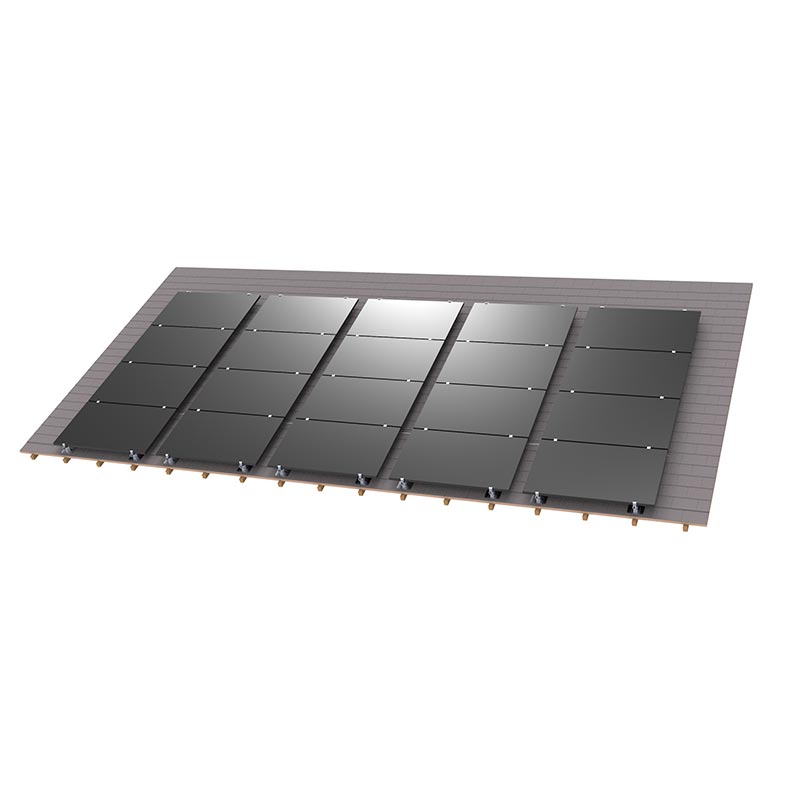
Table of Contents
- 1. What Is a Solar Asphalt Roof Mounting System?
- 2. Why Is It Essential for Asphalt Roof Installations?
- 3. Key Components and Structure
- 4. How Does the System Work?
- 5. Common Challenges and Solutions
- 6. Selection Criteria for Buyers
- 7. Installation Process Overview
- 8. Performance and Durability Factors
- 9. Comparison Table of Mounting Options
- 10. Frequently Asked Questions
1. What Is a Solar Asphalt Roof Mounting System?
A Solar Asphalt Roof Mounting System is a structural framework designed to securely attach photovoltaic (PV) panels to asphalt shingle roofs. It ensures that solar modules remain stable under environmental stress such as wind uplift, snow loads, and thermal expansion.
These systems typically integrate flashing components, roof attachments, rails, and module clamps to provide both mechanical support and waterproof sealing.
2. Why Is It Essential for Asphalt Roof Installations?
Asphalt shingles are widely used due to their affordability and ease of installation, but they present specific engineering challenges when integrating solar systems.
- Waterproofing Risks: Improper mounting can lead to leaks and structural damage.
- Load Distribution: Uneven weight can compromise roof integrity.
- Wind Resistance: Panels must withstand uplift forces in extreme weather.
A properly designed mounting system mitigates these risks while ensuring compliance with building codes and safety standards.
3. Key Components and Structure
A high-quality system typically includes the following components:
- Roof Hooks or L-Brackets: Secure attachment to roof rafters
- Flashing: Prevents water penetration
- Rails: Provide structural alignment for panels
- Mid and End Clamps: Hold modules firmly in place
- Grounding Elements: Ensure electrical safety
Companies like CYC Energy design integrated systems that simplify these components into modular solutions, reducing installation complexity.
4. How Does the System Work?
The installation begins by locating roof rafters beneath the asphalt shingles. Mounting brackets are then secured into the rafters, ensuring structural anchoring.
Next, flashing is installed beneath the shingles to create a watertight seal. Aluminum rails are attached to the brackets, forming a stable platform. Finally, solar panels are mounted onto the rails using clamps.
This layered approach ensures:
- Structural strength
- Weather resistance
- Ease of maintenance
5. Common Challenges and Solutions
Despite its advantages, installation on asphalt roofs can present several challenges:
- Roof Penetration Concerns: Solved with advanced flashing technology
- Alignment Issues: Addressed through adjustable rail systems
- Time-Consuming Installation: Reduced with pre-assembled components
Modern systems from providers like CYC Energy are engineered to minimize installation time while maintaining high safety standards.
6. Selection Criteria for Buyers
Choosing the right Solar Asphalt Roof Mounting System requires evaluating several technical factors:
- Material Quality: Corrosion-resistant aluminum or stainless steel
- Compatibility: Fits different shingle types and roof slopes
- Certifications: Compliance with international safety standards
- Ease of Installation: Modular and pre-assembled parts
Buyers should also consider supplier reliability and engineering support when making a decision.
7. Installation Process Overview
Below is a simplified workflow:
- Site assessment and structural analysis
- Layout planning and rail positioning
- Attachment installation and sealing
- Rail mounting and alignment
- Panel installation and wiring
- Final inspection and testing
Efficient systems can significantly reduce labor costs and installation time.
8. Performance and Durability Factors
Long-term performance depends on:
- Wind Load Resistance: Engineered for high uplift conditions
- Corrosion Protection: Anodized aluminum components
- Thermal Expansion Handling: Flexible rail connections
- Maintenance Accessibility: Easy panel removal and replacement
A well-designed system can last over 25 years with minimal maintenance.
9. Comparison Table of Mounting Options
| Feature | Standard Mounting | Advanced Asphalt Roof System |
|---|---|---|
| Installation Time | Long | Short |
| Waterproofing | Basic | Enhanced Flashing |
| Durability | Moderate | High |
| Flexibility | Limited | Highly Adjustable |
| Maintenance | Complex | Easy |
10. Frequently Asked Questions
Q1: Will installing a solar mounting system damage my asphalt roof?
No, when properly installed with flashing and sealing components, the system protects the roof and prevents leaks.
Q2: How long does installation typically take?
Most residential projects can be completed within 1–3 days depending on system size and complexity.
Q3: Can the system withstand extreme weather?
Yes, high-quality systems are tested for wind, snow, and seismic conditions.
Q4: Is maintenance required?
Minimal maintenance is needed, mainly periodic inspections and cleaning of panels.
Q5: How do I choose a reliable supplier?
Look for manufacturers with proven experience, engineering support, and certified products—such as CYC Energy.
Conclusion
A Solar Asphalt Roof Mounting System is more than just a structural component—it is a critical factor in the safety, efficiency, and longevity of a solar installation. By addressing waterproofing, load distribution, and installation efficiency, modern systems provide a reliable foundation for solar energy projects.
If you are planning a solar installation and want a dependable, high-performance mounting solution, CYC Energy offers engineered systems designed to meet diverse project requirements. Contact us today to explore how we can support your next solar project with tailored solutions and expert guidance.