

Abstract: Portable power sources have become essential in modern life, from camping trips and outdoor adventures to emergency backup power at home. This article explores how portable power sources function, the technologies behind them, their benefits, and practical considerations for users. By understanding these key aspects, consumers can make informed choices that suit their energy needs.
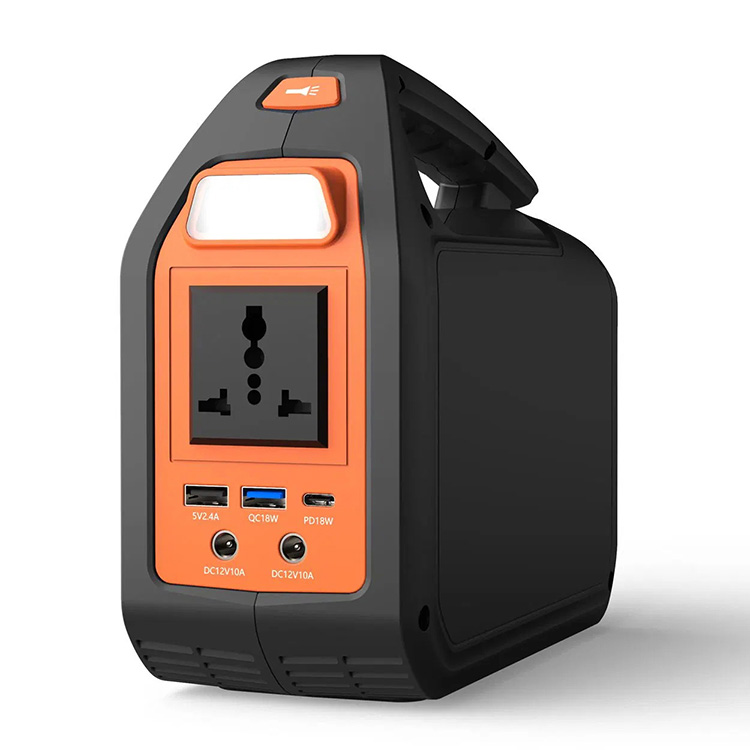
Table of Contents
What is a Portable Power Source?
A portable power source is a compact, mobile device designed to store and supply electrical energy wherever it is needed. Unlike traditional stationary power supplies, these units are lightweight, rechargeable, and versatile, allowing users to power electronics, appliances, and tools in off-grid environments or during power outages.
Modern portable power sources often combine battery technology with inverters, controllers, and safety features to deliver consistent and reliable power for various applications.
How Does a Portable Power Source Work?
At its core, a portable power source works by storing energy in a battery and converting it to a usable form for electronic devices. Here's a breakdown of the process:
- Energy Storage: Most portable power sources use lithium-ion or lithium iron phosphate batteries for their high energy density and long lifespan.
- Power Conversion: Integrated inverters convert stored DC energy to AC power, compatible with household electronics.
- Regulation and Safety: Built-in controllers manage voltage output, prevent overcharging, and protect against short circuits.
- Rechargeability: Power sources can be recharged via solar panels, AC outlets, or vehicle chargers, offering flexible energy options.
Types of Portable Power Sources
Understanding the types of portable power sources can help users select the right solution for their needs. Here are the most common varieties:
| Type | Description | Best Use Case |
|---|---|---|
| Portable Battery Packs | Compact units for charging smartphones, tablets, and small electronics. | Travel, short outdoor trips, emergency phone charging. |
| Portable Power Stations | Larger devices capable of powering laptops, lights, and small appliances. | Camping, RVs, small events, home backup. |
| Solar-Powered Generators | Integrates solar panels to recharge batteries, offering renewable energy on-the-go. | Remote outdoor activities, sustainable off-grid living. |
Benefits of Using a Portable Power Source
Portable power sources provide multiple advantages for modern users:
- Mobility: Lightweight and easy to transport, enabling power wherever needed.
- Energy Security: Provides backup during outages or in remote locations.
- Versatility: Compatible with a wide range of devices, from small electronics to essential home appliances.
- Environmental Friendliness: Solar-compatible units reduce reliance on fossil fuels.
- Ease of Use: Plug-and-play designs make operation simple even for non-technical users.
How to Choose the Right Portable Power Source
When selecting a portable power source, several factors should be considered:
- Power Capacity: Determine the watt-hour rating needed to run your devices efficiently.
- Port Options: Check the number and types of output ports, including USB, AC, and DC options.
- Battery Life: Consider recharge cycles and longevity to ensure long-term usability.
- Portability: Weight and design affect how easy it is to transport.
- Recharge Methods: Look for units compatible with AC, vehicle, or solar charging.
For high-quality portable power solutions, Ningbo Taurus Industry Co., Ltd. offers a range of reliable products that meet these criteria. You can explore their offerings here: Portable Power Source Products.
FAQ
- Q1: Can I use a portable power source to run a refrigerator?
- A: Yes, if the unit has sufficient wattage and battery capacity. Portable power stations designed for home appliances typically include inverter support for refrigerators.
- Q2: How long does a portable power source last on a single charge?
- A: Battery life depends on device capacity and load. For small electronics, it may last several days; for larger appliances, a few hours to overnight.
- Q3: Are solar-powered units effective in cloudy weather?
- A: While solar panels generate less energy in cloudy conditions, modern solar-compatible units still recharge, albeit at slower rates.
- Q4: Is it safe to leave a portable power source charging overnight?
- A: Most units have built-in protection to prevent overcharging. However, following the manufacturer’s instructions ensures optimal safety.
Investing in a portable power source improves energy reliability, mobility, and convenience. Ningbo Taurus Industry Co., Ltd. provides expertly engineered solutions to meet these needs. For more details and personalized recommendations, contact us today and secure your dependable portable energy solution.