
How Do Solar Tracking Mounts Improve Solar Energy Efficiency and Project Returns?
2026-07-16
Article Summary
Solar tracking mounts have become an important solution for maximizing solar power generation in utility-scale and commercial photovoltaic projects. Unlike fixed solar mounting structures, tracking systems automatically adjust the position of solar panels according to the movement of the sun, allowing photovoltaic modules to receive more direct sunlight throughout the day. This technology helps improve energy output, optimize land utilization, and increase the long-term value of solar investments.
However, many solar project developers still face challenges such as low energy production, complicated installation processes, harsh environmental conditions, and high maintenance requirements. Choosing a reliable solar tracking mount system is essential to overcoming these issues. This article explains how solar tracking mounts work, what benefits they provide, how to select the right solution, and why professional manufacturers such as SIC Solar can support efficient solar project development.
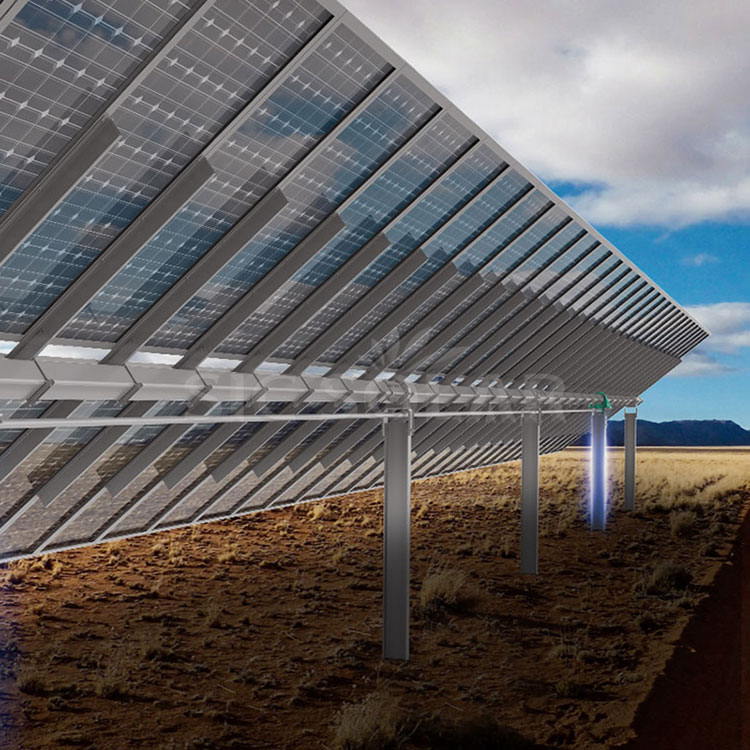
Table of Contents
- What Are Solar Tracking Mounts?
- How Do Solar Tracking Mounts Work?
- Why Are Solar Tracking Mounts Important for Solar Projects?
- What Challenges Can Solar Tracking Mounts Solve?
- How to Choose the Right Solar Tracking Mount System?
- What Should Be Considered During Installation and Maintenance?
- Why Choose SIC Solar for Solar Tracking Mount Solutions?
- Frequently Asked Questions
What Are Solar Tracking Mounts?
Solar tracking mounts are advanced photovoltaic mounting systems designed to move solar panels and follow the sun’s position during the day. By changing the angle and orientation of solar modules, these systems allow panels to capture more solar radiation compared with traditional fixed mounting structures.
A conventional fixed solar mounting system keeps panels at a specific angle. Although this design is simple and reliable, it cannot adapt to changes in sunlight direction. Solar tracking mounts solve this limitation by using mechanical structures, controllers, and driving systems to optimize panel positioning.
Solar tracking solutions are commonly used in large-scale solar farms, commercial photovoltaic installations, and areas where maximizing electricity production is a priority. They are especially valuable for projects with sufficient land availability and high solar resources.
The main types of solar tracking mounts include:
- Single-axis tracking mounts: Rotate solar panels along one axis, usually following the sun from east to west. They are widely used because of their balance between performance improvement and system cost.
- Dual-axis tracking mounts: Adjust panels in two directions to follow both daily and seasonal solar movement, providing higher energy gains for specific applications.
- Customized tracking structures: Designed according to project requirements, terrain conditions, module types, and environmental factors.
How Do Solar Tracking Mounts Work?
Solar tracking mounts operate through a combination of mechanical components, sensors, controllers, and intelligent algorithms. The system continuously calculates the optimal position of solar panels and adjusts their angle to maintain better exposure to sunlight.
During the morning, tracking mounts position photovoltaic modules toward the rising sun. As the sun moves across the sky, the system gradually changes the panel direction to maintain an ideal angle. In the evening, the structure returns to its initial position and prepares for the next operating cycle.
The main working components include:
- Driving mechanism: Provides the movement force required for adjusting panel positions.
- Controller system: Processes solar position information and controls movement operations.
- Mounting structure: Supports photovoltaic modules while maintaining structural stability.
- Sensors and monitoring devices: Help improve tracking accuracy and system reliability.
Modern solar tracking mounts are designed with intelligent control technologies to reduce unnecessary movement, improve operational efficiency, and adapt to different weather conditions.
Why Are Solar Tracking Mounts Important for Solar Projects?
Solar project owners are increasingly looking for ways to improve energy production without significantly increasing land usage or operating costs. Solar tracking mounts provide several advantages that directly address these requirements.
- Higher Energy Generation: By maintaining better sunlight exposure throughout the day, tracking systems can increase electricity production compared with fixed mounting systems.
- Improved Land Utilization: More energy can be generated from the same project area, helping improve overall project economics.
- Better Investment Performance: Increased power output can shorten the payback period and improve long-term returns.
- Flexible Installation Options: Tracking structures can be adapted to different solar modules, terrains, and project scales.
- Smart Operation Management: Automated adjustment reduces the need for manual intervention and improves operational efficiency.
For large photovoltaic projects, even a small improvement in daily solar exposure can create significant additional electricity production over decades of operation.
What Challenges Can Solar Tracking Mounts Solve?
Solar developers often encounter multiple challenges when building photovoltaic systems. Solar tracking mounts provide practical solutions to many common problems.
-
Low Power Output from Fixed Structures:
Fixed mounting systems cannot adjust to changing sunlight angles. Tracking mounts improve sunlight utilization by continuously adjusting panel orientation. -
Limited Project Efficiency:
Large solar farms require maximum output from available land. Tracking technology helps increase energy production without expanding project size. -
Environmental Adaptability:
Solar installations may face strong winds, heavy rain, snow loads, and temperature changes. High-quality tracking structures are engineered to maintain stability under challenging conditions. -
High Maintenance Pressure:
Reliable tracking systems use durable components and intelligent monitoring methods to reduce maintenance frequency and improve system lifespan.
How to Choose the Right Solar Tracking Mount System?
Selecting the appropriate solar tracking mount requires careful consideration of project conditions, energy goals, and long-term operation requirements. A suitable system should provide reliable performance while maintaining reasonable installation and maintenance costs.
Important factors include:
- Project Location: Solar radiation levels, climate conditions, and terrain characteristics influence tracking system selection.
- Wind and Snow Resistance: The structure must meet local environmental requirements to ensure safe operation.
- Compatibility: The tracking mount should match photovoltaic modules and inverter system requirements.
- Control Technology: Intelligent tracking algorithms improve accuracy and reduce unnecessary energy consumption.
- Service Life: High-quality materials and corrosion-resistant designs help extend system durability.
Working with an experienced solar mounting manufacturer helps avoid design mistakes and ensures the tracking system meets project expectations.
What Should Be Considered During Installation and Maintenance?
Proper installation is essential for achieving the expected performance of solar tracking mounts. Incorrect installation can affect tracking accuracy, structural stability, and system reliability.
- Conduct detailed site surveys before installation.
- Evaluate soil conditions and foundation requirements.
- Ensure accurate alignment of mechanical components.
- Test tracking performance before full operation.
- Perform regular inspections of motors, controllers, and structural connections.
Preventive maintenance helps identify potential problems early and reduces unexpected downtime. Regular monitoring also ensures that the tracking system continues operating efficiently throughout its service life.
Why Choose SIC Solar for Solar Tracking Mount Solutions?
SIC Solar focuses on providing reliable photovoltaic mounting solutions for global solar projects. With professional experience in solar mounting structure design and manufacturing, the company develops solutions that meet different installation environments and customer requirements.
SIC Solar's solar tracking mount solutions are designed to provide:
- Customized Engineering Support: Systems can be designed according to project scale, terrain conditions, and module specifications.
- Strong Structural Reliability: Quality materials and advanced manufacturing processes help improve system stability.
- Efficient Solar Performance: Tracking structures are developed to help maximize sunlight utilization and energy output.
- Professional Project Assistance: From design consultation to technical support, SIC Solar helps customers develop efficient photovoltaic projects.
By combining engineering expertise with practical project experience, SIC Solar provides solar tracking mount solutions that help customers achieve more reliable and productive solar energy systems.
Frequently Asked Questions
What is the main purpose of solar tracking mounts?
The main purpose of solar tracking mounts is to adjust photovoltaic panel positions according to the sun’s movement, allowing solar modules to receive more sunlight and improve electricity generation.
Are solar tracking mounts better than fixed solar mounts?
Solar tracking mounts can provide higher energy output than fixed systems in suitable locations. However, the best choice depends on project budget, land conditions, climate, and expected energy goals.
Where are solar tracking mounts commonly used?
They are widely used in utility-scale solar farms, commercial photovoltaic projects, and large open-area solar installations where maximizing energy production is important.
How long can solar tracking mounts operate?
With proper design, installation, and maintenance, high-quality solar tracking mounts can provide reliable operation for many years while supporting long-term solar energy production.
Can SIC Solar provide customized solar tracking mount solutions?
Yes. SIC Solar can develop customized solar tracking mount solutions based on project requirements, environmental conditions, and photovoltaic system specifications.
Conclusion
Solar tracking mounts represent an important advancement in photovoltaic technology by helping solar panels capture more sunlight and generate more electricity. For developers seeking higher project efficiency, better land utilization, and improved long-term returns, choosing the right tracking solution is essential.
With professional design capabilities, reliable manufacturing experience, and customized service, SIC Solar supports customers in building efficient solar energy projects worldwide. If you are planning a solar project and need a dependable solar tracking mount solution, please contact us to discuss your requirements and receive professional support.