

How Do Solar Power Connectors Impact Solar Energy Systems?
2025-12-26
Summary: Solar Power Connectors are crucial components in photovoltaic (PV) systems, ensuring reliable energy transfer between solar panels and inverters. This article examines the types, installation techniques, maintenance practices, and common questions related to Solar Power Connectors. The discussion emphasizes technical parameters, practical applications, and solutions for optimizing solar energy efficiency.
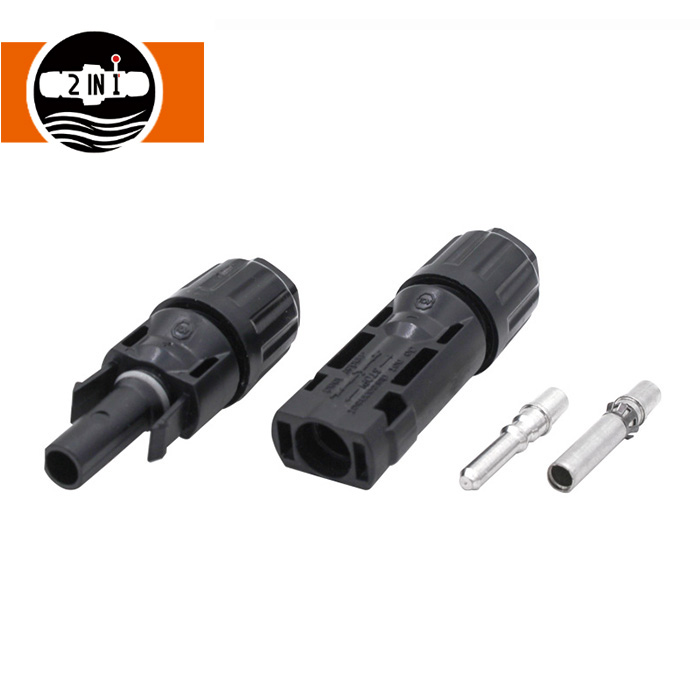
Table of Contents
- 1. Introduction to Solar Power Connectors
- 2. Technical Specifications and Types
- 3. Installation and Maintenance Best Practices
- 4. Frequently Asked Questions About Solar Power Connectors
- 5. Conclusion and Brand Information
1. Introduction to Solar Power Connectors
Solar Power Connectors serve as the electrical bridge connecting solar panels to the entire photovoltaic system, ensuring efficient energy transmission and system safety. These connectors are designed to handle high currents, provide water and dust resistance, and allow rapid installation for residential, commercial, and industrial applications. The central focus of this article is to provide detailed insights into their technical specifications, installation methods, and operational considerations while addressing common questions that users face during deployment.
2. Technical Specifications and Types
Solar Power Connectors vary in design and performance characteristics based on current rating, voltage tolerance, and environmental protection. The following table provides a comprehensive overview of commonly used Solar Power Connector parameters:
| Parameter | Specification |
|---|---|
| Connector Type | MC4, MC3, T4, ST4 |
| Rated Voltage | 1000V DC - 1500V DC |
| Rated Current | 30A - 50A |
| Wire Size | 2.5mm² - 6mm² |
| Operating Temperature | -40°C to 90°C |
| Ingress Protection | IP67 |
| Material | UV-resistant PA66 + Copper Alloy |
| Certifications | IEC 62852, UL 6703, RoHS |
Different connector types provide varied benefits depending on system size and environmental conditions. For example, MC4 connectors are most common for residential PV systems, offering secure locking mechanisms and high UV resistance.
3. Installation and Maintenance Best Practices
Proper installation and regular maintenance of Solar Power Connectors are critical to system longevity and safety. Key steps include:
Installation Guidelines
- Ensure correct polarity during connection to prevent short circuits or energy loss.
- Use certified tools to tighten connector contacts without damaging internal pins.
- Verify waterproof seals and insulation to maintain IP67 rating.
- Route cables to minimize mechanical stress and exposure to high temperature or direct sunlight.
Maintenance Tips
- Perform visual inspections every six months to detect corrosion or mechanical wear.
- Test continuity and voltage drop to confirm energy transfer efficiency.
- Replace connectors showing discoloration, cracks, or loose pins immediately.
- Keep connectors clean using non-abrasive materials to prevent degradation over time.
4. Frequently Asked Questions About Solar Power Connectors
Q1: How to choose the right Solar Power Connector for a specific PV system?
A1: Selection depends on current and voltage requirements, environmental conditions, and compatibility with existing panels. MC4 connectors are widely used due to their robustness and standardization across most PV modules.
Q2: How to ensure connectors maintain waterproof and dustproof performance?
A2: Ensure proper assembly, secure sealing gaskets, and avoid over-tightening or bending cables. Conduct routine inspections for cracks or wear, and replace defective connectors promptly.
Q3: How to safely disconnect and reconnect Solar Power Connectors during maintenance?
A3: Always de-energize the system before disconnection. Use insulated tools, press the locking tabs gently, and avoid pulling on the cables. Reconnect by fully inserting the male and female ends until the locking mechanism clicks.
Q4: How to test Solar Power Connectors for performance issues?
A4: Measure voltage drop and continuity across the connector using a multimeter. A high resistance reading indicates oxidation or poor contact. Replace faulty connectors to prevent energy loss or overheating.
Q5: How long do Solar Power Connectors typically last?
A5: High-quality connectors with proper installation and maintenance can last 10–25 years. UV-resistant materials and correct environmental protection significantly extend lifespan.
5. Conclusion and Brand Information
Solar Power Connectors play a pivotal role in ensuring the efficiency and safety of photovoltaic energy systems. Selecting the appropriate type, following precise installation procedures, and conducting regular maintenance are critical for optimal performance. HuaYi-FaDa Technology provides a wide range of high-quality Solar Power Connectors suitable for diverse residential and industrial solar energy applications, meeting international standards and offering reliable long-term service. For detailed inquiries or purchasing information, contact us today.