Article Abstract
Solar energy systems are becoming increasingly common in residential, commercial, and industrial applications. One of the most critical components of any rooftop solar installation is the mounting system. This article explains in depth how Solar Panel Roof Mounts work, the different types available, installation considerations, common challenges users face, and how to choose a reliable solution. It also highlights practical insights from industry applications and introduces Topfencesolar as a trusted supplier in this field.
Introduction to Solar Panel Roof Mounts
Solar Panel Roof Mounts are structural systems designed to secure photovoltaic (PV) panels onto rooftops. Their primary role is to ensure panels remain stable under environmental stresses such as wind, rain, snow load, and temperature fluctuations. Beyond simple fixation, modern mounting systems also optimize tilt angle and orientation to maximize energy generation efficiency.
Without a reliable mounting system, even high-efficiency solar panels cannot perform optimally. Poor installation can lead to water leakage, roof damage, or reduced energy output, making roof mounts an essential engineering component rather than a secondary accessory.
Working Principle of Roof Mount Systems
Solar Panel Roof Mounts operate on a load-distribution and structural anchoring principle. They transfer the weight of the solar panels and external environmental forces safely to the building’s roof structure.
Core functional principles include:
-
Load Distribution: Spreads panel weight evenly across roof trusses or rafters.
-
Wind Resistance: Aerodynamic design reduces uplift pressure.
-
Waterproofing Integration: Prevents roof penetration from causing leaks.
-
Angle Optimization: Adjusts tilt to maximize solar exposure.
In engineering terms, these systems act as a mechanical interface between static architecture and dynamic environmental forces.
Types of Solar Panel Roof Mounts
Different roof structures require different mounting solutions. Choosing the right type is critical for performance and safety.
|
Type
|
Description
|
Best Application
|
|
Rail-Based Mounts
|
Panels are fixed onto aluminum rails attached to roof anchors.
|
Residential sloped roofs
|
|
Rail-Less Mounts
|
Direct panel attachment system without long rails.
|
Lightweight residential systems
|
|
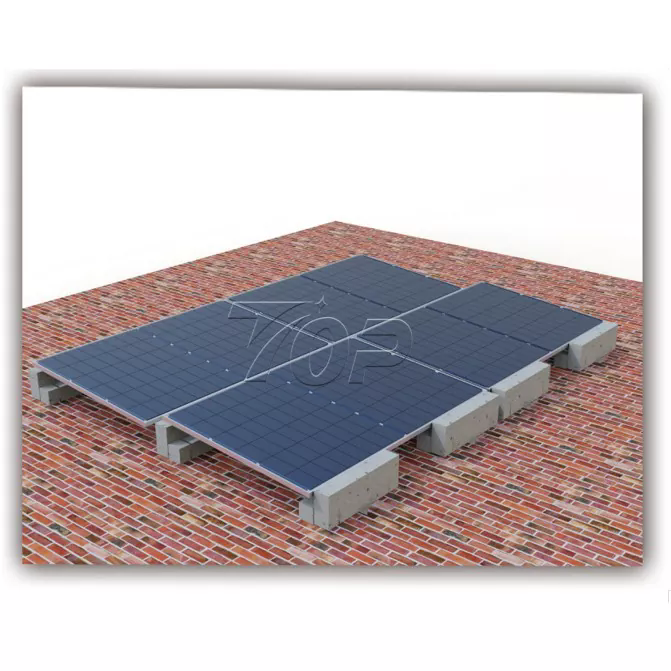
Ballasted Mounts
|
Uses weight blocks instead of roof penetration.
|
Flat commercial roofs
|
|
Flush Mounts
|
Panels sit close to the roof surface.
|
Aesthetic residential installations
|
|
Adjustable Tilt Mounts
|
Allows angle modification for seasonal optimization.
|
High-efficiency energy systems
|
Each type has trade-offs between cost, durability, installation complexity, and energy output efficiency.
Key Benefits and Value
The importance of Solar Panel Roof Mounts extends beyond simple installation convenience. They directly impact system longevity and performance.
-
Structural Safety: Prevents roof damage and panel displacement.
-
Improved Efficiency: Optimized tilt increases sunlight absorption.
-
Weather Resistance: Withstands extreme wind and snow loads.
-
Long-Term Stability: Ensures decades of reliable performance.
-
Installation Flexibility: Compatible with different roof types.
Installation Process Overview
Proper installation is essential for system safety and efficiency. The process typically follows these stages:
-
Roof Inspection: Structural integrity and load capacity evaluation.
-
Layout Design: Determining panel placement and orientation.
-
Anchor Installation: Securing mounting points into roof structure.
-
Rail or Frame Setup: Building the support framework.
-
Panel Fixing: Attaching solar panels securely.
-
Electrical Integration: Connecting wiring and inverter systems.
Professional installation is strongly recommended to avoid structural risks and efficiency losses.
Common Installation Mistakes
Even small errors during installation can lead to significant performance issues or safety hazards.
-
Incorrect roof load assessment
-
Poor waterproof sealing around anchors
-
Improper tilt angle selection
-
Using incompatible mounting hardware
-
Neglecting wind uplift calculations
Avoiding these mistakes ensures long-term system reliability and minimizes maintenance costs.
How to Choose the Right Mount System
Selecting the appropriate Solar Panel Roof Mount system depends on multiple engineering and environmental factors.
Key selection criteria include:
-
Roof type (flat, pitched, metal, tile)
-
Climate conditions (wind, snow, humidity)
-
Panel size and weight
-
Budget constraints
-
Installation complexity
A well-matched system improves both energy efficiency and structural integrity.
Maintenance and Durability
Although Solar Panel Roof Mounts are designed for long-term use, periodic inspection is necessary.
-
Check fasteners for loosening every 6–12 months
-
Inspect corrosion on metal components
-
Ensure waterproof seals remain intact
-
Remove debris around mounting points
High-quality mounting systems can last 20–30 years with minimal maintenance when properly installed.
Cost and Efficiency Considerations
The cost of roof mounting systems varies based on materials, design complexity, and installation requirements. While cheaper systems may reduce upfront investment, they often compromise long-term durability.
|
Factor
|
Impact on Cost
|
Impact on Performance
|
|
Material Quality
|
Higher cost for aluminum/stainless steel
|
Improved durability and corrosion resistance
|
|
Mount Type
|
Ballasted systems often cheaper
|
Less roof penetration risk
|
|
Installation Complexity
|
Labor cost increases
|
Better precision improves efficiency
|
Why Choose Topfencesolar
Topfencesolar is a professional manufacturer specializing in Solar Panel Roof Mounts and related photovoltaic mounting solutions. With a focus on engineering precision, material durability, and global application adaptability, the company provides systems suitable for residential, commercial, and industrial projects.
-
Advanced structural design for high wind resistance
-
Corrosion-resistant materials for long service life
-
Flexible installation solutions for different roof types
-
Quality control across manufacturing processes
By combining technical expertise with practical installation needs, Topfencesolar delivers mounting solutions that improve both safety and energy performance.
Frequently Asked Questions
Q1: Are Solar Panel Roof Mounts universal?
No, they are designed according to roof type, climate, and panel specifications.
Q2: Do roof mounts damage the roof?
When properly installed with sealing systems, roof damage is minimized or eliminated.
Q3: How long do mounting systems last?
High-quality systems typically last 20–30 years depending on environmental conditions.
Q4: Can I install them myself?
DIY installation is not recommended due to structural and electrical risks.
Q5: What affects system efficiency the most?
Tilt angle, orientation, and structural stability are key factors.
Conclusion
Solar Panel Roof Mounts play a foundational role in any rooftop solar energy system. They ensure structural integrity, optimize energy capture, and extend the lifespan of the entire installation. Choosing a high-quality system and ensuring professional installation are essential steps toward long-term performance and safety.
For reliable, engineered mounting solutions, Topfencesolar provides professional-grade products designed to meet diverse global installation requirements.
For more details or customized solutions, contact us at Topfencesolar and start your solar project with confidence.