

How Do Solar Energy Connectors Improve Solar System Efficiency?
2025-12-30
Abstract: Solar Energy Connectors are a vital component in photovoltaic systems, ensuring secure electrical connections and long-term reliability. This article explores the technical specifications, installation practices, common questions, and industry insights on Solar Energy Connectors. Readers will gain an in-depth understanding of how to select, maintain, and optimize connectors for solar applications.
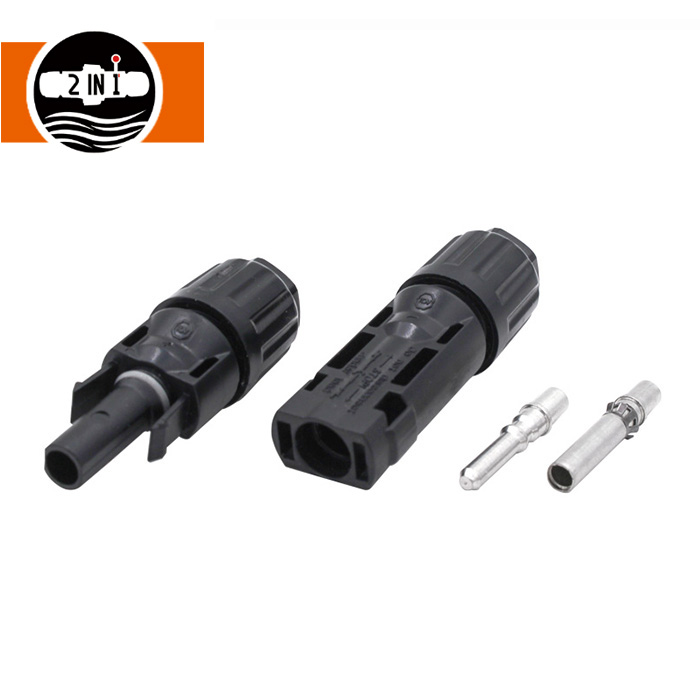
Table of Contents
1. Introduction to Solar Energy Connectors 2. Detailed Product Specifications and Applications 3. Common Questions and Troubleshooting 4. Industry Insights and Future Trends1. Introduction to Solar Energy Connectors
Solar Energy Connectors are specialized electrical connectors designed for photovoltaic (PV) systems. They provide reliable, weather-resistant connections between solar panels, inverters, and other system components. The performance of a solar energy system heavily relies on the quality and durability of these connectors, as improper connections can lead to energy loss or safety hazards.
This article focuses on:
- Technical specifications of solar connectors
- Installation best practices
- Common operational challenges and troubleshooting
- Industry trends affecting connector technology
Understanding Solar Energy Connectors is essential for engineers, installers, and renewable energy enthusiasts seeking to optimize the efficiency and longevity of solar PV systems.
2. Detailed Product Specifications and Applications
Solar Energy Connectors are designed to meet stringent international standards, ensuring safety, durability, and high electrical performance. Below is a detailed overview of typical specifications:
| Parameter | Specification |
|---|---|
| Connector Type | MC4, PV-KST, or customized IP67/IP68 |
| Rated Voltage | 1000V – 1500V DC |
| Rated Current | 20A – 50A |
| Contact Material | High-conductivity copper, tin or silver-plated |
| Insulation Material | UV-resistant and flame-retardant polymer |
| Temperature Range | -40°C to +105°C |
| Ingress Protection | IP67 / IP68 for water and dust resistance |
| Connection Method | Tool-assisted crimping or push-fit locking |
| Applications | Residential, commercial, and utility-scale solar PV systems |
These connectors are widely used in solar arrays, allowing secure series or parallel connections of PV modules. They are engineered for high vibration resistance, UV protection, and corrosion resistance, making them suitable for harsh outdoor environments.
Installation Best Practices
Proper installation is crucial to ensure minimal power loss and maximum safety. Key considerations include:
- Verify polarity before connecting modules
- Use manufacturer-approved crimping tools
- Ensure connectors are fully locked and sealed
- Perform periodic inspection for wear or contamination
3. Common Questions and Troubleshooting
Q1: How to ensure Solar Energy Connectors maintain optimal performance over time?
A1: Regular inspection is essential. Check for corrosion, UV damage, and loose connections. Clean connectors with a dry cloth, avoid water or chemical exposure, and replace any damaged seals or components immediately. Using connectors with high IP ratings ensures longer durability in outdoor installations.
Q2: How to select the right connector type for different solar panels?
A2: Match the connector type to the panel's electrical rating and environmental conditions. MC4 connectors are standard for most residential systems, while higher amperage or IP68-rated connectors suit large-scale installations. Confirm compatibility with the inverter and follow manufacturer guidelines to prevent mismatches.
Q3: How to troubleshoot common connector failures in solar systems?
A3: Common issues include loose contacts, oxidation, and water ingress. Use a multimeter to check continuity and voltage drop across connections. If excessive resistance is detected, replace or reseal connectors. Proper torque application and weatherproofing during installation prevent most failures.
4. Industry Insights and Future Trends
As renewable energy adoption accelerates, Solar Energy Connectors are evolving to meet higher efficiency and reliability standards. Emerging trends include:
- Integration of smart monitoring connectors with IoT for real-time performance tracking
- Enhanced materials for higher thermal and mechanical resilience
- Standardization across international solar projects for seamless interconnectivity
- Eco-friendly and recyclable materials to align with sustainable energy goals
Manufacturers like China Watertight Circular Connectors Factory are at the forefront of innovation, delivering connectors with superior IP ratings, durability, and compliance with global solar standards. Their solutions ensure both safety and energy efficiency in residential and commercial PV systems.
For further inquiries or customized Solar Energy Connector solutions, contact us today to explore tailored options for your solar projects.