

How Do Solar Embedded Anchor Bolts Improve the Stability of Solar Mounting Systems?
2026-06-12
As solar energy projects continue to expand across residential, commercial, and utility-scale applications, the structural integrity of mounting systems has become more important than ever. While solar panels often receive the most attention, the foundation components hidden beneath the surface play an equally critical role in long-term performance.
Among these essential foundation elements, Solar Embedded Anchor Bolts serve as the connection between concrete foundations and solar mounting structures. Properly selected and installed anchor bolts ensure that solar arrays remain stable under wind loads, seismic activity, thermal expansion, and long-term environmental exposure.
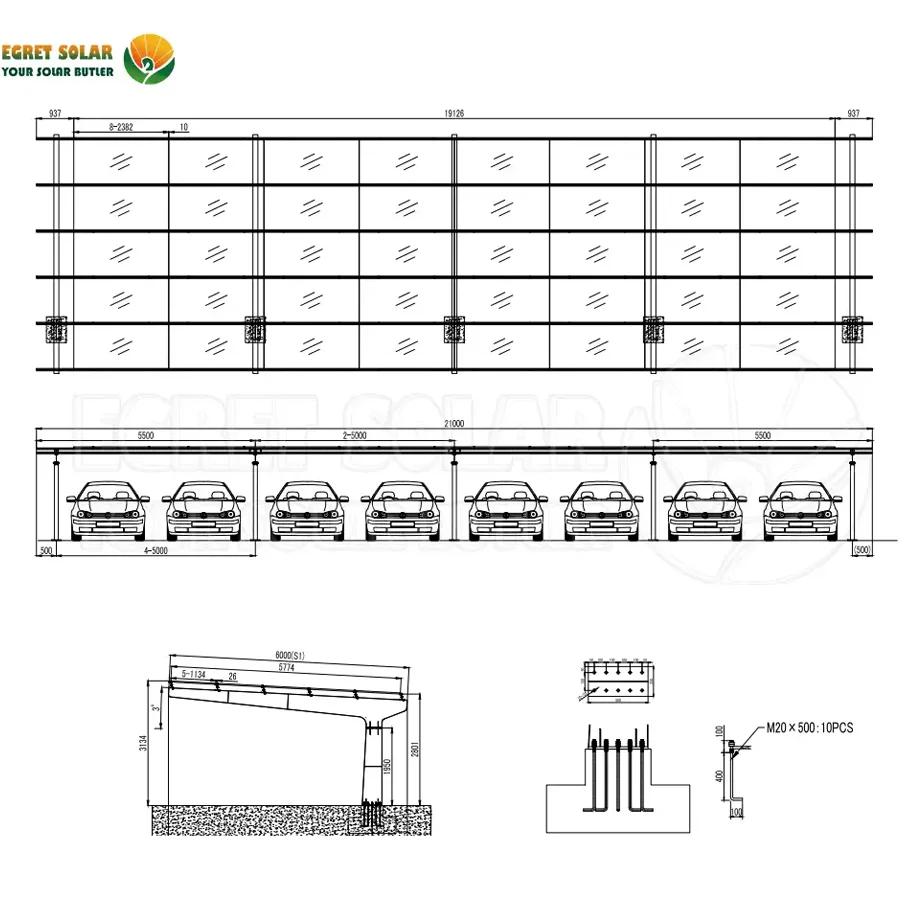
This article explores how solar embedded anchor bolts work, why they are important, common challenges buyers face, and how to choose the right solution for a reliable solar installation.
Table of Contents
- What Are Solar Embedded Anchor Bolts?
- Why Are They Important in Solar Projects?
- How Do Solar Embedded Anchor Bolts Work?
- Common Types of Solar Embedded Anchor Bolts
- Key Benefits for Solar Mounting Systems
- How to Select the Right Anchor Bolts
- Installation Best Practices
- Comparison of Different Foundation Fastening Solutions
- Common Mistakes to Avoid
- Why Choose Professional Solar Fastening Solutions?
- FAQ
What Are Solar Embedded Anchor Bolts?
Solar embedded anchor bolts are specially engineered fastening components that are cast directly into concrete foundations before the concrete cures. Once embedded, these bolts create a permanent and high-strength connection point for solar mounting structures.
Their primary function is to transfer structural loads from the solar racking system into the concrete foundation safely and efficiently. This load transfer capability ensures that solar arrays remain secure throughout decades of operation.
Solar anchor bolts are commonly used in:
- Ground-mounted solar farms
- Utility-scale photovoltaic projects
- Commercial rooftop systems with concrete foundations
- Solar carports
- Agricultural solar installations
- Floating solar platform support structures
Why Are They Important in Solar Projects?
Many solar project developers focus on panel efficiency and inverter performance while overlooking foundation security. However, a weak connection between the mounting structure and foundation can compromise the entire system.
Solar installations are exposed to various external forces, including:
- Strong winds
- Heavy rain and flooding
- Snow accumulation
- Ground settlement
- Seismic activity
- Thermal expansion and contraction
Embedded anchor bolts provide the mechanical strength required to resist these forces while maintaining accurate alignment of the solar array.
How Do Solar Embedded Anchor Bolts Work?
The working principle is relatively straightforward but highly effective.
- Anchor bolts are positioned within formwork before concrete pouring.
- Concrete is poured around the bolts.
- The concrete cures and permanently locks the bolts into place.
- The solar support structure is installed using nuts, washers, and mounting plates.
- Structural loads are transferred from the solar system to the foundation through the anchor bolts.
This integrated connection significantly increases the pull-out resistance and shear strength compared to many surface-mounted fastening methods.
Common Types of Solar Embedded Anchor Bolts
| Anchor Bolt Type | Features | Typical Applications |
|---|---|---|
| L-Type Anchor Bolt | Simple bent design with strong anchoring capability | Small to medium solar foundations |
| J-Type Anchor Bolt | Curved end improves concrete grip | General solar mounting structures |
| Straight Anchor Bolt with Plate | High load-bearing capacity | Large utility-scale projects |
| Double-End Threaded Bolt | Easy adjustment and alignment | Precision mounting systems |
| Custom Anchor Bolt Assemblies | Designed for specific project requirements | Complex engineering projects |
Key Benefits for Solar Mounting Systems
Using high-quality solar embedded anchor bolts provides multiple operational and financial advantages.
Superior Structural Stability
Anchor bolts create a rigid connection between the solar structure and foundation, minimizing movement under dynamic loads.
Long-Term Reliability
Properly manufactured anchor bolts can maintain performance for decades, matching the expected lifespan of modern photovoltaic systems.
Enhanced Safety
Secure foundations reduce the risk of structural failure during extreme weather conditions, protecting equipment and personnel.
Lower Maintenance Costs
Strong fastening systems reduce the likelihood of structural shifting, loosening, or corrective repairs over time.
Improved Load Distribution
Anchor bolts help distribute forces evenly across the foundation, reducing localized stress concentrations.
How to Select the Right Anchor Bolts
Choosing the appropriate anchor bolt requires evaluating several engineering and environmental factors.
| Selection Factor | Consideration |
|---|---|
| Wind Load | Regional wind speed requirements |
| Soil Conditions | Foundation stability and bearing capacity |
| Corrosion Environment | Coastal, industrial, or humid locations |
| Structural Load | Total weight of panels and mounting system |
| Foundation Design | Concrete thickness and reinforcement layout |
| Project Life Expectancy | Long-term durability requirements |
Galvanized and stainless-steel options are often preferred for solar projects due to their excellent corrosion resistance.
Installation Best Practices
Even the highest-quality anchor bolt can fail if installed incorrectly. Following proper installation procedures is essential.
- Verify foundation dimensions before installation.
- Use accurate templates to maintain bolt spacing.
- Check vertical alignment before concrete pouring.
- Prevent bolt movement during concrete placement.
- Allow sufficient curing time.
- Inspect bolt positions before mounting structures.
- Apply recommended torque values during assembly.
Quality control during installation can significantly reduce future maintenance issues and project delays.
Comparison of Different Foundation Fastening Solutions
| Solution | Strength | Durability | Installation Complexity |
|---|---|---|---|
| Embedded Anchor Bolts | Excellent | Excellent | Moderate |
| Mechanical Expansion Anchors | Good | Good | Easy |
| Chemical Anchors | Very Good | Good | Moderate |
| Surface Fasteners | Limited | Moderate | Easy |
For permanent solar installations requiring maximum structural reliability, embedded anchor bolts are often the preferred solution.
Common Mistakes to Avoid
- Selecting bolts without proper load calculations.
- Ignoring environmental corrosion factors.
- Using incorrect embedment depth.
- Failing to maintain installation tolerances.
- Overtightening or undertightening connections.
- Neglecting foundation quality inspections.
- Using non-certified fastening components.
Avoiding these mistakes can greatly improve project safety and operational longevity.
Why Choose Professional Solar Fastening Solutions?
Reliable solar infrastructure starts with reliable foundation components. High-quality embedded anchor bolts help ensure the structural integrity, safety, and long-term profitability of solar projects.
Xiamen Egret Solar New Energy Technology Co., Ltd. specializes in innovative solar mounting solutions and foundation fastening systems designed for a wide range of photovoltaic applications. With extensive industry experience, strict manufacturing standards, and a commitment to product reliability, the company provides anchor bolt solutions that meet the demanding requirements of modern solar projects worldwide.
Whether you are developing a commercial rooftop installation or a utility-scale solar farm, selecting engineered fastening components can significantly improve project performance and reduce lifecycle costs.
Frequently Asked Questions
Q1: What material is commonly used for solar embedded anchor bolts?
A: Carbon steel with hot-dip galvanization and stainless steel are the most common materials due to their strength and corrosion resistance.
Q2: Can anchor bolts be customized for specific projects?
A: Yes. Dimensions, thread specifications, coatings, and configurations can be customized based on engineering requirements.
Q3: How deep should anchor bolts be embedded in concrete?
A: The required embedment depth depends on structural loads, foundation design, and local engineering standards.
Q4: Are embedded anchor bolts suitable for large solar farms?
A: Absolutely. They are widely used in utility-scale solar projects due to their excellent load-bearing capacity and long-term durability.
Q5: How can corrosion be minimized?
A: Selecting hot-dip galvanized or stainless-steel anchor bolts and following proper installation procedures can significantly improve corrosion resistance.
Looking for dependable Solar Embedded Anchor Bolts for your next photovoltaic project? Xiamen Egret Solar New Energy Technology Co., Ltd. offers professional solar mounting and fastening solutions tailored to your specific requirements. Our experienced team can help you select the ideal anchor bolt system for maximum structural performance, durability, and installation efficiency. Contact us today to discuss your project needs and discover how our customized solar solutions can support your success.