Abstract
Solar wall lights are rapidly becoming a preferred outdoor lighting solution for residential, commercial, and industrial environments. By integrating photovoltaic technology, energy-efficient LED systems, and intelligent light control, they provide sustainable illumination without reliance on grid electricity. This article explores how solar wall lights work, their advantages, common user challenges, selection criteria, and real-world applications. It also highlights how Ningbo Hejia Lighting delivers reliable and performance-driven solar lighting solutions designed for long-term outdoor use.
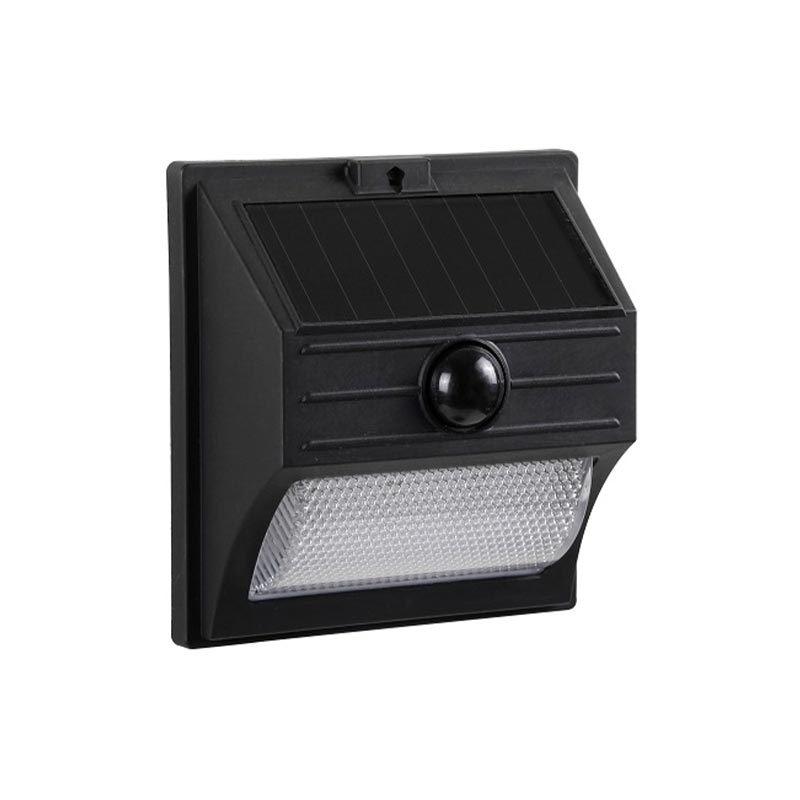
1. Introduction to Solar Wall Lights
Solar wall lights are outdoor lighting fixtures mounted on walls, fences, or exterior structures that use solar panels to capture sunlight and convert it into electrical energy. This energy is stored in rechargeable batteries and used to power LED lights during nighttime. Unlike traditional lighting systems, solar wall lights operate independently from electrical grids, making them highly suitable for remote locations and energy-conscious users.
Modern designs have evolved significantly, incorporating motion sensors, dusk-to-dawn automation, and weather-resistant materials. These improvements have expanded their usage from simple garden lighting to security lighting for homes, hotels, warehouses, and public infrastructure.
2. How Solar Wall Lights Work
Solar wall lights operate through a relatively simple but highly efficient system composed of four main components:
-
Solar Panel: Captures sunlight and converts it into electricity.
-
Rechargeable Battery: Stores energy for nighttime use.
-
LED Light Source: Provides high brightness with low energy consumption.
-
Smart Controller: Manages charging, discharging, and automatic switching.
During the day, the solar panel absorbs sunlight and converts it into electrical energy. This energy is stored in the battery. At night, the controller automatically activates the LED light using the stored energy. Many modern models also include motion detection, which increases brightness only when movement is detected, further optimizing energy usage.
3. Key Benefits
Solar wall lights provide multiple advantages that make them a compelling choice for both residential and commercial users.
-
Energy Independence: No reliance on grid electricity reduces utility costs.
-
Environmental Sustainability: Zero carbon emissions during operation.
-
Low Maintenance: Minimal wiring and fewer components reduce maintenance needs.
-
Easy Installation: No trenching or electrical wiring required.
-
Smart Automation: Built-in sensors ensure efficient operation.
These benefits make solar wall lights a long-term cost-saving investment while supporting sustainable development goals.
4. Common Pain Points Solved
Traditional outdoor lighting systems often come with challenges such as high installation costs, complicated wiring, and ongoing electricity expenses. Solar wall lights address these issues effectively.
-
High Electricity Bills: Eliminates recurring power consumption costs.
-
Frequent Power Outages: Independent operation ensures continuous lighting.
-
Complex Installation: Wireless setup simplifies deployment.
-
Limited Outdoor Coverage: Flexible installation allows lighting in remote areas.
For homeowners and businesses alike, these solutions significantly improve outdoor lighting reliability and affordability.
5. Installation Guide
Installing solar wall lights is straightforward and typically requires only basic tools. However, proper positioning is essential for optimal performance.
-
Select a location with maximum sunlight exposure throughout the day.
-
Ensure the mounting surface is stable and secure.
-
Avoid shaded areas caused by trees, buildings, or structures.
-
Fix the bracket using screws and ensure correct orientation of the solar panel.
-
Test the light after installation by covering the solar panel to simulate night conditions.
Proper installation ensures maximum energy absorption and consistent nighttime illumination.
6. Choosing the Right Solar Wall Lights
Selecting the appropriate solar wall light depends on several technical and environmental factors.
-
Brightness Level: Measured in lumens, depending on usage purpose.
-
Battery Capacity: Determines how long the light can operate at night.
-
Material Quality: Weather-resistant materials ensure durability.
-
Sensor Features: Motion and light sensors improve efficiency.
-
IP Rating: Indicates resistance to dust and water exposure.
Choosing high-quality products ensures longer lifespan and better performance in diverse environmental conditions.
7. Maintenance Tips
Although solar wall lights require minimal maintenance, periodic care can significantly extend their service life.
-
Clean solar panels regularly to remove dust and debris.
-
Inspect mounting brackets for stability.
-
Check battery performance annually.
-
Ensure sensors remain unobstructed.
Routine maintenance ensures consistent energy efficiency and lighting performance.
8. Applications
Solar wall lights are widely used across various environments due to their adaptability and efficiency.
-
Residential gardens, patios, and driveways
-
Commercial building exteriors and signage lighting
-
Industrial perimeter security lighting
-
Public parks and pathways
-
Remote rural infrastructure projects
Their versatility makes them suitable for both decorative and functional lighting needs.
9. Why Ningbo Hejia Lighting
Ningbo Hejia Lighting is a professional manufacturer specializing in advanced solar lighting systems designed for global markets. The company focuses on delivering durable, energy-efficient, and performance-optimized lighting solutions that meet diverse application requirements.
Their solar wall lights are engineered with high-efficiency photovoltaic panels, premium lithium batteries, and intelligent control systems to ensure stable operation even in challenging environments. With a strong emphasis on quality control and product innovation, Ningbo Hejia Lighting continues to support sustainable outdoor lighting solutions worldwide.
10. FAQ
Q: How long do solar wall lights last?
A: High-quality solar wall lights typically last between 3 to 5 years, depending on battery quality and environmental conditions.
Q: Do solar wall lights work on cloudy days?
A: Yes, they can still charge, although performance may be reduced depending on sunlight intensity.
Q: Are solar wall lights waterproof?
A: Most models come with IP65 or higher ratings, making them suitable for outdoor weather conditions.
Q: Can I install solar wall lights myself?
A: Yes, they are designed for easy installation without professional electrical assistance.
Q: Do they require maintenance?
A: Minimal maintenance is required, mainly periodic cleaning of solar panels.
11. Conclusion
Solar wall lights represent a practical and sustainable approach to modern outdoor lighting. By combining renewable energy technology with intelligent automation, they address key challenges such as high energy costs, complex installation, and unreliable power supply. Whether used for residential security or commercial illumination, they deliver consistent performance and long-term value.
Ningbo Hejia Lighting continues to play a significant role in advancing solar lighting innovation, providing reliable solutions that meet global demand for efficient outdoor lighting systems.
For customized solutions, product inquiries, or partnership opportunities, please contact us today and explore how Ningbo Hejia Lighting can support your lighting projects with professional solar wall light solutions.