
How Can Solar Panel Roof Mounts Improve the Safety, Efficiency, and Lifespan of Your Solar Energy System?
2026-06-10
As solar energy adoption continues to grow across residential, commercial, and industrial sectors, choosing the right mounting system has become just as important as selecting high-quality solar panels. Solar Panel Roof Mounts serve as the structural foundation of a solar installation, ensuring that panels remain secure, properly aligned, and capable of delivering optimal energy output throughout their service life.
Many property owners focus heavily on panel efficiency while overlooking the importance of roof mounting systems. However, poorly designed or improperly selected mounts can lead to reduced energy production, roof damage, costly maintenance, and even safety risks during extreme weather conditions.
This guide explores how Solar Panel Roof Mounts contribute to system performance, what factors should influence your selection, and why working with an experienced manufacturer such as Topfencesolar can help maximize your solar investment.
Article Summary
Solar Panel Roof Mounts play a critical role in securing photovoltaic modules, optimizing panel angles, protecting roofing structures, and improving long-term energy generation. This article explains the different mounting options, key selection criteria, installation considerations, maintenance requirements, and common customer challenges. It also provides practical recommendations for choosing reliable mounting systems for various roofing types and environmental conditions.
Table of Contents
- Why Are Solar Panel Roof Mounts So Important?
- Types of Solar Panel Roof Mounts
- Key Benefits of High-Quality Roof Mounting Systems
- How to Choose the Right Solar Panel Roof Mounts
- Roof Mount Comparison Table
- Installation Considerations
- Maintenance and Long-Term Reliability
- Common Mistakes to Avoid
- Why Choose Topfencesolar?
- Frequently Asked Questions
Why Are Solar Panel Roof Mounts So Important?
Solar panels are constantly exposed to environmental stress, including wind, rain, snow, temperature fluctuations, and ultraviolet radiation. Without a reliable mounting structure, even the most advanced photovoltaic modules cannot perform effectively over time.
Solar Panel Roof Mounts perform several essential functions:
- Secure solar panels to the roof structure.
- Distribute loads evenly to prevent roof damage.
- Maintain proper panel orientation and tilt.
- Improve airflow beneath panels for cooling.
- Protect installations during harsh weather conditions.
- Support long-term system stability and durability.
A robust mounting system helps reduce maintenance costs while maximizing the return on investment of the entire solar project.
Types of Solar Panel Roof Mounts
Different roof structures require different mounting solutions. Understanding available options helps property owners select the most suitable system.
| Mount Type | Suitable Roof | Advantages |
|---|---|---|
| Rail-Based Mounting | Metal, tile, asphalt roofs | Strong support and flexible panel positioning |
| Rail-Less Mounting | Residential roofs | Reduced material usage and faster installation |
| Standing Seam Clamp Systems | Standing seam metal roofs | No roof penetration required |
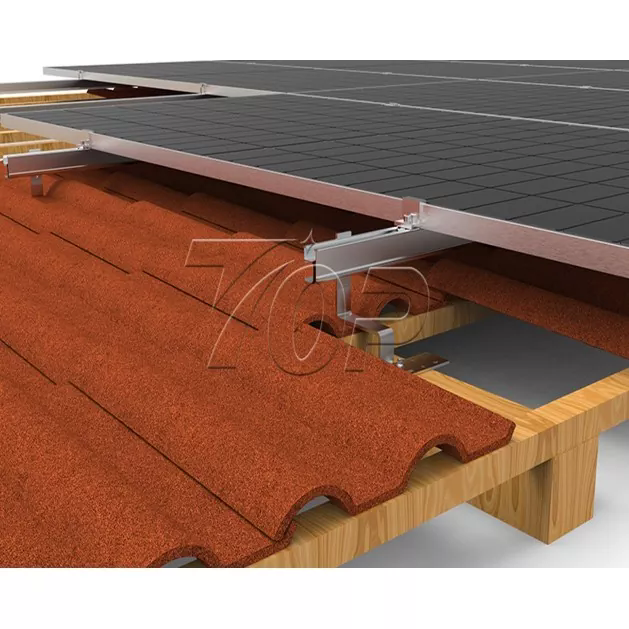
| Tile Roof Mounts | Clay and concrete tile roofs | Protect roof integrity while ensuring stability |
| Flat Roof Ballasted Systems | Commercial flat roofs | Minimal roof penetration and easy deployment |
| Adjustable Tilt Systems | Flat roofs | Improved solar exposure and energy yield |
The ideal choice depends on roof design, local weather conditions, structural load capacity, and project goals.
Key Benefits of High-Quality Roof Mounting Systems
Investing in premium Solar Panel Roof Mounts offers benefits that extend far beyond basic panel support.
-
Enhanced Structural Security
Properly engineered mounts resist uplift forces from strong winds and storms. -
Higher Energy Production
Correct tilt angles and positioning allow panels to capture more sunlight throughout the year. -
Roof Protection
Well-designed mounting systems minimize water intrusion risks and preserve roof integrity. -
Long Service Life
Corrosion-resistant aluminum and stainless-steel components withstand decades of outdoor exposure. -
Lower Maintenance Costs
Reliable systems reduce the likelihood of loose components and structural failures. -
Faster Installation
Pre-engineered mounting solutions streamline project timelines and labor requirements.
When combined with quality photovoltaic modules, durable mounting systems help ensure consistent performance throughout the lifespan of the solar array.
How to Choose the Right Solar Panel Roof Mounts
Selecting the right mounting system involves evaluating several technical and environmental factors.
1. Roof Type
Asphalt shingles, metal roofs, tile roofs, and flat roofs all require specialized mounting hardware. Compatibility with the existing roof structure should be the first consideration.
2. Wind and Snow Loads
Regions exposed to hurricanes, heavy snowfall, or strong seasonal winds require mounting systems engineered for higher load capacities.
3. Material Quality
Look for systems manufactured from anodized aluminum, stainless steel, or other corrosion-resistant materials that can withstand long-term outdoor exposure.
4. Installation Efficiency
Pre-assembled components and simplified designs can significantly reduce installation time and labor costs.
5. System Expandability
Property owners planning future solar expansion should choose mounting systems that allow flexible modifications and additional panel integration.
6. Certification and Testing
Products should undergo rigorous structural testing to ensure compliance with industry standards and regional building requirements.
Roof Mount Comparison Table
| Factor | Standard Mounting | Premium Roof Mounting System |
|---|---|---|
| Corrosion Resistance | Moderate | Excellent |
| Wind Resistance | Basic | High |
| Installation Speed | Average | Fast |
| Roof Protection | Limited | Enhanced |
| Expected Service Life | 10–15 Years | 25+ Years |
| Maintenance Requirements | Higher | Lower |
Although premium mounting systems may involve a slightly higher initial investment, they often generate significant savings through reduced maintenance and improved energy production.
Installation Considerations
Successful solar installations depend on both product quality and installation expertise.
- Conduct a structural roof assessment before installation.
- Verify local building code requirements.
- Ensure proper waterproofing around roof penetrations.
- Use manufacturer-recommended fasteners and accessories.
- Maintain proper spacing for ventilation beneath panels.
- Confirm torque specifications during assembly.
- Inspect all connections before system commissioning.
Attention to these details helps prevent performance issues and extends the lifespan of both the roof and solar array.
Maintenance and Long-Term Reliability
While Solar Panel Roof Mounts generally require minimal maintenance, periodic inspections are recommended.
Routine checks should include:
- Inspecting fasteners for loosening.
- Checking for corrosion or surface degradation.
- Examining waterproof seals and flashing components.
- Verifying structural alignment after severe weather events.
- Removing debris that may accumulate around mounting hardware.
Preventive maintenance helps identify minor issues before they become expensive repairs.
Common Mistakes to Avoid
Many solar project challenges can be traced back to mounting system selection errors.
- Choosing mounts without considering roof type.
- Using low-quality materials in coastal or humid environments.
- Ignoring local wind and snow load requirements.
- Overlooking roof waterproofing measures.
- Selecting products solely based on price.
- Failing to perform regular inspections.
Avoiding these mistakes can significantly improve system reliability and long-term performance.
Why Choose Topfencesolar?
Topfencesolar specializes in advanced solar mounting solutions designed for residential, commercial, and industrial solar projects. The company focuses on delivering durable, high-performance Solar Panel Roof Mounts engineered to meet demanding environmental conditions while simplifying installation processes.
Key advantages of Topfencesolar solutions include:
- High-strength aluminum alloy construction.
- Excellent corrosion resistance.
- Compatibility with multiple roof types.
- Optimized structural design for easy installation.
- Reliable performance under challenging weather conditions.
- Comprehensive support for global solar projects.
Whether the project involves a residential rooftop system or a large-scale commercial installation, selecting a dependable mounting solution is essential for maximizing solar investment value.
Frequently Asked Questions
Q1: How long do Solar Panel Roof Mounts typically last?
High-quality aluminum and stainless-steel mounting systems can often last 25 years or longer when properly installed and maintained.
Q2: Can roof mounts damage my roof?
When professionally installed with proper flashing and waterproofing techniques, roof mounts should not damage the roof structure.
Q3: Which roof type is easiest for solar mounting?
Standing seam metal roofs are often considered among the easiest because many mounting systems can be installed without roof penetrations.
Q4: Do roof mounts affect solar panel efficiency?
Yes. Proper tilt angles, orientation, and ventilation provided by quality mounting systems can improve overall energy production.
Q5: Are Solar Panel Roof Mounts suitable for extreme weather?
Premium mounting systems are specifically engineered to withstand high winds, heavy snow loads, and other challenging environmental conditions.
Conclusion
Solar Panel Roof Mounts are a critical component of every solar energy system. They influence safety, durability, installation efficiency, and long-term energy production. Choosing the right mounting solution helps protect both the solar investment and the underlying roof structure while ensuring reliable performance for decades.
If you are looking for durable, professionally engineered Solar Panel Roof Mounts that deliver long-term reliability and installation efficiency, Topfencesolar is ready to support your project. Whether you need solutions for residential rooftops, commercial facilities, or large-scale solar developments, contact us today to discuss your requirements and discover the ideal mounting system for your next solar installation.