Abstract
The rapid rise of urban living has created a growing demand for compact, efficient, and flexible renewable energy solutions. A Solar Balcony Mounting System is designed specifically for apartments, condos, and limited rooftop environments where traditional photovoltaic installations are not feasible. This article explores how balcony-mounted solar systems work, their advantages, installation considerations, and long-term value. It also addresses common user concerns such as safety, compatibility, durability, and return on investment. By the end, readers will understand why balcony solar solutions are becoming a practical gateway to decentralized clean energy adoption.
Introduction: The Rise of Balcony Solar
Urbanization has significantly limited access to traditional rooftop solar installations. Millions of apartment residents are unable to participate in clean energy generation due to structural constraints, rental agreements, or building regulations. The Solar Balcony Mounting System addresses this gap by enabling photovoltaic panels to be installed directly on balcony railings or facades.
Unlike large rooftop arrays, balcony solar systems are modular, lightweight, and designed for plug-and-play functionality in many cases. This makes them a highly attractive option for renters, small homeowners, and environmentally conscious urban dwellers seeking energy independence without structural modification.
Key User Pain Points
-
Limited installation space: Urban residents often lack roof access.
-
Regulatory restrictions: HOA or building codes may prohibit rooftop modifications.
-
High upfront cost: Traditional solar installations require significant investment.
-
Complex installation: Many systems require professional structural engineering.
-
Safety concerns: Wind load and mounting stability are critical issues.
A properly engineered Solar Balcony Mounting System is designed to directly address these barriers by offering compact structure integration, simplified installation, and enhanced safety engineering.
What Is a Solar Balcony Mounting System?
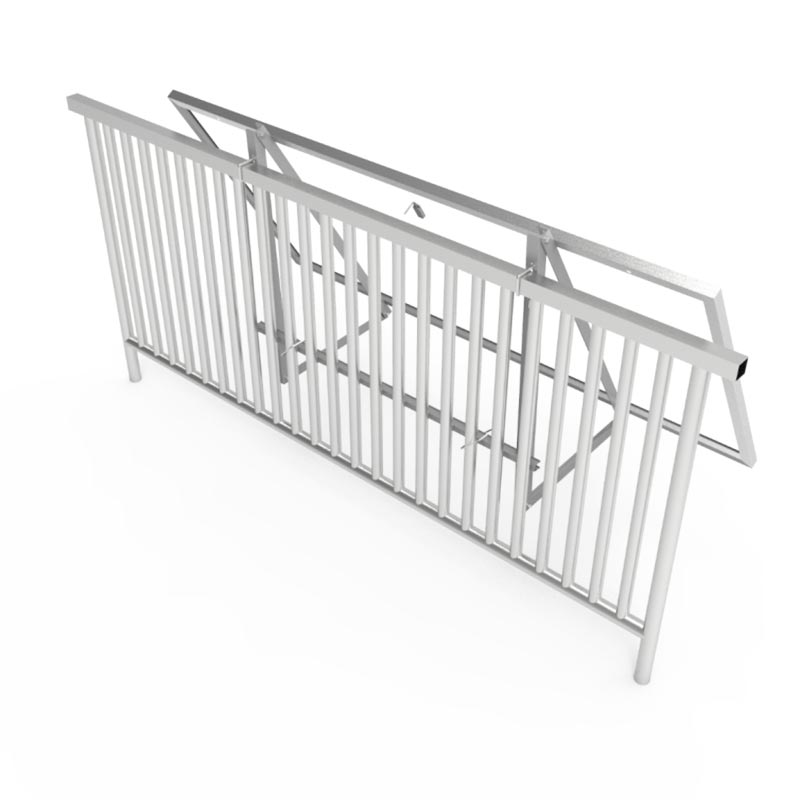
A Solar Balcony Mounting System is a structural framework that securely attaches photovoltaic panels to balcony railings, walls, or parapets. It typically includes aluminum alloy brackets, stainless steel fasteners, tilt-adjustable frames, and anti-corrosion coatings.
These systems are engineered to withstand wind pressure, vibration, and long-term environmental exposure while maintaining optimal panel orientation for solar exposure. Many designs allow tilt adjustments between 10°–30° to maximize energy yield depending on geographic location.
Core Benefits
-
Space optimization: Converts unused balcony space into power generation assets.
-
Easy deployment: Modular systems reduce installation complexity.
-
Scalability: Users can start small and expand over time.
-
Low structural impact: No rooftop penetration required.
-
Energy independence: Reduces reliance on grid electricity.
In addition, balcony solar systems are particularly suitable for renters, as many models can be removed and relocated without damaging the property structure.
Installation Overview
Installing a Solar Balcony Mounting System typically involves the following steps:
-
Assessment of balcony structure and load capacity
-
Selection of compatible mounting brackets
-
Fixing the frame onto railing or wall anchor points
-
Securing photovoltaic panels onto the frame
-
Adjusting tilt angle for optimal sunlight exposure
-
Connecting to microinverter or plug-in system
Most systems are designed for minimal tooling requirements, making them suitable for DIY installation in many cases. However, structural evaluation is recommended for high-wind regions.
Comparison Table: Balcony Solar vs Traditional Rooftop Solar
|
Feature
|
Balcony Solar System
|
Rooftop Solar System
|
|
Installation Space
|
Balcony railing or wall
|
Full rooftop required
|
|
Installation Complexity
|
Low to moderate
|
High
|
|
Cost
|
Lower initial investment
|
Higher capital cost
|
|
Flexibility
|
High (portable in many cases)
|
Low (fixed installation)
|
|
Energy Output
|
Moderate
|
High
|
Maintenance and Durability
Solar Balcony Mounting Systems are typically constructed using anodized aluminum and stainless steel components to resist corrosion. Maintenance requirements are minimal but include periodic inspection of fasteners, cleaning of solar panels, and verification of structural stability.
In dusty or coastal environments, cleaning frequency may increase to ensure optimal energy conversion efficiency. Most systems are designed for 15–25 years of structural lifespan depending on environmental conditions.
Safety and Compliance Considerations
Safety is a critical factor in balcony-mounted solar installations. Systems must comply with local building codes and wind-load standards. Proper load distribution ensures that balcony railings are not overstressed.
High-quality systems incorporate:
-
Wind-resistant structural reinforcement
-
Anti-slip mounting brackets
-
Corrosion-resistant coatings
-
Electrical grounding provisions
It is strongly recommended to verify compliance with local regulations before installation.
Cost and Return on Investment
The return on investment for a Solar Balcony Mounting System depends on electricity rates, system size, and sunlight availability. While output is lower than rooftop systems, reduced installation costs and flexibility often improve payback periods for urban users.
Key economic advantages include:
-
Lower upfront capital requirement
-
Reduced electricity bills over time
-
Minimal maintenance costs
-
Potential government incentives in some regions
For many households, balcony solar serves as a gateway entry point into renewable energy adoption without long-term infrastructure commitment.
FAQ
Q1: Can a Solar Balcony Mounting System power an entire apartment?
It depends on system size and energy consumption. Most balcony systems offset partial electricity usage rather than fully powering an entire household.
Q2: Is professional installation required?
Not always. Many systems are designed for DIY installation, but professional assessment is recommended for safety in high-rise buildings.
Q3: Will it damage my balcony?
Properly engineered systems use non-invasive mounting methods and do not require drilling in most configurations.
Q4: How long does the system last?
Structural components typically last 15–25 years with proper maintenance.
Q5: Can I take it with me if I move?
Yes, many balcony mounting systems are modular and relocatable.
Conclusion
The Solar Balcony Mounting System represents a practical evolution in urban renewable energy adoption. By transforming limited balcony space into a functional energy-generating platform, it bridges the gap between sustainability goals and real-world residential constraints.
Manufacturers such as CYC Energy are actively advancing this technology with engineered mounting solutions designed for durability, safety, and efficiency. If you are exploring balcony solar solutions or need a customized system recommendation, CYC Energy contact us to discuss how to integrate a reliable balcony mounting system into your energy strategy.