

How Can Solar Agricultural Mounting System Enhance Farming Efficiency and Renewable Energy Yield?
2026-01-27
Article Summary
Solar Agricultural Mounting Systems are engineered support frameworks designed to install solar photovoltaic (PV) modules in agricultural environments, enabling simultaneous crop production and clean energy generation. This article examines the technical considerations, structural design logic, installation practices, and crop compatibility that underpin successful agrivoltaic implementations. By addressing key challenges such as land use optimization, equipment resilience, and integration with agricultural activities, this guide serves as a reference for project planners, farm owners, and energy professionals seeking high-performance solar mounting solutions.
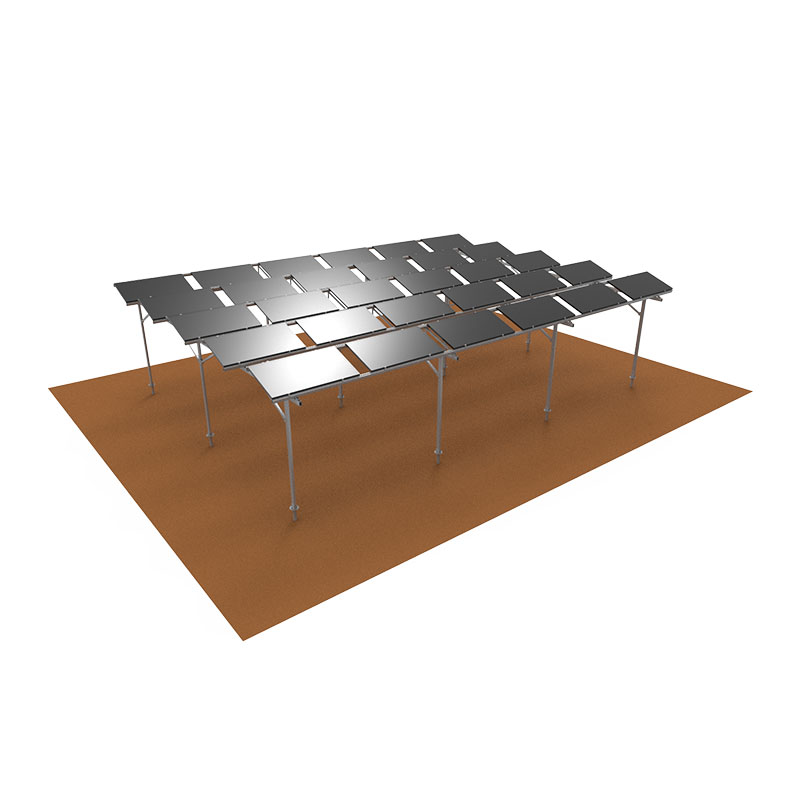
Table of Contents
- Article Outline
- Understanding Solar Agricultural Mounting System
- Core Technical Design and Structural Considerations
- Benefits and Application Scenarios
- Installation Best Practices
- Frequently Asked Questions
- Conclusion and Contact
Article Outline
- Introduction to agrivoltaics as a land-efficient energy solution
- Structural and material design essentials for agricultural solar mounts
- Food and energy co-production benefits
- Site planning and installation protocols
- Common implementation questions answered
- Brand reference and how to contact for project support
Understanding Solar Agricultural Mounting System
Solar Agricultural Mounting Systems are a specific category of solar PV mounting designed for agricultural lands where crop cultivation coexists with energy generation. These systems elevate PV modules above ground at heights and spacing that maintain sufficient sunlight for crops and enable farm machinery access. The concept leverages agrivoltaics — the dual use of land for farming and photovoltaic energy production. :contentReference[oaicite:0]{index=0}
Traditional ground-mounted solar arrays or rooftop systems focus solely on energy production, often requiring dedicated space that competes with agricultural use. In contrast, agricultural mounting structures create a framework wherein land serves both purposes effectively, addressing the growing need to maximize land use efficiency and diversify farm revenue streams. :contentReference[oaicite:1]{index=1}
Core Technical Design and Structural Considerations
Successful Solar Agricultural Mounting System design starts with material selection and engineered structural resilience. Components are expected to withstand dynamic loads, such as wind and snow, while maintaining long-term outdoor durability.
Materials and Durability
- Aluminum Alloy and Stainless Steel: Corrosion resistance and lightweight characteristics improve ease of installation and lifespan. :contentReference[oaicite:2]{index=2}
- Foundation Options: Concrete footings or ground screw anchors secure system stability across soil types. :contentReference[oaicite:3]{index=3}
- Surface Treatment: Anodizing and galvanization enhance resistance to weathering, chemical exposure, and agricultural runoff. :contentReference[oaicite:4]{index=4}
Structural Geometry Parameters
| Parameter | Typical Specification |
|---|---|
| Installation Height | 2.5–5 m above ground (adjustable based on crop type) |
| Material Grades | Aluminum 6005-T5 & Steel Q235B/SUS304 |
| Wind Load Capacity | Up to 60 m/s |
| Snow Load Capacity | Up to 1.4–1.6 kN/m² |
| Adjustable Tilt Range | 0°–30° (varies by design) |
| Service Life | 25+ years (depending on material and climate) |
This configuration balances structural strength with flexibility required for diverse agricultural landscapes, from flat plains to fields with active cultivation or livestock movement.
Benefits and Application Scenarios
Agricultural solar mounting solutions provide tangible improvements in land utilization and farm-level economics. The following outlines core application values:
- Dual Land Use: Solar panels installed above crops preserve ground area for cultivation or livestock grazing. :contentReference[oaicite:5]{index=5}
- Improved Microclimate: Partial shading can reduce soil moisture evaporation, lower crop stress in heat, and extend growing seasons. :contentReference[oaicite:6]{index=6}
- Power Supply Reliability: Electricity generated can offset farm energy costs for irrigation, lighting, and processing systems. :contentReference[oaicite:7]{index=7}
- Revenue Diversification: Excess energy can be sold back to grids or used to attract additional funding. :contentReference[oaicite:8]{index=8}
- Equipment Access: Elevated designs maintain clearance for tractors and machinery, ensuring normal farm work is unhindered. :contentReference[oaicite:9]{index=9}
Installation Best Practices
Optimizing agrivoltaic systems begins with site assessment and planning. Prior to installation, evaluation of sunlight patterns, soil stability, drainage, and existing agricultural operations is essential.
- Perform land survey to determine optimal panel row orientation and spacing.
- Select foundation type according to soil composition and load requirements.
- Configure panel height and tilt to balance crop light exposure with energy generation.
- Coordinate with farm operations to avoid disruption during installation and maintenance cycles.
Following these steps reduces post-installation adjustments and supports long-term system reliability.
Frequently Asked Questions
Q: What makes Solar Agricultural Mounting Systems different from standard ground-mount solar arrays?
A: Unlike standard arrays that occupy land exclusively for energy production, agricultural mounting systems elevate panels to keep the ground usable for crops or livestock, integrating dual land use without compromising farming operations. :contentReference[oaicite:10]{index=10}
Q: How do these systems support crop growth under solar panels?
A: Strategic elevation and row spacing allow sunlight penetration and proper air circulation, often creating a microclimate that can reduce heat stress and improve soil moisture retention, depending on crop type and design configuration. :contentReference[oaicite:11]{index=11}
Q: Are agricultural solar mounting systems suitable for all types of farmland?
A: While generally versatile, site-specific factors like terrain slope, crop height, and irrigation infrastructure may influence design adaptations. Professional assessment ensures system parameters are aligned with agricultural and environmental conditions. :contentReference[oaicite:12]{index=12}
Conclusion and Contact
Solar Agricultural Mounting Systems present a practical approach to unlocking dual benefits from the same parcel of land — enabling food production and renewable energy generation concurrently. Their engineered structures, durable materials, and thoughtful integration into farming operations help address key challenges in land use efficiency and farm-level energy resilience.
CYC Energy offers tailored Solar Agricultural Mounting System solutions designed for long-term performance and compatibility with diverse farming practices. For detailed project guidance, product specifications, or to explore customized designs, contact us to discuss how these systems can elevate your agricultural and energy goals.