

How Can a Solar Tile Roof Mounting System Transform Your Energy Setup?
2026-06-03
Article Summary
Solar energy adoption is growing rapidly, and the way solar panels are installed plays a crucial role in maximizing efficiency and longevity. Solar tile roof mounting systems offer a modern solution for homeowners and businesses looking to integrate solar energy without compromising aesthetics or structural integrity. This article explores how these systems work, their benefits, installation considerations, and answers common questions to help you make informed decisions.
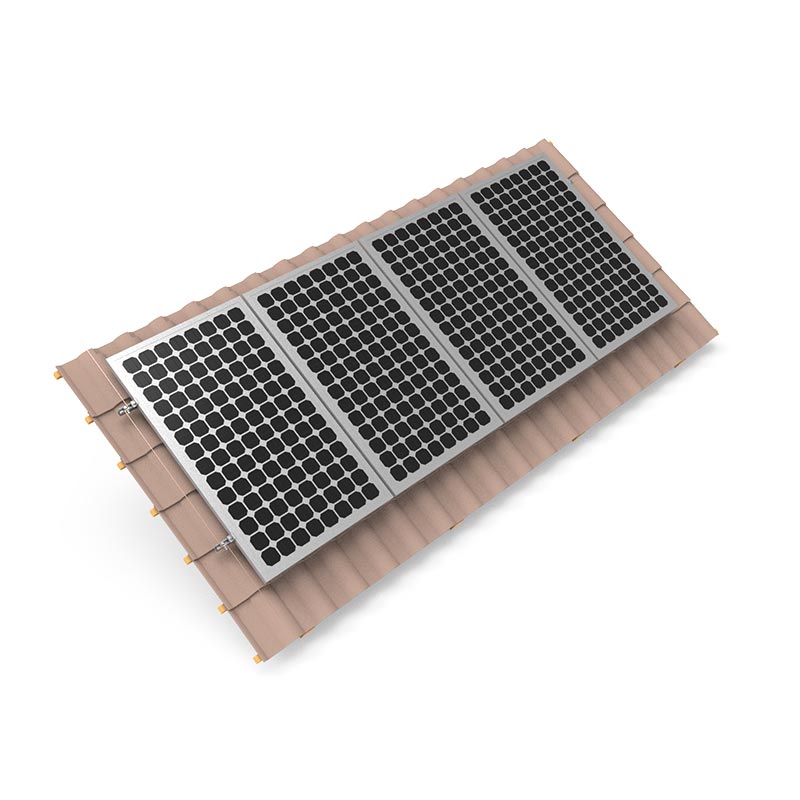
Table of Contents
- Introduction to Solar Tile Roof Mounting Systems
- Key Benefits of Solar Tile Mounting Systems
- Installation Process Explained
- Maintenance Tips for Longevity
- Common Issues and Solutions
- Frequently Asked Questions
- Conclusion and Contact Information
Introduction to Solar Tile Roof Mounting Systems
Solar tile roof mounting systems are designed to integrate photovoltaic panels seamlessly into your existing roof structure. Unlike traditional solar panels that sit on top of the roof, solar tiles are installed flush with the roof surface, providing a sleek and visually appealing alternative. These systems are ideal for residential and commercial properties seeking to optimize space, maintain aesthetic appeal, and increase energy efficiency.
Key Benefits of Solar Tile Mounting Systems
Adopting a solar tile roof mounting system brings several advantages:
- Aesthetic Integration: Solar tiles blend with existing roof materials, offering a more visually pleasing alternative to traditional solar panels.
- Durability: High-quality solar tiles are designed to withstand harsh weather conditions, including rain, snow, and wind.
- Energy Efficiency: By optimizing the angle and exposure of each tile, energy production is maximized.
- Space Optimization: Tiles can cover the entire roof area, providing greater energy output without additional land use.
- Long-Term Savings: Reduced energy bills and potential tax incentives make solar tiles a financially sound investment.
Installation Process Explained
The installation of solar tile roof mounting systems involves several critical steps:
- Roof Assessment: Inspect your roof structure to ensure it can support solar tiles.
- Mounting System Selection: Choose a mounting system compatible with your roof type and tile design.
- Tile Installation: Carefully install solar tiles, ensuring alignment and secure attachment to the roof.
- Electrical Integration: Connect the tiles to the inverter and electrical system safely and efficiently.
- Testing and Commissioning: Perform system tests to ensure optimal performance and safety.
Below is a comparison table highlighting different mounting methods:
| Mounting Type | Best For | Advantages | Considerations |
|---|---|---|---|
| Flush Mount | Residential | Sleek appearance, weatherproof | Requires precise alignment |
| Adjustable Tilt Mount | Maximized Energy Output | Optimized angle for sunlight | May require additional structural support |
| Integrated Tile Mount | New Roof Installation | Seamless integration | Higher upfront cost |
Maintenance Tips for Longevity
Proper maintenance ensures your solar tile system operates efficiently for decades. Key tips include:
- Regular cleaning to remove dust, leaves, or snow accumulation.
- Routine inspection for cracks or loose tiles.
- Monitoring energy output through smart systems to detect anomalies early.
- Professional servicing at least once every 2–3 years.
- Ensuring gutters and drainage channels are clear to prevent water damage.
Common Issues and Solutions
Even with advanced technology, some challenges may arise:
- Shading: Overhanging trees or nearby structures may reduce efficiency. Solution: Trim trees or install microinverters for partial shading management.
- Tile Damage: Cracks due to impact or extreme weather. Solution: Replace damaged tiles promptly with compatible models.
- Wiring Faults: Loose connections can affect performance. Solution: Regular electrical inspections and tightening of connectors.
- Roof Leaks: Improper installation can cause leaks. Solution: Ensure professional installation with waterproofing measures.
Frequently Asked Questions
- Q1: Can solar tiles be installed on all roof types?
- A: Solar tiles are most effective on pitched roofs with sufficient sunlight exposure. Flat or irregular roofs may require custom solutions.
- Q2: How long do solar tiles last?
- A: High-quality solar tiles can last 25–30 years with proper maintenance.
- Q3: Are solar tiles more expensive than traditional panels?
- A: The initial cost is higher due to integration and aesthetics, but long-term energy savings and incentives often offset this.
- Q4: Do solar tiles require special cleaning?
- A: Generally, regular rainwater cleans the tiles. Manual cleaning may be needed for heavy dust or debris.
- Q5: Can solar tiles increase property value?
- A: Yes, homes with integrated solar solutions are often more attractive to buyers, potentially increasing resale value.
Conclusion and Contact Information
Solar tile roof mounting systems represent the future of residential and commercial solar installations. They combine aesthetic appeal, durability, and high energy efficiency, making them an ideal choice for environmentally conscious property owners. Proper installation and maintenance ensure long-term performance and savings. For professional guidance and installation of solar tile systems, CYC Energy offers expert solutions tailored to your property needs. Contact us today to start your sustainable energy journey.