
How Can a Solar Fence Mounting System Maximize Space and Energy Output?
2026-03-24
Article Summary
A solar fence mounting system is an innovative solution designed to combine boundary fencing with solar energy generation. This dual-purpose structure allows users to optimize land usage while producing clean electricity. This article explores how solar fence systems work, their advantages, technical specifications, installation considerations, and how to select the right system based on project requirements. It also addresses common concerns such as durability, cost efficiency, and adaptability to different terrains.
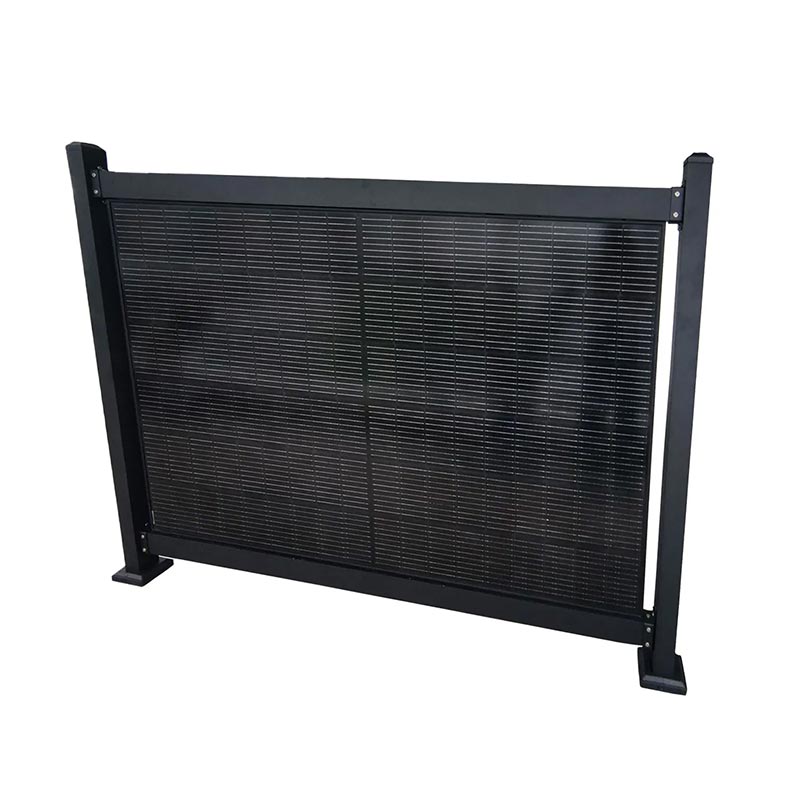
Table of Contents
- 1. What Is a Solar Fence Mounting System?
- 2. How Does a Solar Fence Mounting System Work?
- 3. Key Benefits for Users
- 4. Technical Parameters and Components
- 5. Application Scenarios
- 6. How to Choose the Right System
- 7. Installation and Maintenance Guidelines
- 8. Frequently Asked Questions
- 9. Conclusion
1. What Is a Solar Fence Mounting System?
A solar fence mounting system is a structural solution that integrates photovoltaic panels into fencing infrastructure. Instead of installing solar panels on rooftops or ground-mounted arrays, this system transforms perimeter fencing into a functional energy-generating asset.
It is particularly suitable for industrial zones, agricultural land, commercial properties, and remote facilities where space utilization is critical. By combining protection and power generation, it eliminates the need for additional land allocation.
2. How Does a Solar Fence Mounting System Work?
The system works by securely mounting solar panels onto a specially designed fence structure. These panels are positioned to capture sunlight efficiently while maintaining the structural integrity of the fence.
- Solar panels convert sunlight into electricity
- Mounting brackets ensure stability and correct tilt angle
- Fence posts provide foundational support
- Inverters convert DC electricity into usable AC power
Depending on the design, panels can be installed in vertical or slightly tilted orientations to balance energy efficiency and wind resistance.
3. Key Benefits for Users
Customers often face challenges such as limited installation space, high energy costs, and the need for secure perimeters. A solar fence mounting system addresses these issues effectively.
- Space Optimization: Utilizes existing boundary areas
- Dual Functionality: Combines fencing and power generation
- Cost Efficiency: Reduces electricity expenses over time
- Scalability: Easily expandable based on project size
- Enhanced Security: Maintains property protection
For large-scale installations, the ability to generate energy without occupying valuable land significantly improves return on investment.
4. Technical Parameters and Components
| Component | Description |
| Material | Hot-dip galvanized steel or aluminum alloy |
| Panel Orientation | Vertical or adjustable tilt (5°–30°) |
| Wind Resistance | Up to 40 m/s depending on design |
| Corrosion Resistance | Anti-rust coating for long-term durability |
| Foundation Type | Driven piles or concrete base |
| Installation Method | Modular assembly for fast deployment |
| Lifespan | 20–25 years |
CYC Energy offers robust solar fence mounting systems engineered for durability, efficiency, and adaptability across various environmental conditions.
5. Application Scenarios
Solar fence mounting systems are versatile and can be deployed in multiple environments:
- Industrial parks and manufacturing facilities
- Agricultural farms and livestock enclosures
- Commercial properties and warehouses
- Highway and railway boundaries
- Remote or off-grid locations
These applications benefit from both energy generation and perimeter security, making the system highly practical.
6. How to Choose the Right System
Selecting the appropriate solar fence mounting system requires careful evaluation of project-specific factors:
- Site Conditions: Terrain, soil type, and wind load
- Energy Requirements: Expected power output
- Material Quality: Corrosion resistance and durability
- Installation Complexity: Ease of assembly and labor requirements
- Compliance: Local regulations and safety standards
Working with experienced manufacturers ensures optimized design and reliable performance throughout the system's lifecycle.
7. Installation and Maintenance Guidelines
Proper installation and maintenance are essential to ensure system longevity and efficiency.
- Conduct site surveys before installation
- Ensure proper alignment for maximum sunlight exposure
- Use corrosion-resistant materials for outdoor durability
- Inspect connections and structural components regularly
- Clean solar panels periodically to maintain efficiency
Routine maintenance minimizes performance loss and extends the service life of the system.
8. Frequently Asked Questions
Q1: Is a solar fence system as efficient as rooftop solar?
While vertical installations may produce slightly less energy than optimally tilted rooftop systems, they compensate by utilizing otherwise unused space, resulting in overall efficiency gains.
Q2: Can the system withstand extreme weather conditions?
Yes. High-quality systems are designed to resist strong winds, corrosion, and temperature variations, ensuring reliable operation in harsh environments.
Q3: Is installation complicated?
Most systems feature modular designs, making installation relatively straightforward for professional teams and reducing labor time.
Q4: What is the return on investment?
ROI depends on energy prices, system size, and location, but users typically benefit from long-term savings and reduced reliance on grid electricity.
9. Conclusion
A solar fence mounting system represents a smart and efficient way to integrate renewable energy into existing infrastructure. By combining energy generation with boundary protection, it offers a practical solution for modern energy challenges.
CYC Energy is committed to delivering high-performance solar mounting solutions tailored to diverse project needs, ensuring reliability, durability, and optimal energy output.
If you are planning to enhance your property with a space-saving solar solution, contact us today to receive professional guidance and customized system designs that meet your specific requirements.