

How Can a Solar Balcony Mounting System Transform Urban Renewable Energy?
2026-01-26
Article Summary
Solar balcony mounting systems are emerging as a practical and cost-effective solution for apartment and urban residential solar installations. By enabling photovoltaic (PV) panels to be mounted on balcony railings, exterior walls or ground-level surfaces, these systems empower property owners and renters to generate clean electricity, reduce energy bills and participate in decentralized energy production without complex roof installations. This article provides a structured overview of what these systems are, how they function in varied scenarios, what key considerations users should weigh, and answers to common technical questions.
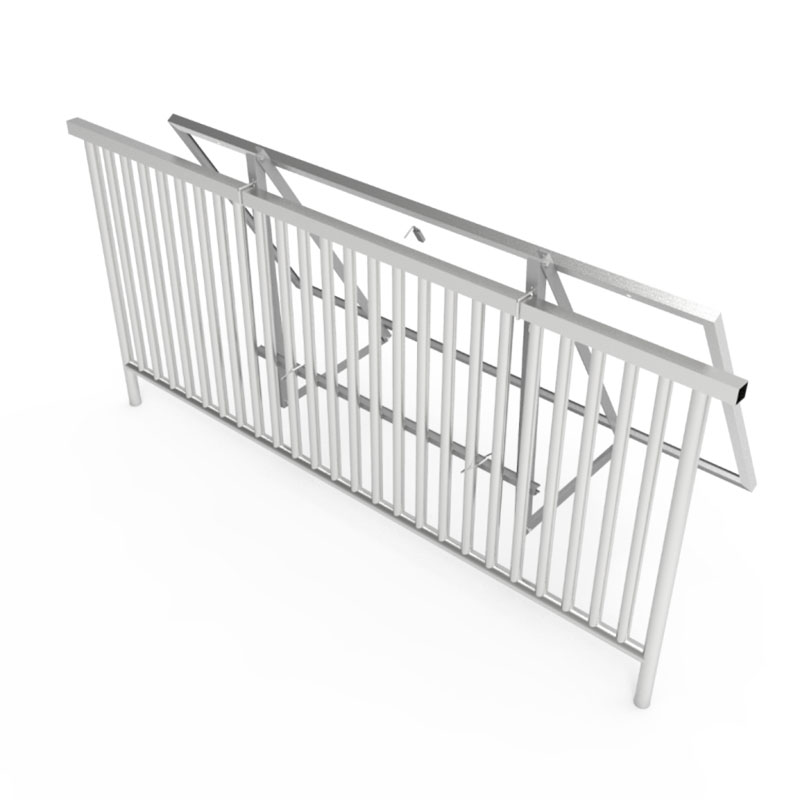
Table of Contents
Article Outline
- Introduction to balcony solar mounting
- Definition and components
- Urban application relevance
- Practical installation guidance
- Comparative technical guidance
- FAQ addressing common user concerns
- Brand perspective and engagement
What Is a Solar Balcony Mounting System?
A solar balcony mounting system is a specialized photovoltaic support structure designed for residential and small commercial solar installations on balcony railings, adjacent walls, or low-rise exterior surfaces. These systems enable PV modules to be fixed securely without the need for rooftop penetration or extensive structural modification. Such solutions are increasingly popular in urban environments where roof access may be restricted, and typical rooftop PV installations are impractical.:contentReference[oaicite:0]{index=0}
- Applicable for apartments, townhomes, condos and urban residences
- Supports small to medium PV panel arrays
- Compatible with micro-inverters or plug-and-play PV systems
- Adaptable to various mount angles for optimization of sun exposure
Key Components and How It Works
A balcony mounting system generally includes several integral parts, each playing a specific role in creating a safe and functional PV installation.:contentReference[oaicite:1]{index=1}
| Component | Description |
|---|---|
| Bracket / Mount Frame | Structural support that attaches to balcony railings or walls. |
| Solar Panels | PV modules that convert sunlight into electricity. |
| Micro-inverter or Optimizer | Device that converts DC power to AC or optimizes panel output. |
| Cables & Connectors | Electrical links between panels and grid or load. |
| Fasteners & Hardware | Screws, bolts and clamps designed for outdoor corrosion resistance. |
Why It Matters for Urban Energy
Urban residents often lack rooftop access, making traditional PV installations costly and logistically complex. Solar balcony mounting systems provide a low-barrier entry point into renewable energy, allowing individuals to offset a portion of their grid electricity consumption directly where they live. European markets such as Germany have seen rapid adoption of balcony solar systems, with studies indicating widespread uptake and cost advantages for households.:contentReference[oaicite:2]{index=2}
- Lower initial investment compared with rooftop systems
- Minimal structural modification required
- Opportunity for energy cost savings
- Encourages sustainable living practices
Installation Considerations
Before installing a balcony mounting system, several factors should be evaluated to ensure safety and performance. These include structural integrity of railings or walls, local building and electrical codes, solar access (sunlight availability), and aesthetics. Professional consultation is recommended to align with regional guidelines and electrical safety requirements.:contentReference[oaicite:3]{index=3}
- Assess mounting surface stability
- Ensure PV panel tilt angle maximizes solar exposure
- Verify wiring routes and micro-inverter placement
- Consult local utility or electrical codes
System Comparison and Selection Guide
Different balcony mounting systems may vary by material, weight capacity, adjustability and compatibility with PV modules. Common material choices include aluminum alloy and coated steel for corrosion resistance and structural strength. Selection should be based on specific installation scenarios, panel types, and local weather conditions.:contentReference[oaicite:4]{index=4}
- Adjustable Systems – Allow angle changes for seasonal optimization.
- Fixed Bracket Systems – Simpler and often more affordable.
- Wall Mounted Kits – Ideal where railing access is limited.
- Ground-Level Systems – Flexible for low-rise patios or terraces.
Frequently Asked Questions
Q: Can a solar balcony mounting system work in shaded urban environments?
A: While any PV system performs best with full sun, careful placement and panel selection can mitigate shading losses. Orientation toward well-lit facades or early morning/afternoon exposure will improve generation outcomes.
Q: Is a professional electrician required for installation?
A: Safety codes vary by region. It is recommended to consult a certified electrician or local authority to ensure compliance with electrical and grid connection standards.
Q: How much energy can a balcony system realistically produce?
A: Output depends on panel wattage, system size and solar exposure. A typical 400–800W array installed on a balcony may generate several hundred kWh per year, potentially reducing household grid electricity use by a noticeable percentage.
Q: What materials ensure long-term durability?
A: Materials such as aluminum alloy and corrosion-resistant steel, often with protective coatings, help ensure that the structural components withstand outdoor conditions over many years.
Conclusion
Solar balcony mounting systems provide an accessible pathway for urban residents to participate in renewable energy generation without the complexity of rooftop systems. By understanding system components, installation best practices and common considerations, users can make informed decisions about adopting these systems for their homes or rental properties. CYC Energy offers a range of solar balcony mounting solutions engineered for reliability, adaptability and ease of installation.