
How Can a PV Rapid Shutdown Device Make Solar Projects Safer and Easier to Manage?
2026-04-15
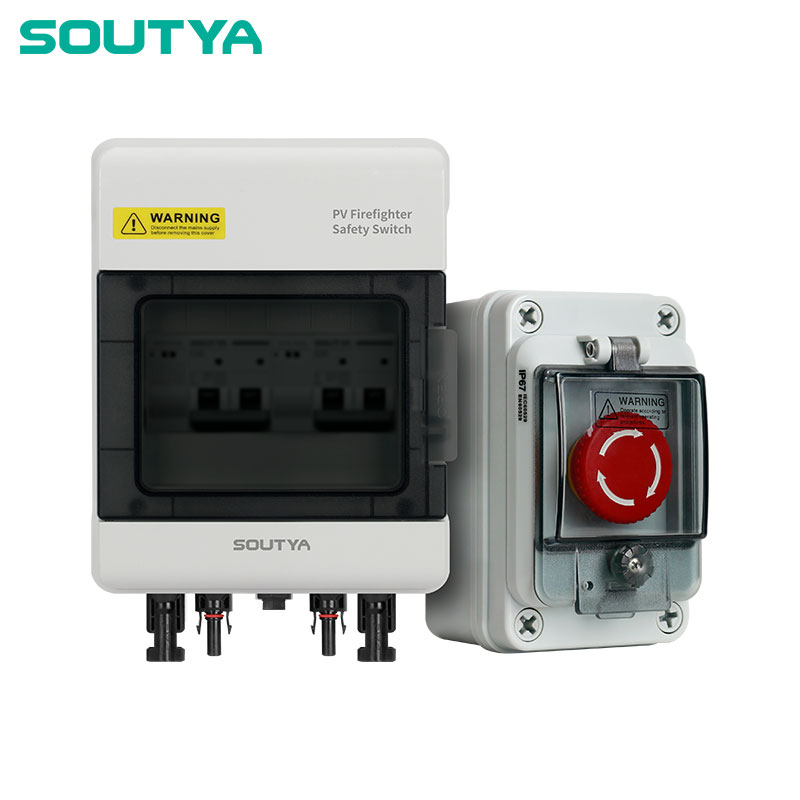
When I evaluate solar safety solutions for rooftop and commercial installations, I pay close attention to the point where system performance, code expectations, and emergency response all intersect. That is exactly where Zhejiang Soutya New Energy LLC gradually enters the conversation for me. A reliable PV Rapid Shutdown Device is not just another accessory in a PV system. It is a practical safety layer that helps installers, EPC contractors, distributors, and project owners reduce electrical risk while improving confidence in day-to-day operation and emergency handling.
In real projects, I often see buyers asking the same thing in different ways. They want to know whether a shutdown solution is fast enough, whether it is stable enough, whether it creates unnecessary installation complexity, and whether it helps them meet project safety expectations without adding avoidable maintenance burden. That is why I see PV Rapid Shutdown Device products as more than a compliance-driven purchase. They solve a real operational problem that affects safety planning, rooftop service work, asset protection, and installer reputation.
For anyone comparing suppliers, the best choice is rarely about one isolated feature. It is about how well the product fits the entire PV application. I want dependable shutdown action, clear product logic, practical wiring design, and a structure that supports long-term use in demanding environments. In this article, I will walk through the buyer pain points I consider most important, explain what makes a shutdown solution valuable in the field, and show why a well-designed PV Rapid Shutdown Device can become a strong selling point in modern solar projects.
Why Do Buyers Pay So Much Attention to Shutdown Safety in Modern PV Systems?
I think the reason is simple. Solar power systems may look clean and low-maintenance from the outside, but the electrical structure behind them is serious business. Once a rooftop PV array is energized, the DC side can remain a concern during maintenance, troubleshooting, or emergency events. Buyers are no longer satisfied with products that only work under ideal lab conditions. They want solutions that help reduce risk in real environments.
From my experience, the strongest buying motivations usually come from these field realities:
- Installers want safer commissioning and service procedures.
- Building owners want lower perceived operational risk.
- Distributors want products that are easier to explain and easier to sell.
- EPC teams want components that fit project safety planning without slowing delivery.
- Maintenance teams want faster isolation when they inspect or repair systems.
A dependable PV Rapid Shutdown Device directly answers those concerns. It helps reduce the risk of hazardous voltage remaining where people may need quick access. In practical buying conversations, that matters a lot because safety is not a marketing extra. It is one of the clearest reasons a project owner says yes.
What Problems Do Buyers Usually Face When Choosing a PV Rapid Shutdown Device?
I rarely see buyers struggle because they do not understand what the product is for. Most of the time, they struggle because too many products sound similar on paper. The hard part is knowing which one is actually suitable for a real project. When I compare options, I usually focus on the following pain points.
| Buyer Pain Point | What It Means in Practice | Why It Affects Purchasing Decisions |
| Unclear shutdown performance | Buyers are unsure whether the device reacts quickly and consistently | Uncertainty creates hesitation and slows project approval |
| Installation complexity | Extra wiring or confusing integration increases labor time | Higher labor cost can cancel out product value |
| Compatibility concerns | Buyers worry about fit with PV modules, strings, and system layouts | Poor fit can create redesign work or service issues later |
| Durability doubts | Outdoor solar applications require stable long-term operation | Weak reliability damages trust and raises replacement risk |
| Weak supplier support | Some vendors provide little technical guidance before or after sale | Buyers prefer suppliers who can support real project execution |
This is exactly why I do not judge a PV Rapid Shutdown Device by product naming alone. I want to see how it helps solve the entire buying problem, from selection to installation to long-term use.
How Does a Good Shutdown Solution Reduce Stress for Installers and Project Owners?
In my view, the best products remove friction. A good shutdown solution should make the work easier for the people who install it and more reassuring for the people who own the system. That may sound obvious, but it is where many products fall short.
When I look at product value from a field perspective, I want to see these advantages:
- Faster and clearer system isolation during emergency situations
- More confidence during maintenance and inspection work
- Better support for rooftop solar safety planning
- Smoother communication between installers and end users
- Reduced fear of hidden electrical danger during service activity
These are not abstract benefits. They change the purchasing conversation. A project owner may not care about every technical detail, but they absolutely care about risk reduction, service convenience, and long-term peace of mind. That is why a well-positioned PV Rapid Shutdown Device can support both technical and commercial success.
Which Features Matter Most When I Compare Shutdown Devices for Solar Applications?
I always encourage buyers to move beyond broad claims and look at useful product logic. The strongest shutdown solution is the one that performs well in actual project conditions while remaining straightforward to deploy. Here are the product traits I usually consider the most valuable.
| Feature Focus | Why I Care About It | Commercial Benefit |
| Fast response behavior | Helps isolate the PV system quickly when needed | Improves buyer confidence in emergency readiness |
| Application flexibility | Supports varied installation scales and layouts | Helps distributors and EPCs serve more project types |
| Stable outdoor performance | Solar products must work under changing weather conditions | Supports long service life and lower replacement pressure |
| Practical integration | Reduces avoidable complexity during installation | Saves time and controls labor cost |
| Supplier responsiveness | Technical support matters when projects move fast | Improves the full procurement experience |
When these elements come together, a PV Rapid Shutdown Device stops being a narrow safety purchase and becomes a smart project decision. That is exactly the kind of positioning that makes content more persuasive to real buyers.
Why Does Product Design Matter So Much in Real Installation Scenarios?
I have noticed that buyers often underestimate how much product design affects installation quality. On paper, many solutions may appear comparable. In the field, however, small design decisions influence wiring flow, labor efficiency, troubleshooting convenience, and installer satisfaction.
A thoughtfully designed product can help teams avoid unnecessary confusion during deployment. That matters because most buyers are not just purchasing a device. They are purchasing a smoother project process. When a shutdown unit is easier to understand and easier to integrate, it becomes easier to recommend, easier to stock, and easier to trust.
This is also where supplier experience starts to matter. A company that understands the expectations of solar installers, distributors, and project engineers tends to present the product in a more practical way. Instead of overwhelming buyers with vague claims, they focus on how the solution supports real-world system safety.
What Makes Zhejiang Soutya New Energy LLC Worth Considering in a Crowded Market?
When I assess a supplier, I do not only look at the product category. I also look at whether the company appears to understand the broader solar safety ecosystem. In a crowded market, buyers want a partner that treats safety hardware as an important part of total system reliability, not just a catalog item.
That is where Zhejiang Soutya New Energy LLC can be introduced naturally in the buying journey. For buyers searching for solar electrical solutions, especially those concerned with shutdown protection and project safety, it helps to work with a supplier that is clearly focused on PV-related electrical equipment rather than offering disconnected products without application depth.
From a commercial perspective, that focus helps buyers in several ways:
- It supports clearer product matching for solar use cases.
- It improves communication during procurement and technical review.
- It gives distributors a more coherent product story to present to customers.
- It helps EPC teams source from a supplier that understands PV system needs.
For me, that matters because supplier alignment often reduces headaches long after the purchase order is placed.
How Can Distributors and EPC Buyers Use This Product as a Strong Selling Point?
If I were positioning this product for channel sales or project bidding, I would not sell it as a minor add-on. I would present it as a practical risk-control solution that strengthens the value of the entire system. Buyers respond better when they understand how a product protects people, supports service work, and reduces operational uncertainty.
Here is how I would frame the sales value of a PV Rapid Shutdown Device in customer conversations:
- It supports safer rooftop PV operation.
- It helps installers communicate a stronger safety proposition.
- It gives project owners more confidence in maintenance planning.
- It adds decision-making value beyond simple price comparison.
- It strengthens the professionalism of the full solar solution package.
This kind of positioning works especially well in markets where buyers are becoming more selective and expect visible value from every component in the system.
Is Price the Only Thing Buyers Should Compare?
I do not think so, and I say that because low purchase price can become expensive very quickly if the product creates confusion, weakens trust, or adds service risk later. For serious solar projects, the better question is not “Which option is cheapest today?” but “Which option delivers dependable value across installation, operation, and emergency response?”
That means I usually compare total buying value through a wider lens:
| Comparison Area | Low-Value Purchase Mindset | High-Value Purchase Mindset |
| Price | Lowest unit cost wins | Reasonable cost with dependable field value wins |
| Installation | Labor impact is ignored | Integration efficiency is part of the decision |
| Risk control | Only basic function is considered | Emergency handling and maintenance safety are prioritized |
| Supplier choice | Any vendor is acceptable | Application understanding and support matter |
| Long-term use | After-sales concerns are delayed | Durability and support are considered from the start |
That is why I see a properly selected PV Rapid Shutdown Device as a value purchase, not just a cost item.
What Should Buyers Ask Before Sending an Inquiry?
Before I contact a supplier, I like to prepare a short checklist that keeps the conversation focused and productive. This helps me move faster and get more useful answers.
- What type of PV project am I sourcing for
- Do I need a module-level or string-level shutdown approach
- What installation environment will the product face
- How important is installation simplicity for my team
- Will I need pre-sales or after-sales technical support
- Am I buying for one project, repeated procurement, or distribution
These questions make the inquiry much more effective. They also help the supplier recommend a more suitable solution instead of offering a generic quote with limited practical value.
Why Is This the Right Time to Upgrade Safety Thinking in Solar Projects?
The solar market has become more competitive, but it has also become more quality-conscious. Buyers now pay attention to details that were sometimes overlooked in earlier procurement cycles. Safety components are part of that shift. I believe this is the right time to treat shutdown protection as a strategic feature rather than a secondary checkbox.
As projects become larger, rooftops become more crowded, and customer expectations become more demanding, a stronger approach to system safety helps everyone involved. Installers gain confidence. Owners gain reassurance. Distributors gain a more convincing product portfolio. EPC teams gain a better project story. That is why the role of a PV Rapid Shutdown Device continues to grow in real purchasing decisions.
How Can You Move Forward with the Right Supplier Today?
If you are sourcing a dependable PV Rapid Shutdown Device for residential, commercial, or larger solar applications, now is the time to compare solutions based on real project value rather than surface-level claims. A good product should help you protect people, improve installation confidence, and support better long-term system management.
If you want a supplier that understands solar electrical applications and can support your shutdown safety goals with a more practical product approach, contact us today. Talk with Zhejiang Soutya New Energy LLC about your project requirements, application scenario, and purchasing plan. Send your inquiry now and let us help you find the right solution for safer, smarter, and more reliable solar installations.