

How Can a Fuel Tank Kerosene Heater Improve Reliable Heating Performance in Industrial and Commercial Applications?
2026-06-10
Fuel tank kerosene heaters are widely used in industrial, commercial, agricultural, and temporary heating environments where dependable heat output is essential. Whether operating on construction sites, in warehouses, workshops, greenhouses, factories, or emergency heating scenarios, these heaters provide a practical solution for maintaining comfortable temperatures even in demanding conditions.
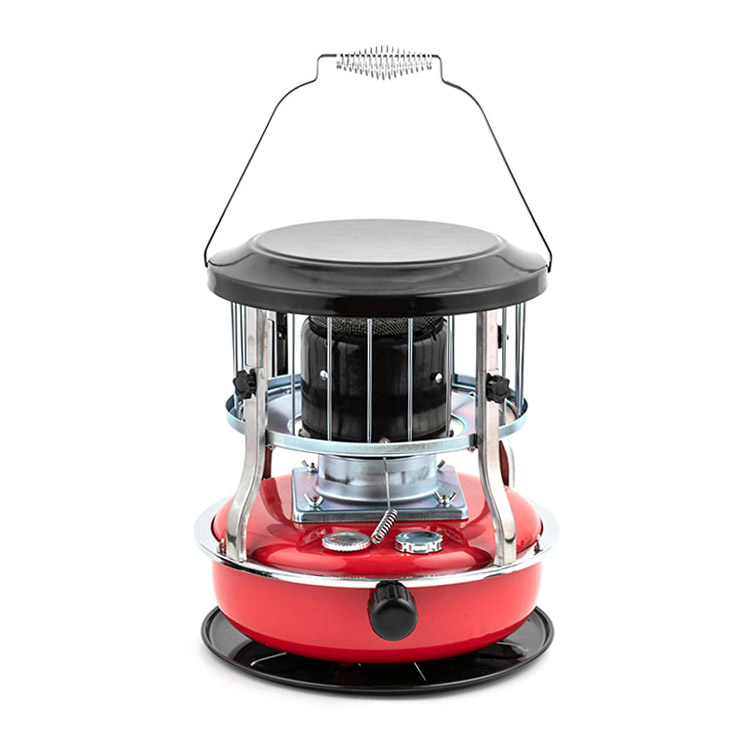
One of the most important factors affecting heater performance is the fuel tank system itself. A well-designed fuel tank kerosene heater delivers stable fuel supply, efficient combustion, extended operating time, and enhanced safety. Understanding how these heaters work and what features matter most can help businesses choose the right equipment while reducing operational costs and maintenance requirements.
Article Summary
This article explores the key benefits, operating principles, selection criteria, maintenance requirements, and practical applications of fuel tank kerosene heaters. It also explains how modern heating solutions from ZOOZAA can help users achieve reliable and energy-efficient performance in challenging environments.
Table of Contents
- What Is a Fuel Tank Kerosene Heater?
- How Does a Fuel Tank Kerosene Heater Work?
- Why Are Fuel Tank Kerosene Heaters Popular?
- Common Applications
- Key Features to Look For
- Comparison with Other Heating Solutions
- Maintenance Best Practices
- How to Choose the Right Heater
- Why Choose ZOOZAA?
- FAQ
What Is a Fuel Tank Kerosene Heater?
A fuel tank kerosene heater is a heating device that stores kerosene within an integrated fuel tank and converts the fuel into thermal energy through controlled combustion. Unlike systems requiring external fuel connections, integrated fuel tank designs offer greater mobility and operational flexibility.
These heaters are commonly designed for:
- Industrial facilities
- Warehouses and logistics centers
- Agricultural buildings
- Construction sites
- Temporary workspaces
- Emergency heating applications
- Outdoor event facilities
The integrated fuel tank allows operators to move equipment easily while maintaining continuous heating performance for extended periods.
How Does a Fuel Tank Kerosene Heater Work?
The operation of a fuel tank kerosene heater is based on a straightforward yet highly effective heating process.
- Kerosene is stored inside the fuel tank.
- The fuel delivery system transfers kerosene to the burner.
- The ignition mechanism initiates combustion.
- The combustion chamber generates thermal energy.
- A fan or natural convection distributes warm air throughout the space.
- Safety controls continuously monitor operation.
Modern systems incorporate advanced combustion technologies that maximize heat generation while minimizing fuel waste. This allows users to achieve stable temperature control and improved fuel efficiency.
The quality of the fuel tank design directly impacts:
- Burn duration
- Fuel consumption
- Operational safety
- Maintenance frequency
- Heating consistency
Why Are Fuel Tank Kerosene Heaters Popular?
Many industries continue to rely on fuel tank kerosene heaters because they offer several significant advantages compared with alternative heating technologies.
High Heating Efficiency
Kerosene possesses a high energy density, allowing heaters to generate substantial heat output from relatively small amounts of fuel. This makes them highly effective in large or poorly insulated environments.
Excellent Mobility
Because fuel is stored directly within the heater, users can transport the unit between locations without requiring complex infrastructure.
Fast Heat Generation
Fuel tank kerosene heaters produce heat quickly after ignition, helping workers maintain productivity during cold weather conditions.
Reliable Operation
Many job sites and industrial facilities require dependable heating regardless of external conditions. Kerosene heaters continue operating effectively in environments where electric heating may not be practical.
Extended Runtime
Larger fuel tanks provide longer operation between refueling cycles, reducing interruptions and labor requirements.
Common Applications
Fuel tank kerosene heaters support a wide range of industries and working environments.
| Industry | Heating Purpose |
|---|---|
| Construction | Worker comfort and material protection |
| Agriculture | Livestock housing and greenhouse heating |
| Manufacturing | Production area temperature control |
| Warehousing | Inventory and employee protection |
| Events | Temporary venue heating |
| Emergency Response | Backup heating during power interruptions |
These applications require durable equipment capable of delivering consistent thermal performance under varying operating conditions.
Key Features to Look For
When selecting a fuel tank kerosene heater, evaluating key technical features can significantly improve long-term satisfaction and operational efficiency.
- Large-capacity fuel tank
- High-efficiency burner system
- Durable metal construction
- Overheat protection
- Flame failure protection
- Stable fuel delivery mechanism
- Portable design
- Easy maintenance access
- Low fuel consumption
- Long operating lifespan
Investing in quality components often results in reduced downtime and lower maintenance costs throughout the product lifecycle.
Comparison with Other Heating Solutions
| Feature | Fuel Tank Kerosene Heater | Electric Heater | Gas Heater |
|---|---|---|---|
| Portability | Excellent | Limited by power source | Moderate |
| Heat Output | High | Moderate | High |
| Startup Speed | Fast | Fast | Fast |
| Operation During Power Outages | Possible in many models | No | Often possible |
| Mobility Between Sites | Excellent | Moderate | Moderate |
| Large Space Heating | Very Effective | Less Efficient | Effective |
For large-scale temporary heating requirements, fuel tank kerosene heaters frequently offer the best balance between mobility, efficiency, and heating capacity.
Maintenance Best Practices
Proper maintenance helps ensure safe operation and maximizes service life.
- Inspect the fuel tank regularly for contamination.
- Use clean, high-quality kerosene fuel.
- Clean burners according to manufacturer recommendations.
- Check fuel lines for wear or leakage.
- Inspect ignition components periodically.
- Remove dust accumulation from air intake areas.
- Store equipment in dry environments when not in use.
- Perform scheduled safety inspections.
Routine maintenance not only improves performance but also helps prevent unexpected operational interruptions.
How to Choose the Right Fuel Tank Kerosene Heater?
Before purchasing a heater, decision-makers should evaluate several critical factors.
| Selection Factor | Why It Matters |
|---|---|
| Heating Capacity | Determines coverage area |
| Tank Size | Affects operating duration |
| Fuel Efficiency | Influences operating costs |
| Safety Features | Protects users and facilities |
| Portability | Improves deployment flexibility |
| Durability | Supports long-term use |
Organizations should match heater specifications to actual operating conditions rather than selecting equipment based solely on maximum output ratings.
Why Choose ZOOZAA Fuel Tank Kerosene Heaters?
ZOOZAA focuses on delivering dependable heating solutions designed to meet the demands of industrial, commercial, and professional users. By combining durable construction, efficient fuel utilization, and reliable performance, ZOOZAA products help customers maintain productivity even in challenging environments.
Key advantages include:
- Reliable heating performance
- Robust fuel tank construction
- Long operating duration
- Efficient fuel consumption
- User-friendly operation
- Professional manufacturing standards
- Suitable for a wide range of industrial applications
Whether you need heating support for a construction project, warehouse, agricultural facility, or emergency application, ZOOZAA offers practical solutions designed for long-term value and dependable operation.
Frequently Asked Questions
Q1: How long can a fuel tank kerosene heater operate on a full tank?
Operating time depends on tank capacity and heat output settings. Larger tanks can often provide many hours of continuous heating before refueling becomes necessary.
Q2: Are fuel tank kerosene heaters suitable for large industrial spaces?
Yes. Many industrial-grade models are specifically designed to deliver high heat output for warehouses, factories, workshops, and construction sites.
Q3: What type of fuel should be used?
Clean, high-quality kerosene fuel is recommended to ensure efficient combustion and reduce maintenance requirements.
Q4: How often should maintenance be performed?
Regular inspections and periodic cleaning should be performed according to operating frequency and manufacturer guidelines.
Q5: What safety features are important?
Look for flame monitoring systems, overheat protection, stable fuel delivery mechanisms, and durable fuel tank construction.
Conclusion
A high-quality fuel tank kerosene heater provides dependable heating, operational flexibility, and excellent efficiency across a wide range of industrial and commercial environments. By selecting the right heater design, maintaining equipment properly, and focusing on essential safety features, businesses can improve comfort, productivity, and operational continuity.
If you are looking for a reliable fuel tank kerosene heater solution that combines durability, efficiency, and professional performance, ZOOZAA is ready to help. Contact us today to discuss your project requirements, request product information, and discover how our heating solutions can support your business goals.