

Article Summary: A Diesel Portable Compressor provides reliable compressed air support for industries that require flexible power solutions away from fixed air systems. From construction sites and mining operations to pipeline maintenance and industrial projects, choosing the right portable compressor can directly influence productivity, operating costs, and equipment reliability. This guide explains how diesel portable compressors work, what factors buyers should consider, common application challenges, and how to select a suitable solution for demanding working environments.
Understanding Diesel Portable Compressors
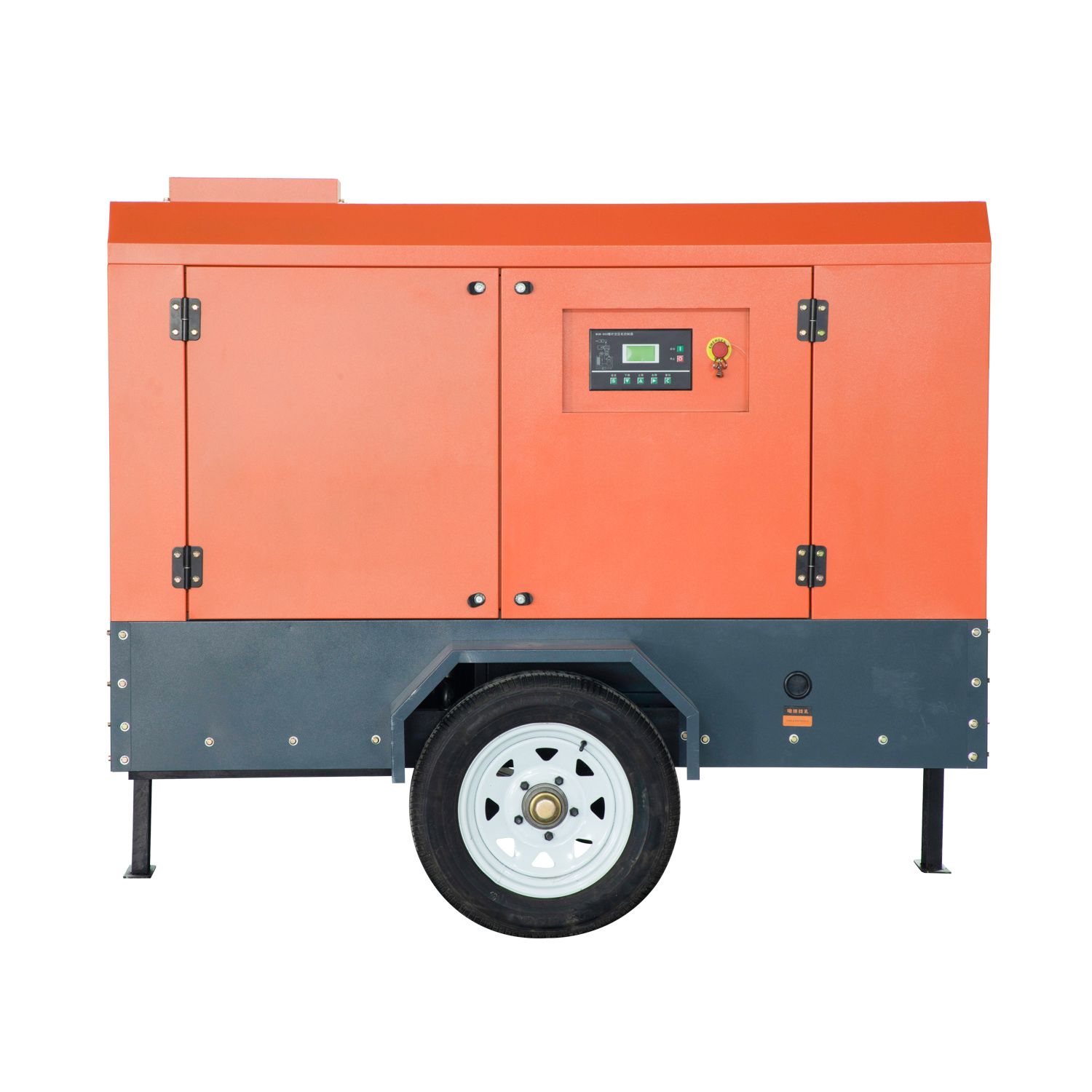
A Diesel Portable Compressor is designed to deliver compressed air in locations where electrical power sources may be unavailable or unreliable. Unlike stationary compressors that depend on fixed infrastructure, portable diesel-powered units combine mobility with independent power generation.
For many industries, compressed air is an essential utility. Equipment such as pneumatic tools, drilling machines, sandblasting systems, and maintenance equipment often require a stable air supply. When operations take place outdoors or in remote areas, transporting compressed air from a central facility is often impractical.
Companies such as Geso Systems provide solutions designed around the practical needs of industrial users, helping customers improve operational flexibility and equipment availability.
The value of a portable compressor is not only measured by air output. Buyers also need to evaluate fuel efficiency, durability, maintenance requirements, transportation convenience, and suitability for specific working conditions.
How Does a Diesel Portable Compressor Work?
A diesel portable compressor converts energy from a diesel engine into compressed air through a compression system. The engine provides mechanical power, which drives the compressor element to compress atmospheric air and deliver it at the required pressure.
Main Components of a Diesel Portable Compressor
- Diesel Engine: Provides independent power without requiring an external electrical supply.
- Compressor Element: Compresses incoming air and produces the required airflow.
- Air Receiver System: Helps manage compressed air storage and delivery.
- Control System: Allows operators to monitor pressure, temperature, and operating conditions.
- Cooling System: Maintains suitable operating temperatures during continuous operation.
The diesel engine makes these compressors particularly valuable for outdoor environments. However, selecting the correct model requires understanding the required pressure level, airflow demand, operating hours, and site conditions.
Key Advantages for Field Applications
Industrial users often face challenges such as limited infrastructure, changing job locations, and unpredictable working conditions. A properly selected diesel portable compressor can address many of these difficulties.
| Advantage | How It Helps Users |
|---|---|
| Independent Operation | Works without depending on electrical power networks, making it suitable for remote locations. |
| Easy Transportation | Portable structures allow equipment to move between different job sites. |
| Strong Adaptability | Supports outdoor applications with changing environmental conditions. |
| Continuous Air Supply | Provides reliable compressed air for demanding industrial tasks. |
| Reduced Installation Requirements | No permanent compressor room or complex infrastructure is needed. |
These benefits make diesel portable compressors popular in industries where flexibility and reliability are critical. However, performance depends heavily on correct sizing and proper operation.
Common Industrial Applications
Diesel portable compressors are used in many industries because they provide mobile compressed air solutions.
Construction Projects
Construction teams frequently use portable compressors for pneumatic breakers, drilling equipment, concrete tools, and other air-powered machinery. Mobility allows contractors to move equipment as projects progress.
Mining Operations
Mining environments often involve remote locations where electrical infrastructure is limited. Diesel compressors provide the air power required for drilling, ventilation support, and maintenance activities.
Pipeline and Energy Projects
Pipeline installation and repair work often takes place across large distances. Portable compressors help supply air for testing, cleaning, and specialized maintenance procedures.
Industrial Maintenance
Maintenance teams may need compressed air during shutdowns or emergency repairs. A portable unit provides a convenient backup solution when fixed systems are unavailable.
How to Select the Right Diesel Portable Compressor
Choosing the correct compressor requires more than checking the purchase price. A suitable machine should match the actual working environment and operational requirements.
1. Determine Air Demand
Calculate the required airflow based on the tools and equipment that will operate simultaneously. Selecting a compressor with insufficient capacity may reduce productivity and create unnecessary operating pressure.
2. Check Working Pressure Requirements
Different applications require different pressure levels. Confirm the pressure rating needed by connected equipment before making a purchase decision.
3. Consider Operating Environment
- Temperature range
- Dust and moisture exposure
- Altitude conditions
- Transportation requirements
- Daily operating hours
4. Evaluate Fuel Efficiency
Fuel consumption affects long-term operating costs. A compressor that delivers stable performance while using fuel efficiently can provide better overall value.
5. Review Maintenance Accessibility
Easy access to filters, engine components, and service points can reduce downtime and simplify routine maintenance.
Maintenance Practices for Long-Term Performance
Regular maintenance is essential for keeping diesel portable compressors reliable. Preventive care helps reduce unexpected shutdowns and extends equipment service life.
- Check engine oil levels regularly.
- Replace air filters according to operating conditions.
- Inspect cooling systems to prevent overheating.
- Check fuel quality and storage conditions.
- Monitor abnormal vibration or unusual operating sounds.
- Follow manufacturer maintenance schedules.
Maintenance requirements may increase in harsh environments with heavy dust, extreme temperatures, or continuous operation.
Common Buying Mistakes to Avoid
Choosing Only Based on Price
The lowest initial cost does not always provide the best long-term value. Fuel consumption, reliability, maintenance costs, and downtime should also be considered.
Ignoring Actual Air Requirements
An incorrectly sized compressor may struggle to operate connected equipment efficiently.
Overlooking Transportation Needs
Portable equipment should match the transportation methods and working conditions of the project.
Failing to Consider Service Support
Reliable technical assistance and available replacement parts can significantly improve equipment availability.
Frequently Asked Questions
What is a Diesel Portable Compressor used for?
It is used to provide compressed air in locations where fixed air systems or electrical power supplies are unavailable, including construction, mining, energy, and maintenance applications.
Why choose diesel power for a portable compressor?
Diesel engines provide independent operation and are suitable for remote outdoor environments where electrical connections may not be practical.
How do I choose the correct compressor size?
Select a model based on required airflow, working pressure, operating hours, connected equipment, and environmental conditions.
How often should a diesel portable compressor be maintained?
Maintenance frequency depends on usage intensity and operating conditions. Follow the manufacturer's recommendations and inspect equipment regularly.
Can a portable compressor work in harsh environments?
Many diesel portable compressors are designed for outdoor industrial applications, but the selected model should match temperature, dust, moisture, and workload conditions.
Choose Reliable Portable Air Solutions with Geso Systems
A Diesel Portable Compressor can provide the flexibility, mobility, and dependable air supply required for demanding industrial environments. Selecting the right model requires careful consideration of airflow, pressure, operating conditions, fuel efficiency, and maintenance requirements.
With professional experience and industrial solutions from Geso Systems ,customers can find equipment that matches their project requirements and improves operational efficiency.
If you are searching for a suitable compressor solution or need technical assistance for your application, please contact us to discuss your requirements and receive professional support.